Tech Essentials








For over a decade, the Skate franchise has been the ghost in the machine of sports gaming, its influence felt long after its last official release. The series is now being rebuilt from the ground up, aiming to recapture its physics-driven magic for a modern, always-online audience. This ambitious return isn’t just a sequel; it’s a fundamental re-imagining of what a skateboarding game can be.
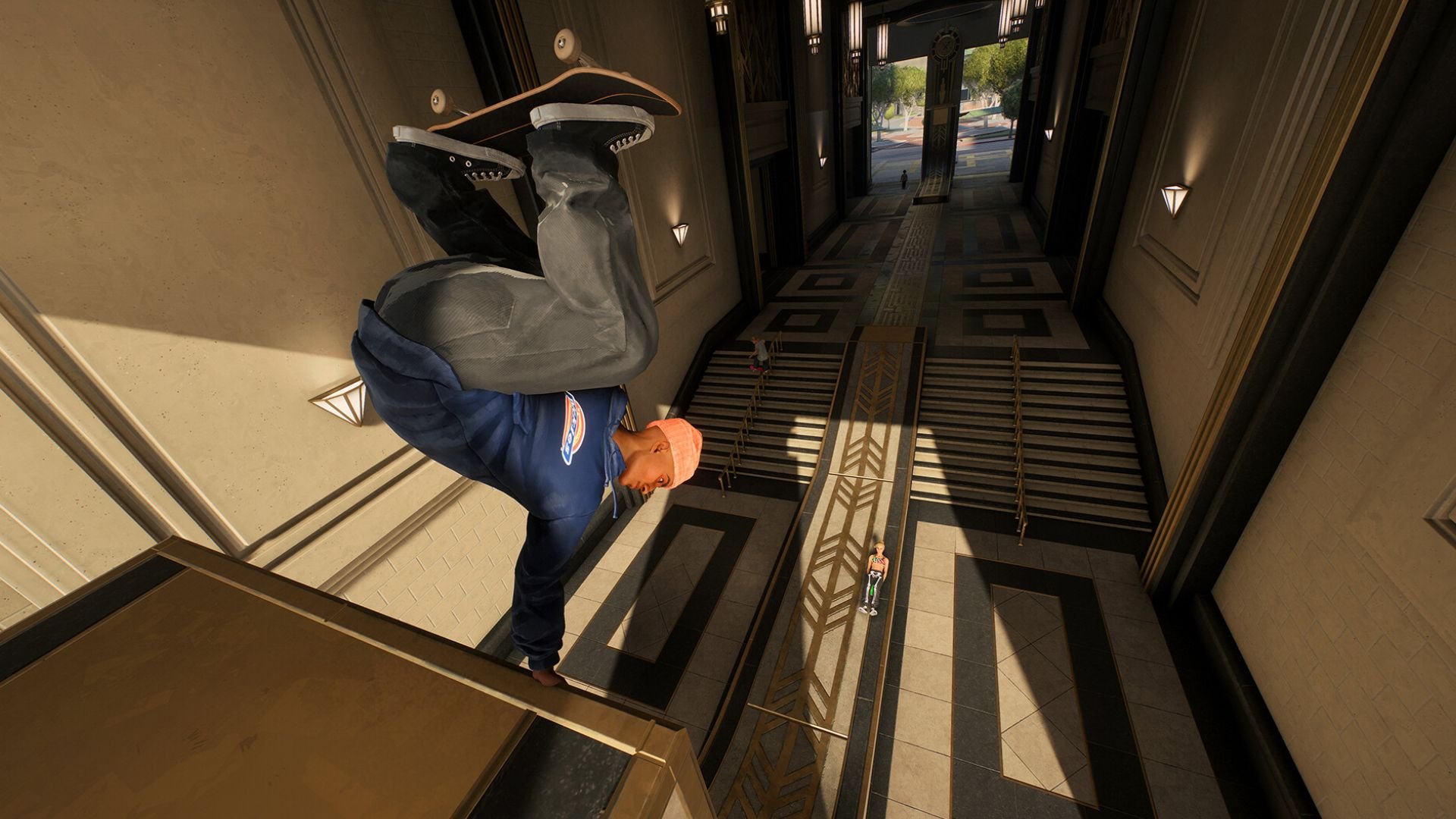
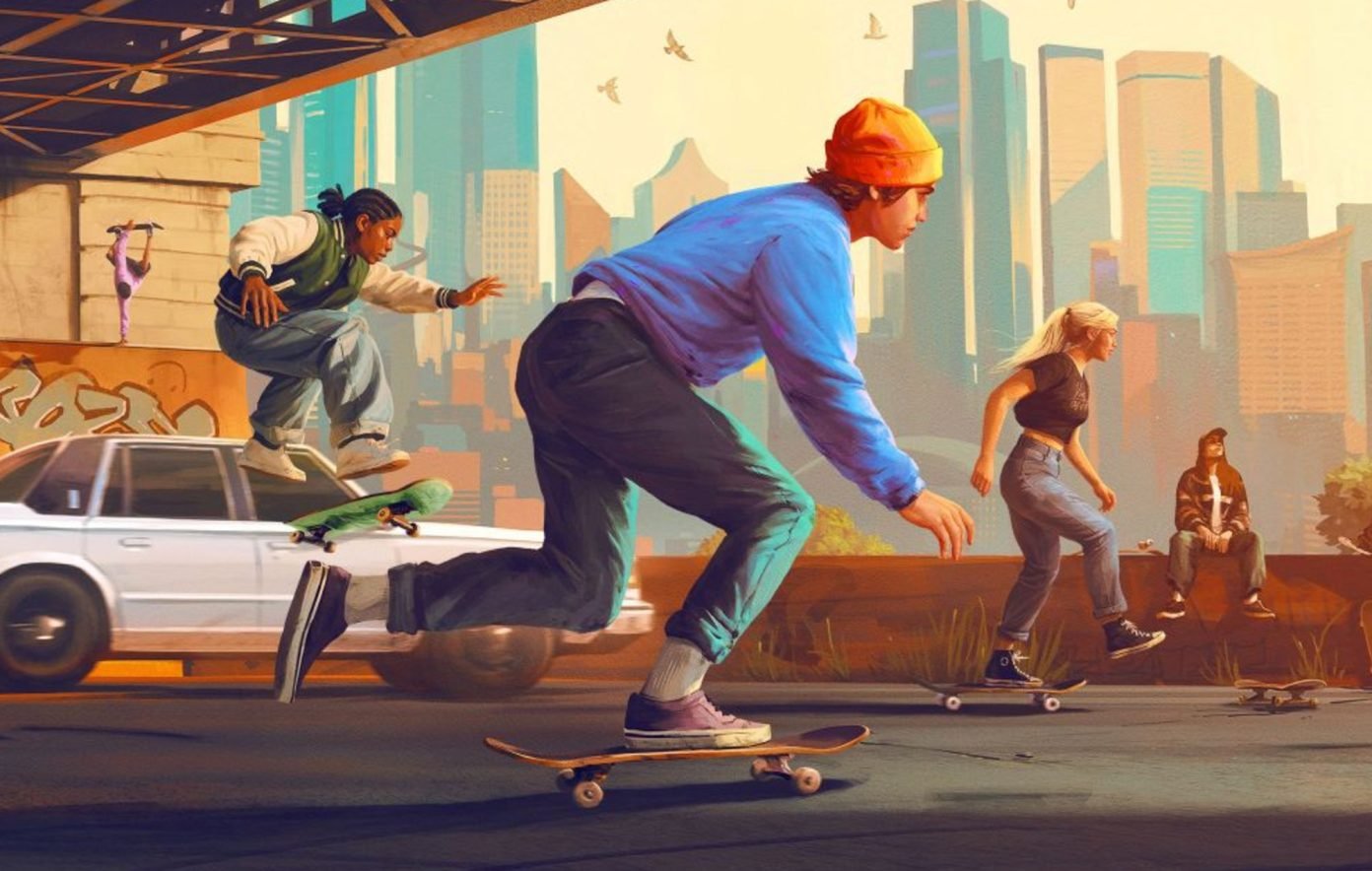
At the core of the experience is a revitalized physics engine and the beloved “Flickit” control system. Using dual analog sticks to manipulate your feet and board remains an unparalleled design choice, translating the intricate dance of skateboarding into a tactile and rewarding input method. The engine itself feels weighty and responsive; every push, ollie, and grind connects with the environment in a believable way. The city of San Vansterdam is not merely a static backdrop but a dynamic, vertical playground designed to be broken, manipulated, and sessioned with friends. This is where Skate truly differentiates itself from its more simulation-focused contemporaries, embracing a playful and expressive approach to level design.

The most significant architectural shift is the move to a free-to-play, live-service model. This positions Skate less as a game you finish and more as a platform you inhabit. The technical framework is built around social interaction, with seamless drop-in/drop-out multiplayer and “CollaboZones” where players can collectively build and modify skate spots in real-time. This focus on user-generated content and persistent social hubs is the game’s biggest gamble and its greatest potential strength. However, this online-only infrastructure comes with teething problems. Early builds show a platform still finding its feet, with network hiccups and performance inconsistencies that can temporarily shatter the illusion of a fluid skating paradise.
While the core skating feels fantastic, some of the newer systems lack the same level of polish. Traversal mechanics outside of the board, like climbing and mantling, feel less refined and can occasionally interrupt the flow state that the game works so hard to create. The entire package is an exercise in delayed gratification. The foundation is incredibly strong, promising a future filled with community-driven creativity and endless content. Yet, its success hinges entirely on developer Full Circle’s ability to support the platform with fair monetization and a steady stream of updates that enrich, rather than restrict, the player experience.
Ultimately, Skate is a bold and necessary evolution for the franchise. It’s a beautifully designed physics sandbox built for a new generation of connected players. This is the perfect entry point for newcomers and a welcome, if different, homecoming for veterans who prioritize creative expression and community over a traditional, self-contained campaign. It’s for the player who sees a set of stairs not as an obstacle, but as an invitation to create.
Where to Buy:

Skate (Game) Quick Summary
Key Scores:
-
Value:
88% -
Design:
91% -
Performance:
85% -
Quality:
87% -
Popularity:
95%
Top Pros
- ✅ The refined Flickit control system feels incredibly intuitive.
- ✅ San Vansterdam offers a dense and creative urban playground.
- ✅ Collaborative building features empower robust player-created content.
- …
Key Cons
- ❌ The live-service model raises concerns about future monetization.
- ❌ Early builds exhibit frequent bugs and performance inconsistencies.
- ❌ New off-board traversal mechanics can feel clumsy and underdeveloped.