Tech Essentials









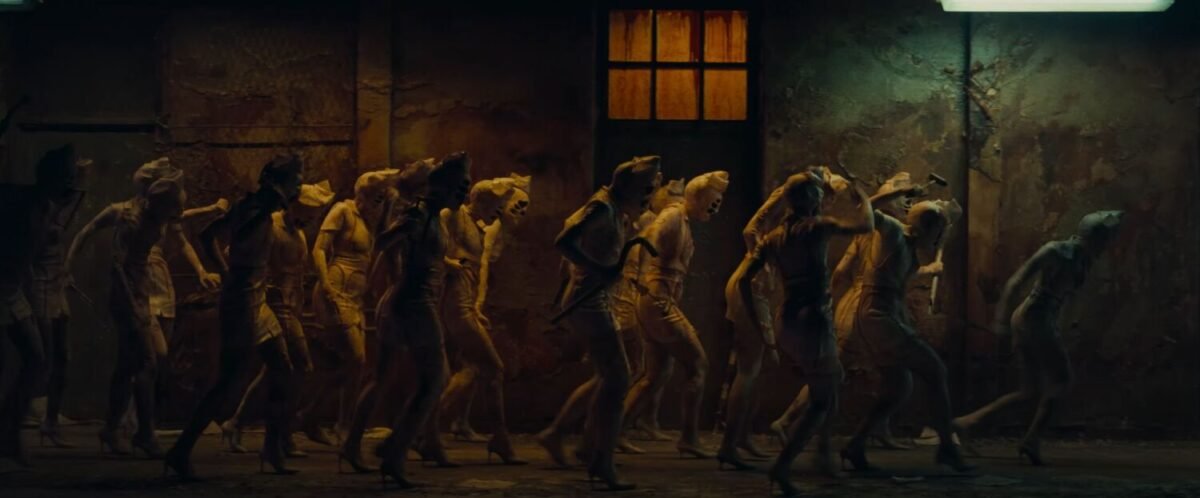
Few franchises carry the weight of Silent Hill, where psychological dread is as much a character as the fog-shrouded town itself. The long-awaited Return to Silent Hill attempts to resurrect this legend on modern hardware, leveraging Unreal Engine 5 to redefine digital horror. Its success hinges not just on nostalgia, but on a flawless technical execution that must haunt the player as effectively as its narrative.
Bloober Team’s technical showcase is immediately apparent, built upon the foundation of Unreal Engine 5. On a high-end PC, the game is a visual masterpiece, employing Lumen for breathtaking real-time global illumination that makes every flickering light and deep shadow feel physically present. The way volumetric fog interacts with light sources is arguably best-in-class, creating an oppressive atmosphere that feels both dynamic and terrifyingly dense. Coupled with Nanite, which allows for near-cinematic levels of environmental detail without typical performance trade-offs, the town of Silent Hill has never felt more real or menacing. Performance on PC is largely scalable, with DLSS 3 and FSR 2 support providing crucial headroom for maintaining high frame rates, though shader compilation stutter can occasionally mar the initial moments in a new area.

On consoles, the picture is more complex. The PlayStation 5 version offers two modes: a Quality mode targeting 4K at a shaky 30fps and a Performance mode aiming for 60fps at a dynamic 1440p. While the Quality mode delivers the most visually arresting experience, the framerate dips in particle-heavy scenes are noticeable and can detract from the tension. The Performance mode is the clear choice for fluid gameplay, but the drop in resolution and lighting fidelity is a tangible compromise. The game’s build quality is solid, with few game-breaking bugs, but the disparity between the PC and console experiences suggests optimization could have been more thorough across all platforms.
From a design perspective, the most impressive feature is the audio engine. Leveraging 3D audio technology like Tempest on PS5 and Dolby Atmos on other platforms, the soundscape is a character in itself. The distant shriek of a monster, the creak of floorboards from an unseen floor above, and the unsettling static of the radio are all positioned with terrifying precision. This isn’t just ambient noise; it’s a core system that directly impacts immersion and gameplay, forcing you to rely on your ears as much as your eyes. The redesigned user interface is clean and minimalist, keeping you grounded in the world, though some of the modernized combat and puzzle mechanics feel slightly at odds with the deliberately slow, methodical pace the atmosphere demands.
Ultimately, Return to Silent Hill presents a challenging value proposition. It is a technical tour de force that pushes modern hardware to its limits to achieve an unparalleled sense of place and dread. For series veterans and graphical purists with capable rigs, the experience is a stunning and worthy revival of a horror icon. However, the inconsistent console performance and demanding PC requirements mean that not everyone will see the game in its best light. It’s a premium, cutting-edge product aimed squarely at those who want to see what is technically possible in the horror genre today, for better and for worse.

Where to Buy:

Return to Silent Hill Quick Summary
Key Scores:
-
Value:
82% -
Design:
90% -
Performance:
85% -
Quality:
88% -
Popularity:
92%
Top Pros
- ✅ Stunning environmental design and lighting create unmatched atmosphere.
- ✅ Immersive 3D audio design is a masterclass in building tension.
- ✅ Art direction masterfully recaptures the series’ iconic dread.
- …
Key Cons
- ❌ Inconsistent framerate performance plagues console quality modes.
- ❌ Modernized combat mechanics can feel somewhat clunky and unresponsive.
- ❌ Occasional technical hitches like shader stutter can break immersion.
- …