Tech Essentials










Smart glasses have long promised a seamless blend of our digital and physical worlds, a promise often met with bulky, awkward designs. The Ray-Ban Meta Smart Glasses, however, feel like the first product to truly nail the “glasses” part of the equation, finally making the concept feel less like a tech demo and more like a desirable accessory.
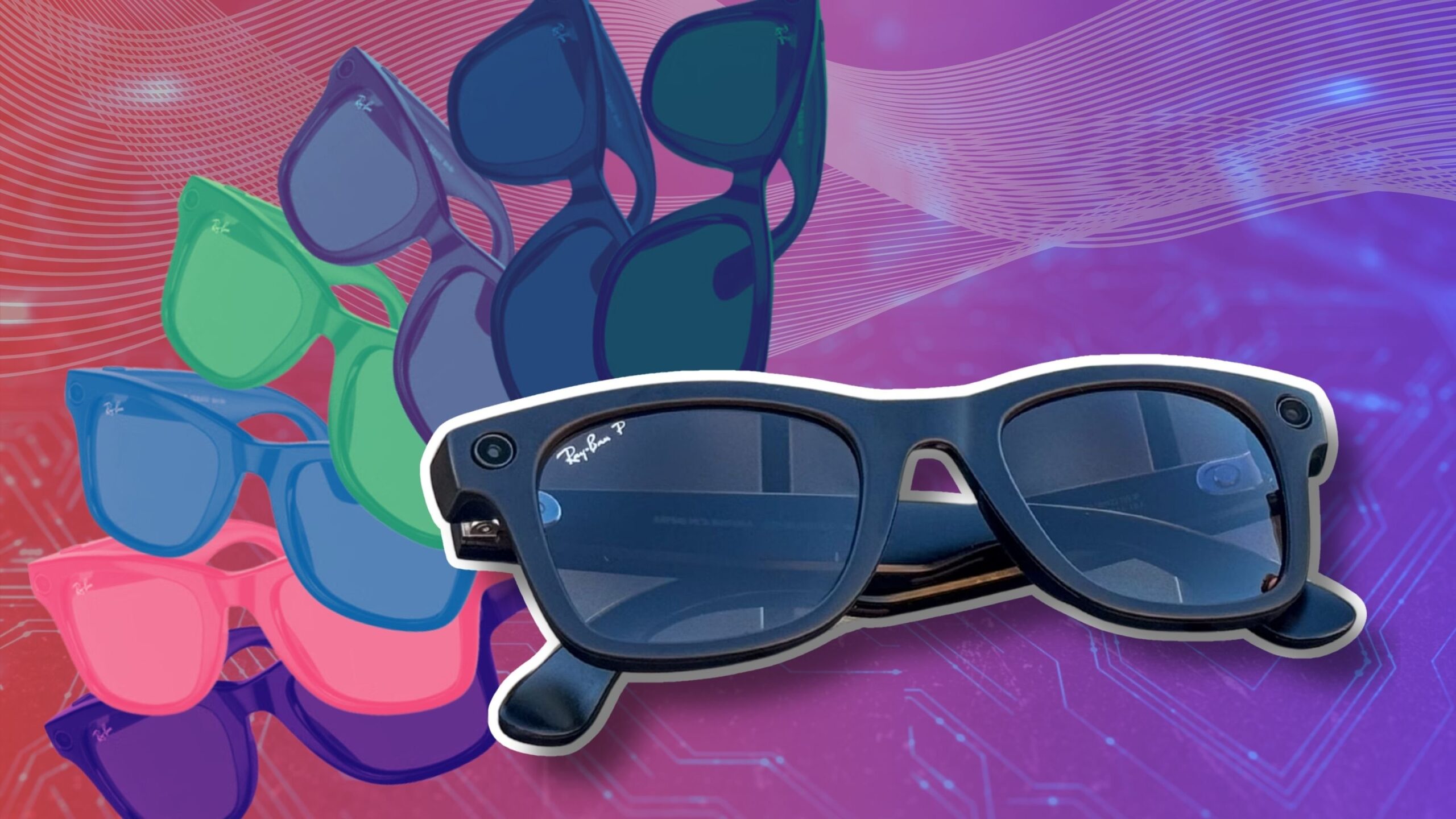
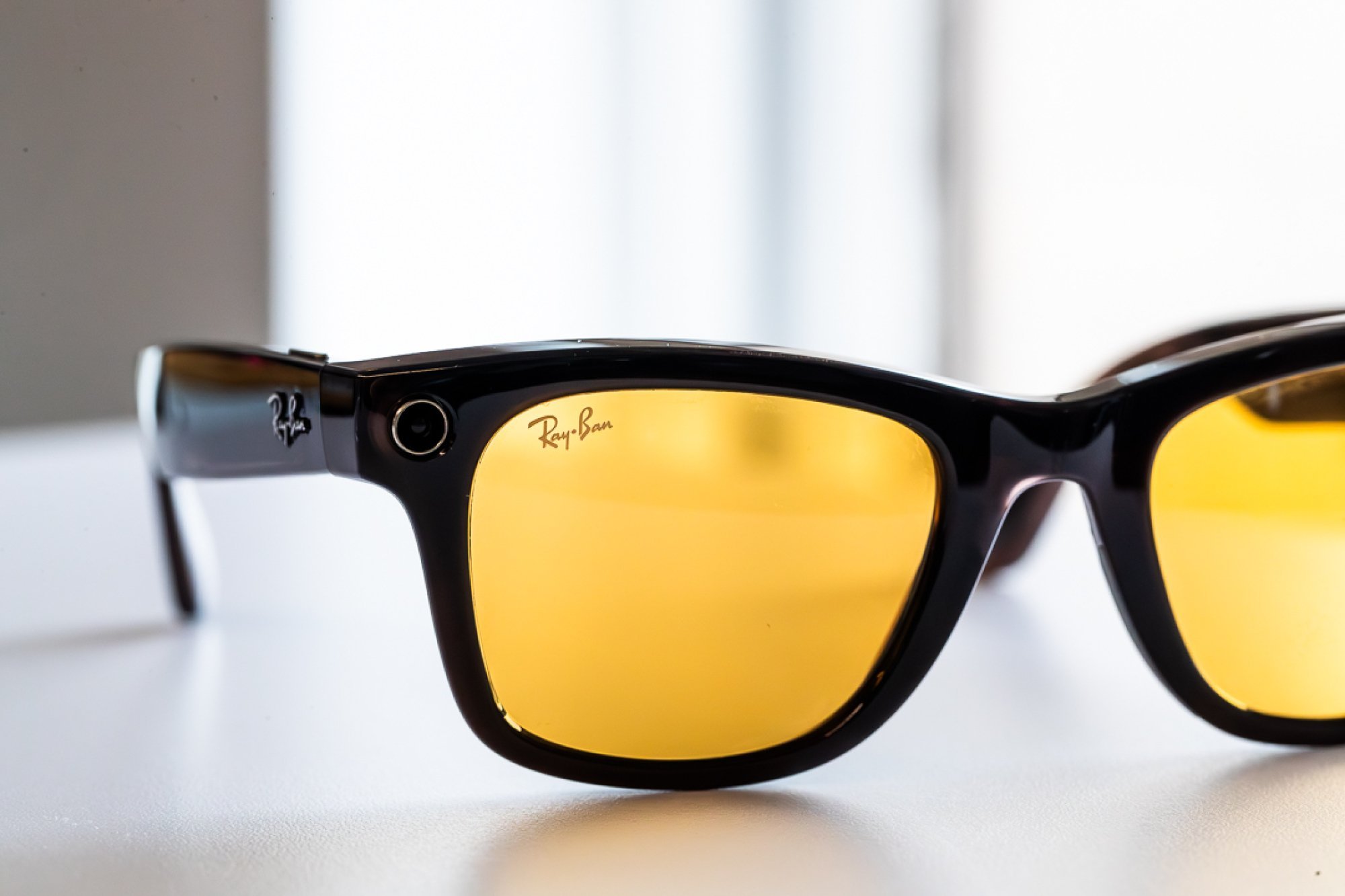
The most striking thing about the second-generation Ray-Ban Meta glasses is how unremarkable they look—and that’s their greatest design achievement. Available in the timeless Wayfarer and newer Headliner styles, they are nearly indistinguishable from a standard pair of high-end sunglasses. The arms are slightly thicker to accommodate the battery and Qualcomm Snapdragon AR1 Gen 1 processor, but the weight is balanced and they remain comfortable for all-day wear. The build quality is excellent, feeling every bit like the premium Ray-Bans you’d buy off the shelf. A tiny, front-facing LED pulses when recording to alert those around you, a much-needed and more obvious privacy feature than on the previous generation.

Audio is handled by open-ear speakers built into the arms, which have been significantly improved. They get louder and produce richer sound with better bass than their predecessors. While they won’t replace your dedicated earbuds for critical music listening, especially in noisy environments, they are fantastic for podcasts, audiobooks, and taking calls. The five-microphone array is the real star here, delivering exceptionally clear voice quality for phone calls and making the “Hey Meta” voice commands remarkably accurate, even with significant background noise.
The primary function, capturing content, is where these glasses truly shine. The new 12-megapixel ultrawide camera is a massive leap forward, capturing sharp, vibrant photos and 1080p video clips up to 60 seconds long. Being able to instantly capture a fleeting moment from your own point-of-view, all with a simple button press or voice command, is genuinely game-changing. For content creators, the ability to live stream directly to Instagram or Facebook offers a unique and immersive perspective that a phone or mounted action camera can’t easily replicate. All media syncs effortlessly to the Meta View app on your phone for easy editing and sharing.
Beyond a wearable camera, these glasses are a platform for Meta’s AI ambitions. The “Hey Meta” assistant is not just for basic commands; it’s a multimodal AI that can leverage the camera to see what you see. You can ask it to identify a plant, translate a menu, or suggest a caption for a photo you just took. While this functionality is still in beta and can sometimes be slow or inaccurate, it provides a compelling and futuristic glimpse into the potential of context-aware, wearable AI. Battery life is decent, providing about four to six hours of mixed-use, but the included charging case is essential. It provides up to eight additional charges and is a must-have for getting through a full day, though its size is a bit bulky for a pants pocket.

Ultimately, the Ray-Ban Meta Smart Glasses are the most refined and user-friendly smart glasses ever made. They aren’t an essential piece of technology, but they are an exceptionally well-executed accessory for a specific type of user. For the tech enthusiast eager to be on the cutting edge, the parent wanting to capture candid family moments, or the creator looking for a new tool, these glasses finally deliver on the core promise of the category in a stylish, functional package.
Where to Buy:
Ray-Ban Meta Smart Glasses Quick Summary
Key Scores:
-
Value:
70% -
Design:
92% -
Performance:
85% -
Quality:
88% -
Popularity:
75%
Top Pros
- ✅ The iconic Ray-Ban design looks stylish and feels comfortable.
- ✅ Open-ear audio provides surprisingly clear sound for calls and podcasts.
- ✅ The upgraded 12MP camera captures impressive hands-free photos and video.
- …
Key Cons
- ❌ All-day use requires carrying the somewhat bulky charging case.
- ❌ Audio quality is not ideal for music in loud environments.
- ❌ Core AI features are still in a beta phase and can be unreliable.