Tech Essentials







Losing your keys or wallet is a universal frustration, a small moment of panic that can derail your entire day. While Apple’s AirTag brought item tracking into the mainstream for iPhone users, its ecosystem has now opened up to third-party alternatives. The MiTag steps into this arena as a budget-friendly contender, promising the full power of the Find My network without the premium price tag.
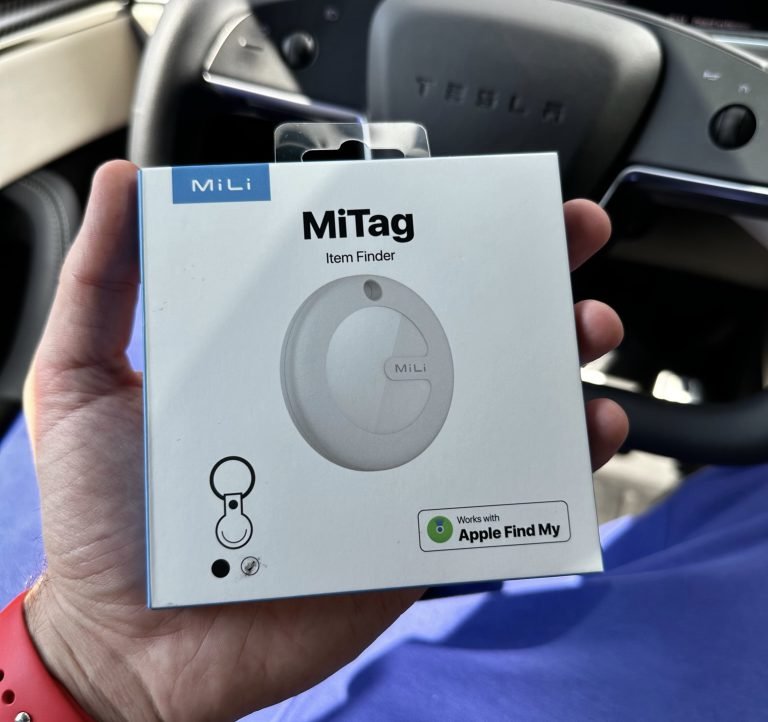
The MiTag presents a purely utilitarian design that prioritizes function over form. Encased in a simple, lightweight plastic shell, it feels less like a premium accessory and more like a practical tool. While it won’t win any design awards, its key advantage over the standard AirTag is immediately apparent: an integrated hole for attaching it directly to a keychain or lanyard. This simple addition eliminates the need for a separate, often costly, holder, making the MiTag a more complete and convenient package right out of the box. The build quality is adequate for its purpose; it’s sturdy enough to withstand the daily jostle of keys and bags, though it lacks the polished, dense feel of Apple’s own tracker.

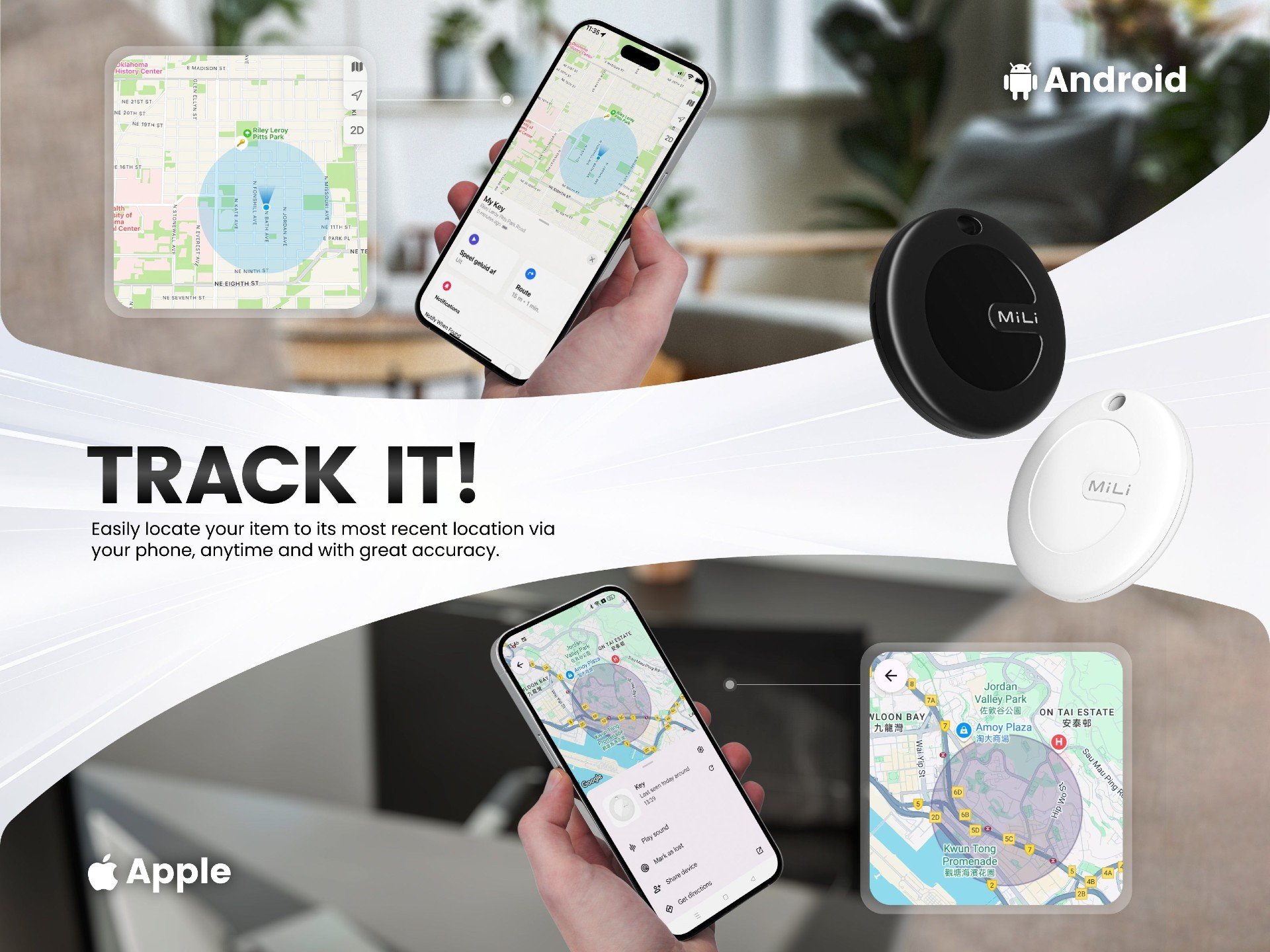
Setting up the MiTag is refreshingly simple and identical to adding any other Find My-compatible accessory. You simply open the Find My app on your iPhone, tap to add a new item, and pull the battery tab on the MiTag. The device is discovered within seconds and paired to your Apple ID, instantly leveraging the vast, encrypted network of hundreds of millions of Apple devices to help you locate your belongings. In testing, its performance on the network was indistinguishable from an AirTag. Left-behind alerts triggered reliably, and its location updated promptly on the map whenever it came within Bluetooth range of another user’s device.
The primary trade-off for its lower cost becomes clear when you try to find the MiTag in your immediate vicinity. The tracker lacks Apple’s U1 chip, which means you don’t get the slick, arrow-guided Precision Finding feature. Instead, you’re reliant on triggering its built-in speaker. The sound it emits is audible in a quiet room, but it can be difficult to hear in a noisier environment or from inside a backpack. This is the MiTag’s most significant compromise: it’s excellent for telling you which building your keys are in, but less effective at helping you find them under a specific couch cushion.
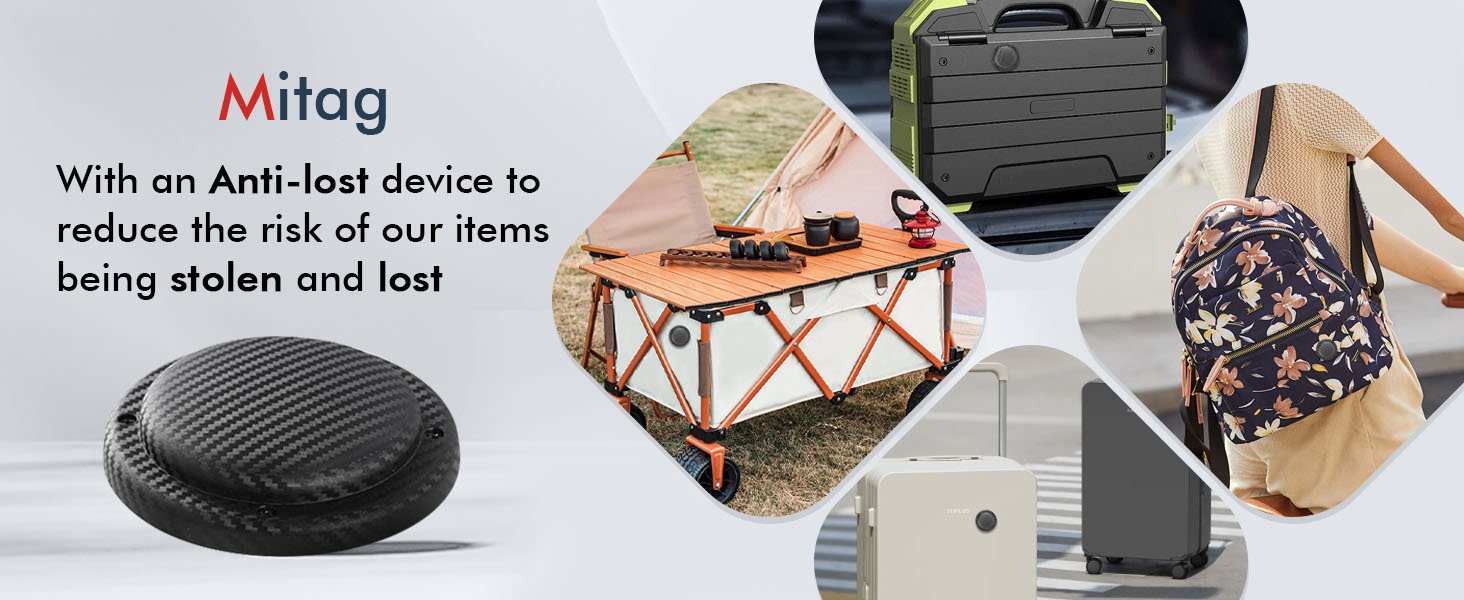
Ultimately, the MiTag’s value proposition is incredibly strong for a specific type of user. It offers about 80% of the core AirTag experience—namely, the powerful and secure Find My network integration—for a fraction of the price. The convenience of the built-in keychain hole and user-replaceable CR2032 battery further enhance its practical appeal. For anyone looking to track multiple items like a backpack, luggage, or a spare set of keys without breaking the bank, the MiTag is a fantastic choice. However, if you frequently misplace items within your own home and rely on pinpoint accuracy to find them, the extra cost for an AirTag with Precision Finding remains a worthwhile investment.
Where to Buy:
MiTag Quick Summary
Key Scores:
-
Value:
88% -
Design:
82% -
Performance:
87% -
Quality:
86% -
Popularity:
78%
Top Pros
- ✅ Integrates seamlessly with Apple’s extensive and secure Find My network.
- ✅ The built-in keychain hole adds significant practical convenience.
- ✅ Its affordable price makes tracking multiple items highly accessible.
- …
Key Cons
- ❌ It lacks the U1 chip for ultra-wideband Precision Finding.
- ❌ The speaker volume is too quiet for noisy environments.
- ❌ Its plastic build quality feels less premium than its competitor.