Tech Essentials
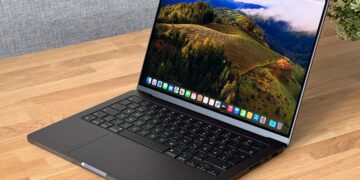




The MacBook Air has long defined the pinnacle of ultra-portable computing, but the new 15-inch model with the M3 chip feels like something more. It confidently blurs the line between everyday convenience and genuine creative power, offering a vast, silent canvas for work and play. This isn’t just a bigger Air; it’s a statement about what a mainstream laptop can and should be in 2024.
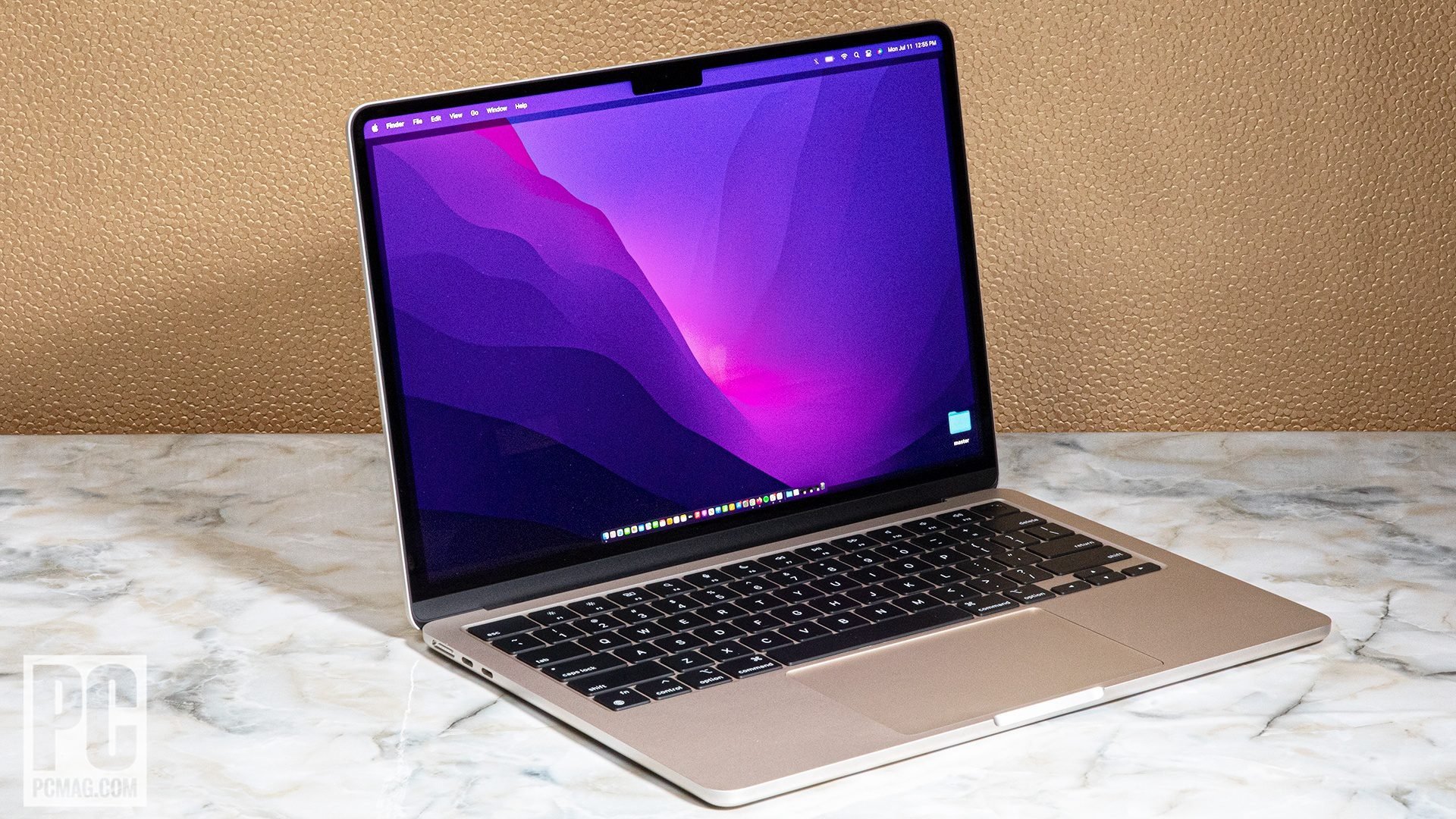
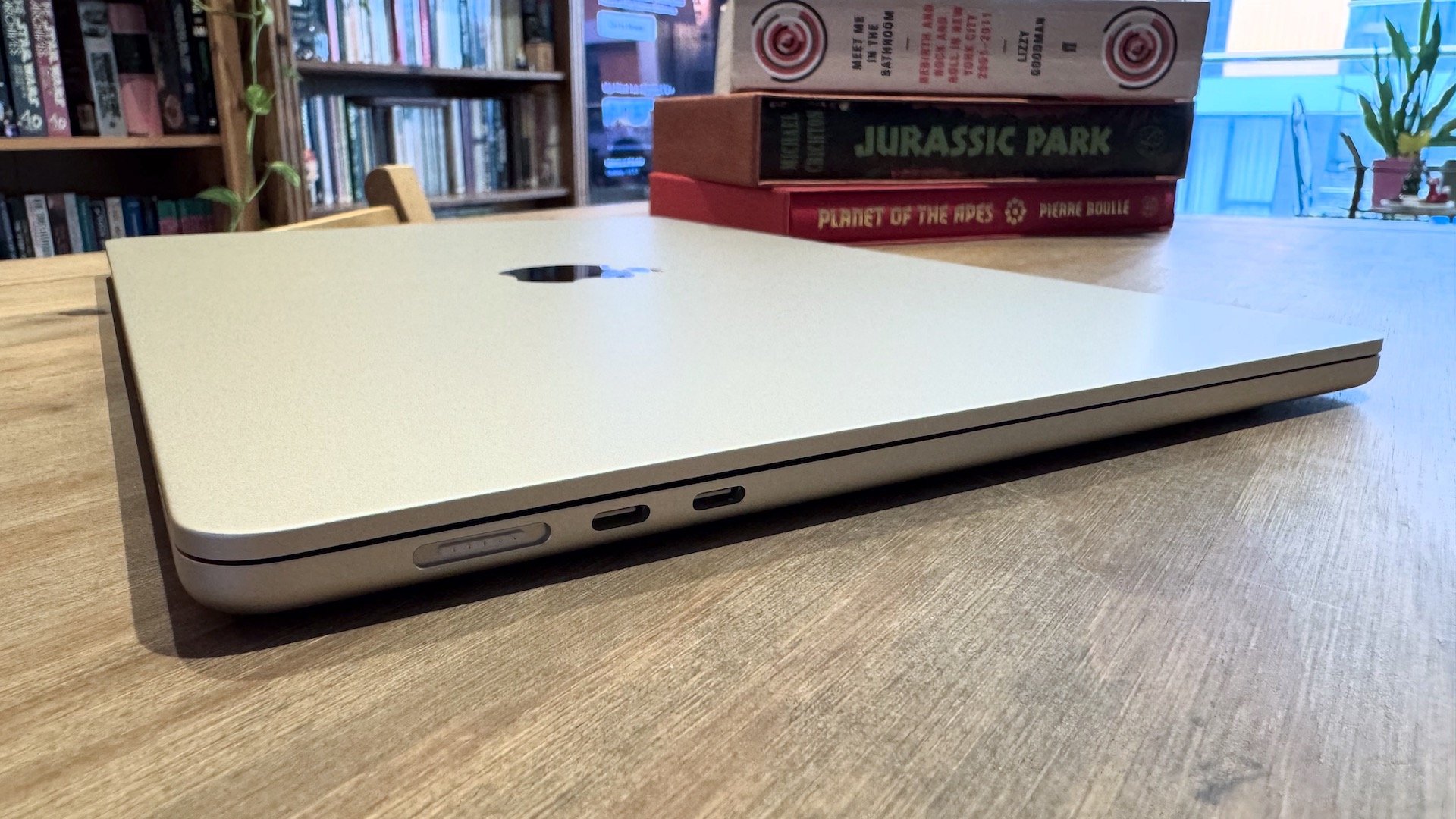
The M3 MacBook Air is a masterclass in iteration. Aesthetically, it’s identical to its M2 predecessor, which is no bad thing. The impossibly thin, all-aluminum chassis feels rigid and impeccably machined, with a reassuring density that belies its 11.5mm profile. Holding it, you still wonder how Apple fit a 15.3-inch screen and a full-day battery inside. The Midnight colorway remains a stunning, deep blue, but be warned—it’s also a magnet for fingerprints, a small annoyance on an otherwise flawless design. The Starlight, Space Gray, and Silver finishes are far more forgiving.
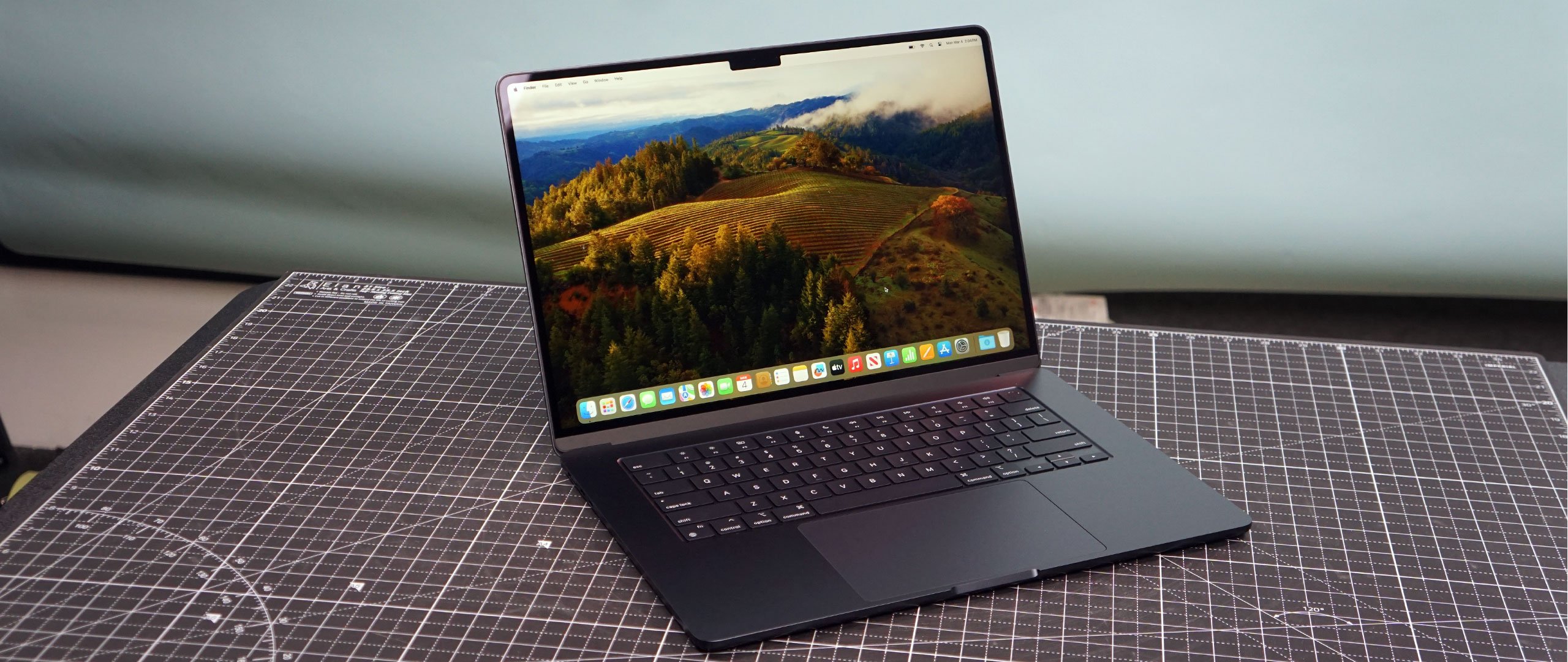
At the heart of this machine is the new M3 chip, built on a 3-nanometer process. For those upgrading from an Intel-based Mac, the performance leap is staggering. Apps launch instantly, 4K video editing in Final Cut Pro is remarkably smooth, and the system never stutters, all while remaining completely silent thanks to its fanless design. For existing M1 or M2 Air owners, the upgrade is more nuanced. While day-to-day tasks won’t feel dramatically different, the M3’s improved GPU architecture, featuring hardware-accelerated mesh shading and ray tracing, provides a tangible boost in graphical performance for creative apps and even some light gaming. The addition of an AV1 decode engine also makes streaming high-quality video more efficient.
The feature set is largely familiar but contains one crucial update. The Liquid Retina display is bright, color-accurate, and gorgeous for media consumption and productivity, though it’s still a 60Hz panel, lacking the fluid ProMotion technology of its Pro siblings. The six-speaker sound system, however, is a standout, delivering immersive, room-filling audio that punches well above its weight class. The most significant new feature is the ability to drive two external displays—a long-standing request—but it comes with the caveat that the laptop lid must be closed. While a welcome addition, it’s a compromise that keeps a clear distinction between the Air and Pro lines. The port selection remains spartan, with just two Thunderbolt/USB 4 ports and a MagSafe 3 charging port.
This brings us to the value proposition, which is where the M3 Air requires careful consideration. Starting at $1,299, the base model comes with 8GB of unified memory and a 256GB SSD. While the M3 is incredibly efficient, 8GB of RAM is a tight constraint for anyone planning to do more than web browsing and document editing. Upgrading to 16GB of RAM is highly recommended for future-proofing and multitasking, but this pushes the price into territory uncomfortably close to the 14-inch M3 MacBook Pro, which offers a superior display, more ports, and an active cooling system.
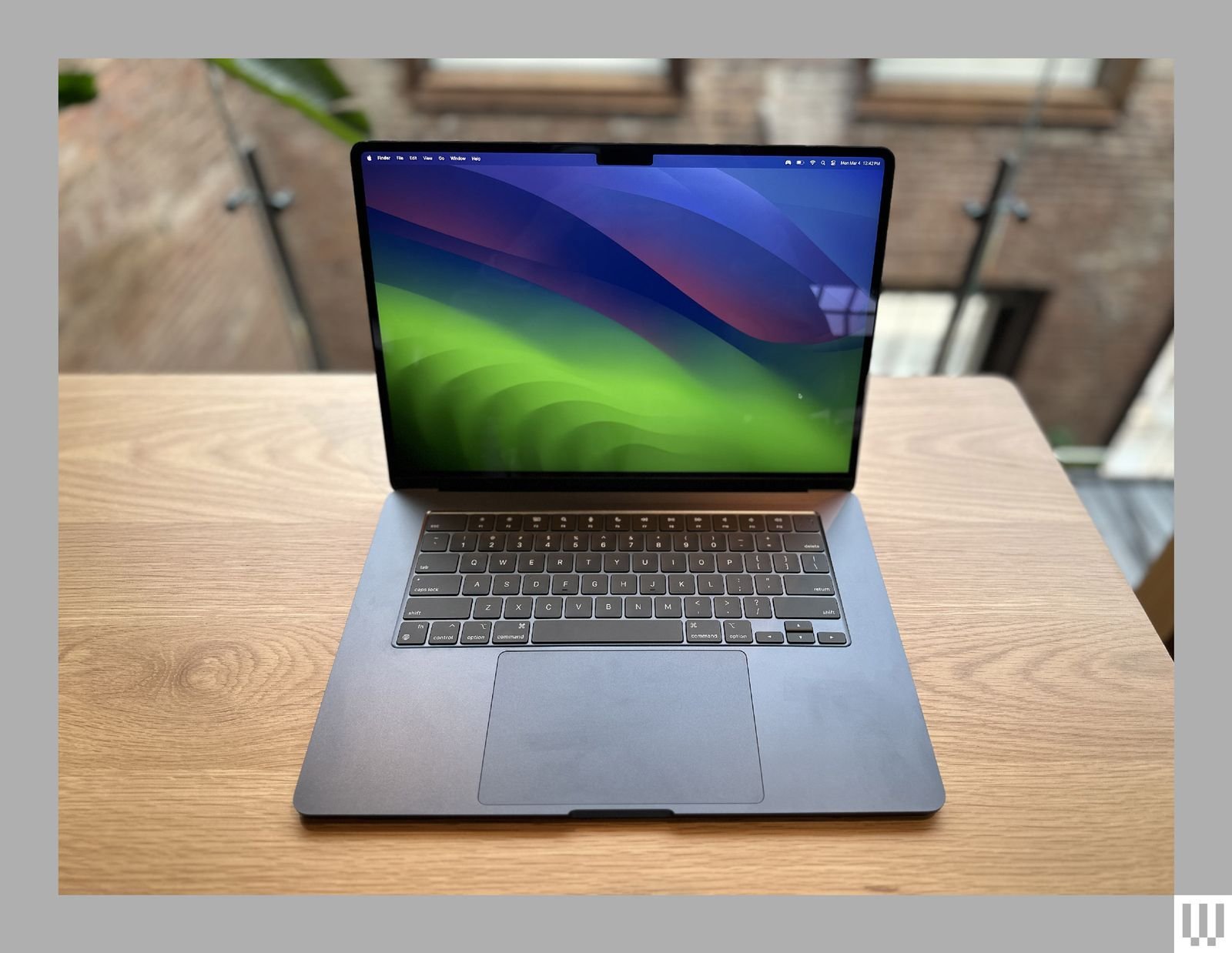
Ultimately, the 15-inch M3 MacBook Air is the best large-screen ultra-portable on the market. It’s the perfect machine for students, writers, and professionals who prioritize screen real estate, silence, and a featherlight design over the peak performance and I/O of a Pro model. For anyone coming from an older Intel MacBook, it’s a revolutionary upgrade. For M2 owners, it’s a skip. For everyone else, it’s the new default Mac, so long as you’re willing to pay the Apple tax for a necessary memory upgrade.
Where to Buy:
https://www.amazon.com/s?k=Apple+M3+MacBook+Air+%2815-inch%29&tag=cp01a-20
Apple M3 MacBook Air (15-inch) Quick Summary
Key Scores:
-
Value:
85% -
Design:
93% -
Performance:
90% -
Quality:
92% -
Popularity:
94%
Top Pros
- ✅ Exceptional M3 performance remains completely silent under any load.
- ✅ Its impossibly thin and light design feels incredibly premium.
- ✅ The large 15.3-inch Liquid Retina display is vibrant and sharp.
- …
Key Cons
- ❌ The base model’s 8GB of RAM feels insufficient for 2024.
- ❌ It is still limited to only two Thunderbolt/USB 4 ports.
- ❌ Upgrading the memory or storage is exceptionally expensive.