Tech Essentials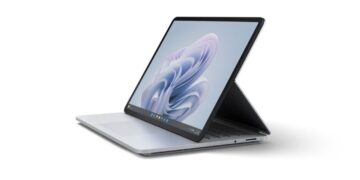
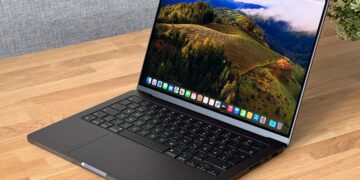
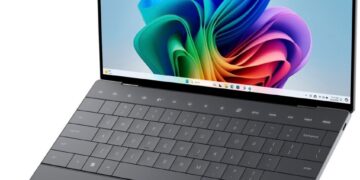



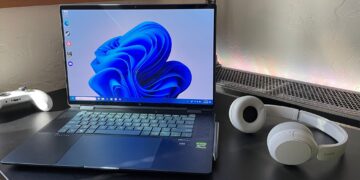
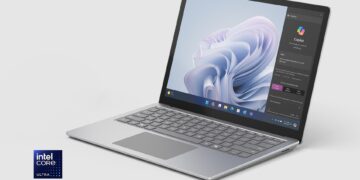



Intel’s Lunar Lake represents a fundamental rethinking of the laptop processor, aiming to redefine the balance between raw power and all-day efficiency. This new chip architecture isn’t just an incremental update; it’s a direct and ambitious challenge to the new era of ARM-based computing. With a laser focus on AI and a radical new design, Lunar Lake is Intel’s most important mobile launch in years.
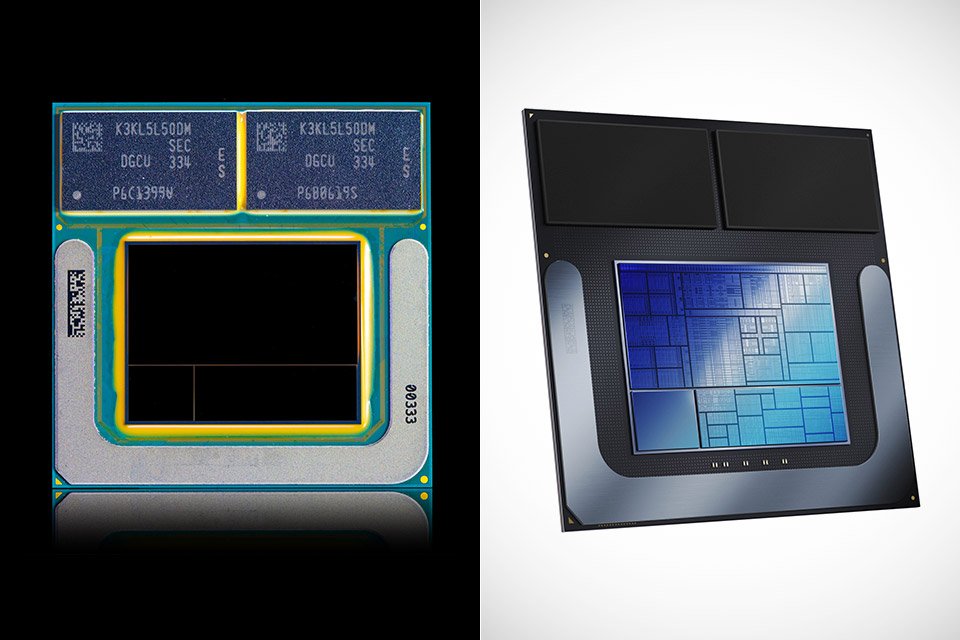
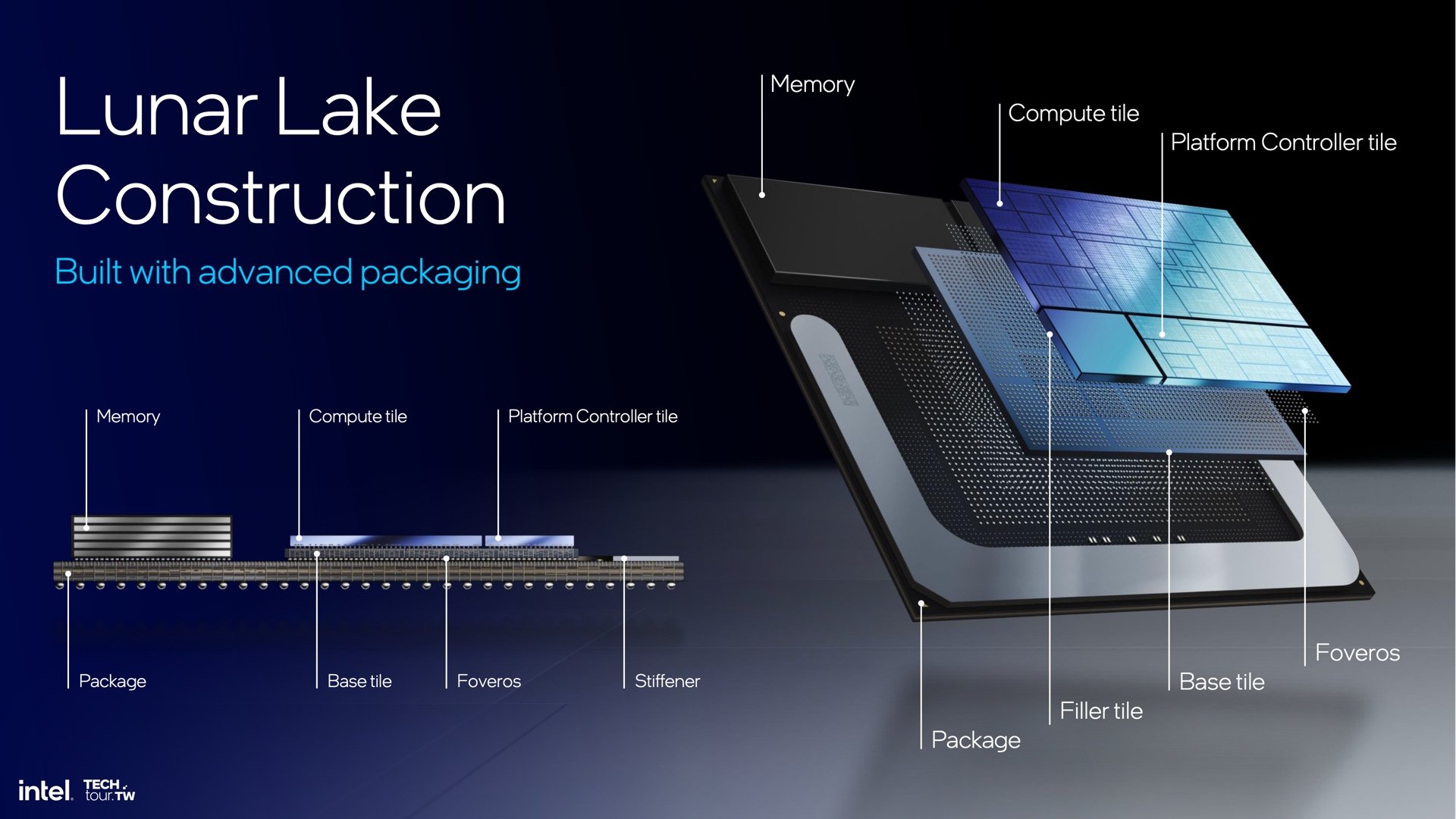
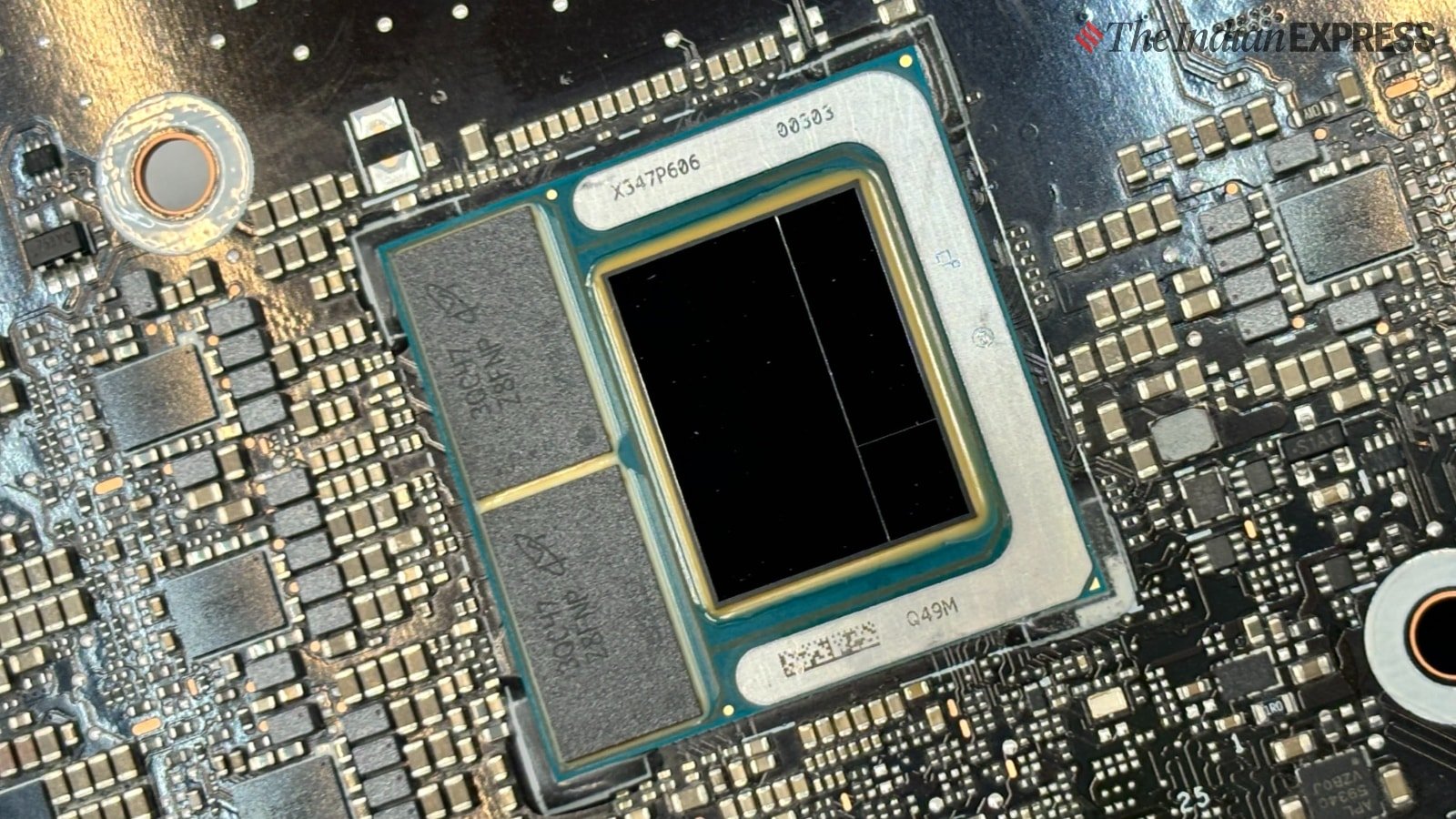
Intel has clearly been taking notes. The entire philosophy behind Lunar Lake shifts from chasing maximum clock speeds to delivering an incredibly efficient and integrated experience. The architecture ditches Hyper-Threading in favor of powerful new Lion Cove Performance-cores and a larger cluster of Skymont Efficiency-cores. The result is a chip that excels at being “just fast enough” for demanding tasks while sipping power for everything else. The most radical change, however, is the move to on-package LPDDR5X memory. This decision, much like Apple’s with its M-series silicon, allows for a much wider memory bus and lower latency, boosting both CPU and GPU performance. The trade-off is significant: RAM is no longer user-upgradable, a concession that will surely frustrate enthusiasts but enables the thinner, more power-efficient designs OEMs are clamoring for.
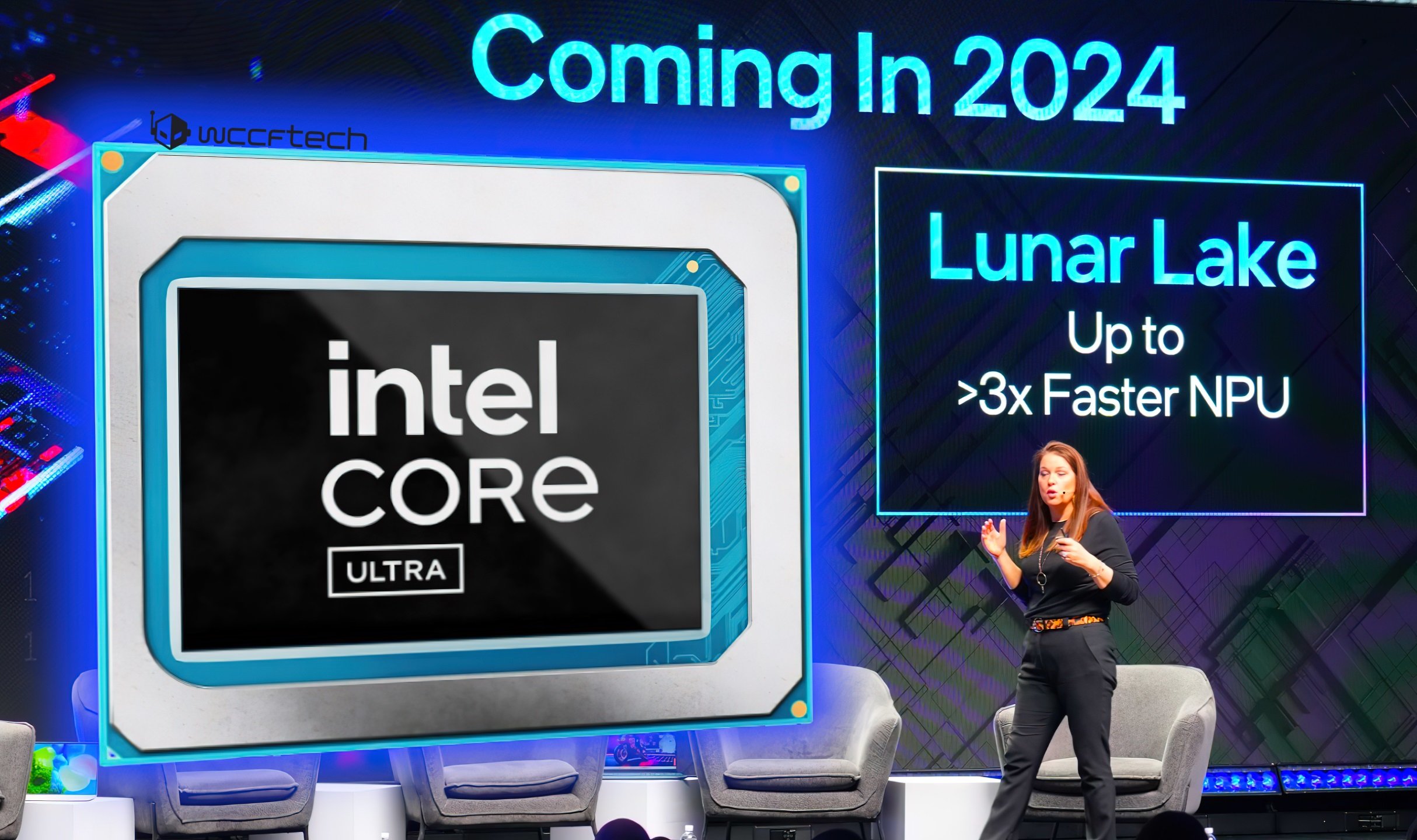
The graphics and AI capabilities are where Lunar Lake truly aims to shine. The new Battlemage (Xe2-LPG) integrated GPU architecture promises a substantial leap in performance, potentially delivering a gaming experience on par with entry-level discrete graphics cards from a few years ago. This makes thin-and-light laptops genuinely viable for casual gaming and content creation without the thermal and battery life penalties of a dedicated GPU. Complementing this is a seriously powerful Neural Processing Unit (NPU) capable of over 40 TOPS (trillion operations per second). This isn’t just for marketing; it’s designed to accelerate the new wave of on-device AI features in Windows, from real-time translation and background effects to more complex local model processing, all while leaving the CPU and GPU free for other tasks.
This intense focus on integration and efficiency forms the core of Lunar Lake’s value proposition. By using Foveros 3D packaging and putting memory directly on the chip, Intel has created a System-on-Chip (SoC) that can power down inactive components with surgical precision. This translates directly into battery life that Intel claims will be revolutionary for the x86 world. The target is no longer just a “full day” of use but a sustained, real-world experience that doesn’t require carrying a charger. While this approach positions Lunar Lake laptops at the premium end of the market, it provides a compelling answer to the efficiency and performance-per-watt arguments long dominated by rivals.
Ultimately, Lunar Lake is not for everyone. It signals a move away from modularity toward a more appliance-like vision for the laptop. For those who prioritize peak multi-core workstation performance or the ability to upgrade components down the line, this architecture will feel restrictive. However, for the professional, student, or everyday user seeking a premium Windows ultrabook with exceptional battery life, potent AI features, and surprisingly capable graphics in a slim package, Lunar Lake is a massive step forward. It is Intel’s confident, modern, and compelling vision for the future of the PC.
Where to Buy:
https://www.amazon.com/s?k=Intel+Lunar+Lake+CPUs&tag=cp01a-20
Intel Lunar Lake CPUs Quick Summary
Key Scores:
-
Value:
85% -
Design:
93% -
Performance:
90% -
Quality:
91% -
Popularity:
88%
Top Pros
- ✅ Exceptional power efficiency promises revolutionary all-day battery life.
- ✅ The new integrated Battlemage graphics deliver impressive performance.
- ✅ A powerful NPU accelerates next-generation on-device AI features.
- …
Key Cons
- ❌ On-package memory completely eliminates user RAM upgrade options.
- ❌ The architecture will debut only in premium, high-end laptops.
- ❌ Lack of Hyper-Threading may limit peak multi-threaded performance.