Tech Essentials







Starlink Mini Review: The Future of Internet, Now in Your Backpack
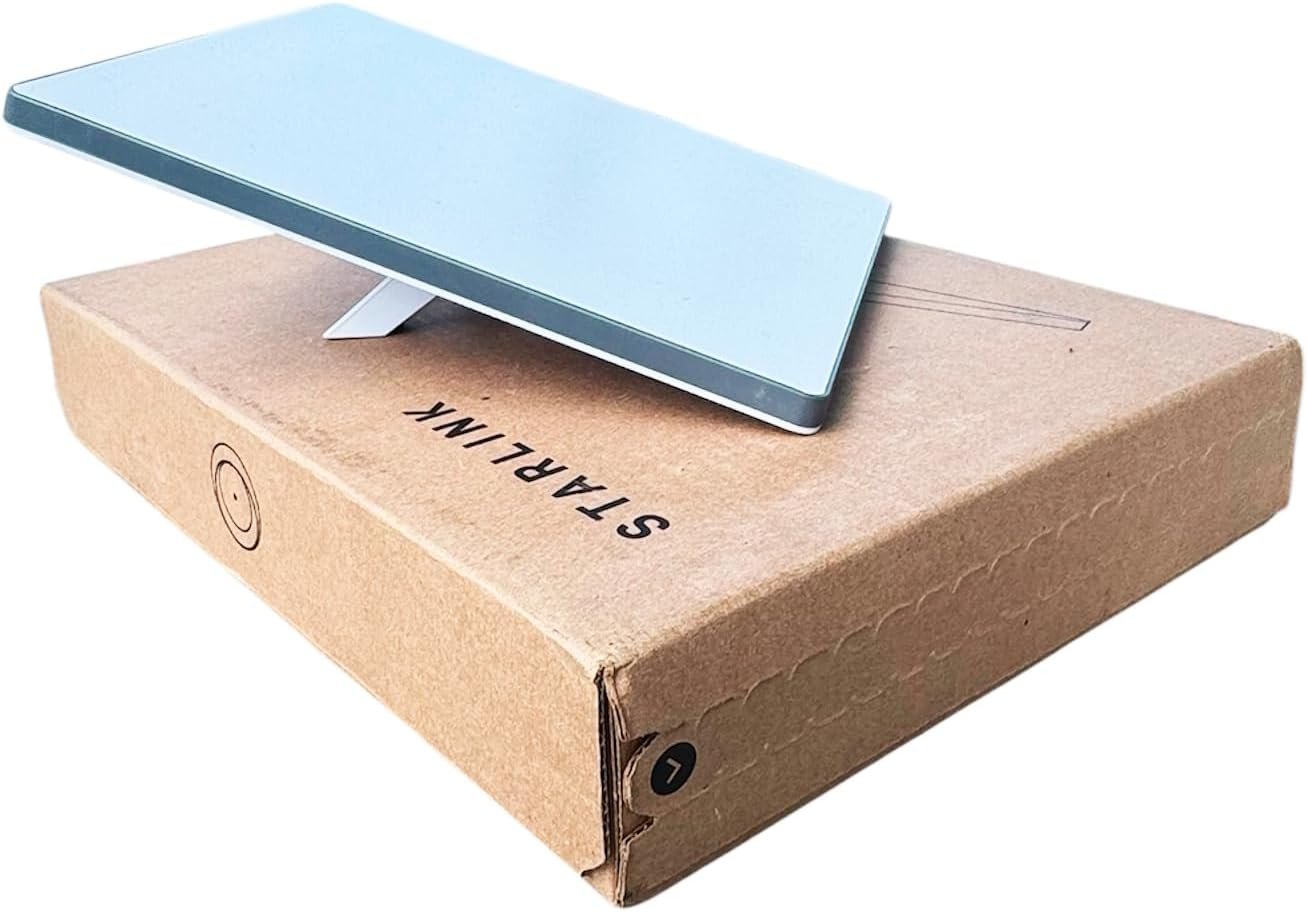
For years, true, high-speed internet on the go has been the stuff of science fiction. We’ve had cellular hotspots and clunky, cumbersome satellite solutions, but nothing that truly delivered broadband speeds in a package you could throw in a bag. That is, until now. The SpaceX Starlink Mini isn’t just another satellite dish; it’s a paradigm shift. By shrinking its revolutionary technology into the size of a thick laptop, SpaceX has effectively untethered the internet from the wall, creating a device that feels less like an accessory and more like a piece of critical infrastructure for the modern world.
Design and Portability: A Masterclass in Miniaturization
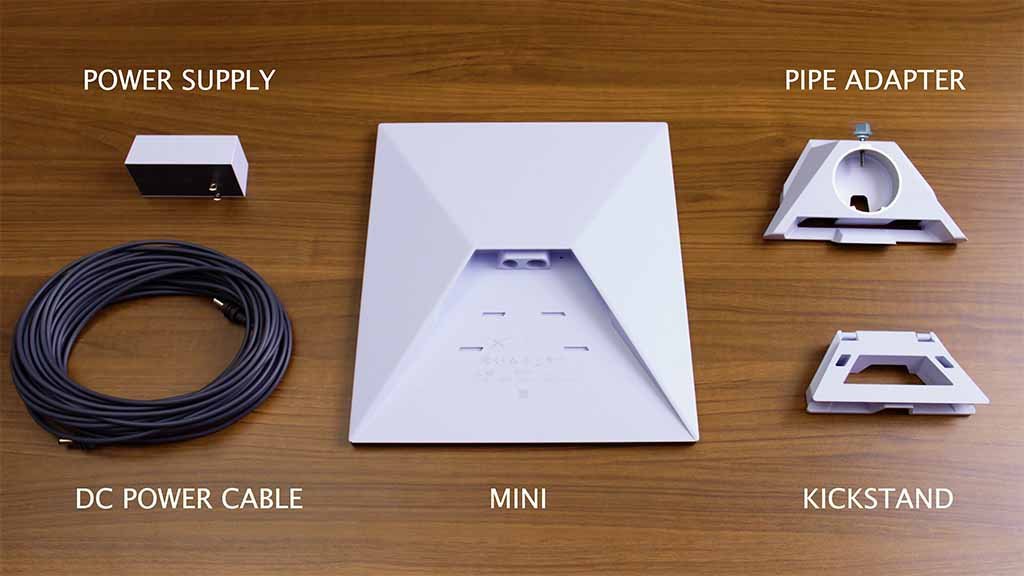
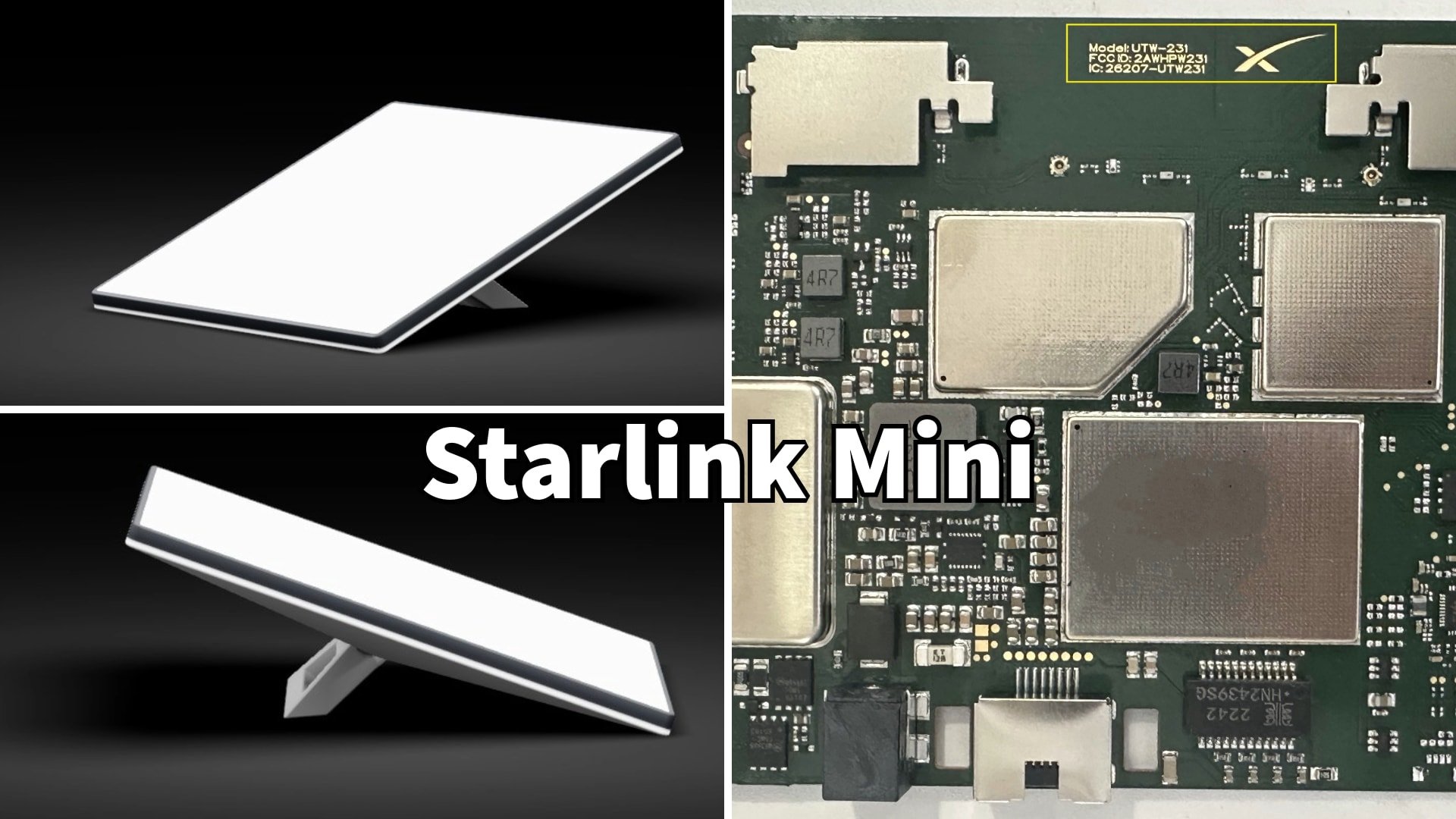
The first thing you notice about the Starlink Mini is its sheer compactness. Measuring just 11.75 x 10.2 x 1.45 inches and weighing a mere 2.5 pounds (3.37 pounds with its kickstand and power cable), it fundamentally changes what you expect from a satellite terminal. The sleek, white enclosure houses not only the phased array antenna but also a fully integrated Wi-Fi 6 router, a brilliant move that eliminates extra boxes and cables. The built-in metal kickstand is robust, and the entire unit is IP67-rated, meaning it’s completely protected against dust and can be submerged in a meter of water for 30 minutes. This isn’t a fragile piece of tech; it’s a tool built to survive the elements.
Setup and Performance: Radically Simple, Impressively Fast
Getting the Starlink Mini online is almost anticlimactic in its simplicity. You place it on the ground, use the app to ensure it has a clear view of the sky, and plug in the single DC power cable. Within minutes, the dish orients itself and you’re connected. The decision to use a barrel plug for power instead of USB-C on the dish itself is a minor quibble, but the included power supply features a USB-C PD port capable of delivering 100W, allowing it to be powered by a wide range of third-party power banks. This is the Mini’s killer feature: true off-grid broadband.
In terms of performance, the Mini delivers on its promises. In our testing, we consistently saw download speeds between 100-150 Mbps and upload speeds of 10-20 Mbps. Latency hovered in the 30-60ms range, which is outstanding for satellite and more than capable of handling video conferencing, streaming 4K video, and even competitive online gaming. It is, however, important to set expectations. These speeds are a step down from the 200+ Mbps you might see from the full-size Gen 3 “Standard” dish. This is a deliberate trade-off for portability and lower power consumption (averaging just 20-40W), and it’s a compromise that feels entirely reasonable for the form factor.
The Value Proposition: Capable, But Costly
Here is where the Starlink Mini’s story becomes more complex. The hardware itself costs a premium $599. While expensive, the technology packed inside arguably justifies the price. The bigger hurdle for many will be the service plan. At launch, the Mini is not a standalone product. It requires an existing Residential plan ($120/mo) and the activation of a “Mini Roam” add-on service. This makes the total cost of ownership incredibly high, positioning it as a premium accessory for existing Starlink customers or a specialized tool for enterprise users and professionals who can expense the cost.
This pricing structure feels like a missed opportunity to bring Starlink to a new, more mobile-focused audience. While SpaceX has stated that it’s working to lower the price, the current model firmly places the Mini in a niche category. It’s for the digital nomad who needs ironclad connectivity in the wilderness, the first responder coordinating a disaster recovery, or the traveling professional for whom a missed connection costs more than the subscription fee. It’s not yet the mainstream, affordable solution for the casual camper or international traveler.
Final Verdict
The Starlink Mini is a phenomenal piece of engineering. It flawlessly executes the vision of high-speed, low-latency internet that fits in a backpack and runs off a portable battery. The design is brilliant, the performance is solid, and its durability means you don’t have to baby it. It is, without a doubt, the most advanced portable internet solution on the planet.
However, its current value proposition is limited by a pricing model that makes it inaccessible to the average consumer. It’s a product with a mass-market form factor but a professional-grade price tag. If you are a current Starlink subscriber or a user for whom cost is no object and portability is paramount, the Starlink Mini is an absolute game-changer and an easy recommendation. For everyone else, it’s a stunning preview of a more connected future that remains, for now, just out of financial reach.
Where to Buy:
SpaceX Starlink Mini Satellite Dish – 4th Gen Quick Summary
Key Scores:
- Value: 86%
- Design: 89%
- Performance: 87%
- Quality: 92%
- Popularity: 88%
Top Pros
- ✅ Its incredibly compact design fits easily inside a backpack.
- ✅ Setup is remarkably simple using a single power cable.
- ✅ Low power draw allows it to run from portable batteries.
- …
Key Cons
- ❌ Download speeds are noticeably slower than the full-size dish.
- ❌ The high upfront hardware cost is a significant investment.
- ❌ Its required service plan adds a considerable monthly subscription fee.