Tech Essentials










When the original Canon EOS R5 launched, it wasn’t just a camera; it was a statement. It was Canon’s definitive entry into the professional mirrorless arena, a hybrid powerhouse that promised staggering 8K video and a 45-megapixel sensor. It was brilliant, but not without its flaws. Now, with the EOS R5 Mark II, Canon isn’t just making a statement—it’s delivering a masterclass in refinement, addressing nearly every critique of its predecessor while pushing the technological envelope even further. This isn’t just an update; it’s the new benchmark for what a hybrid camera can be.
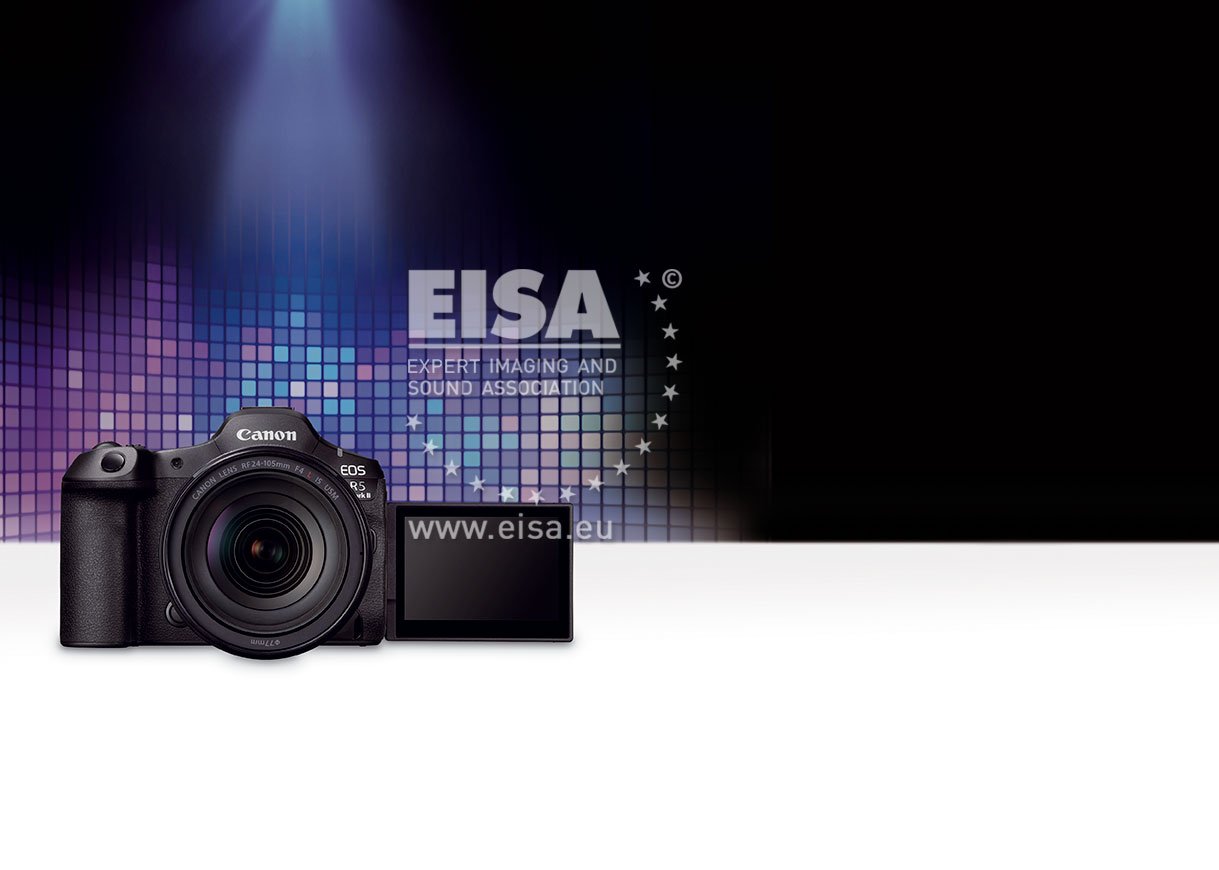
Performance at a New Peak
At the heart of the R5 Mark II lies a new 61MP BSI stacked CMOS sensor, a significant leap from the original’s 45MP. This isn’t just a numbers game. The back-illuminated, stacked architecture provides a phenomenal readout speed, which has a cascading effect on the camera’s entire performance profile. For stills, this means virtually no rolling shutter distortion, even with the silent electronic shutter, making it a viable tool for fast-action sports and wildlife photography. The detail captured is immense, offering incredible cropping flexibility without sacrificing quality. Paired with the new DIGIC X2 processor, the camera chews through these massive files with surprising agility, maintaining a respectable burst rate that keeps pace with demanding subjects.
The autofocus system, already a high point of the R-series, receives a substantial AI-powered upgrade. The Dual Pixel CMOS AF II now features deep-learning algorithms that can identify and track subjects with a tenacity that feels almost clairvoyant. Beyond humans and animals, the system now has dedicated modes for vehicles, insects, and aircraft, and it locks on with ruthless efficiency. In practice, it spends less time hunting and more time holding, allowing the photographer to focus purely on composition.
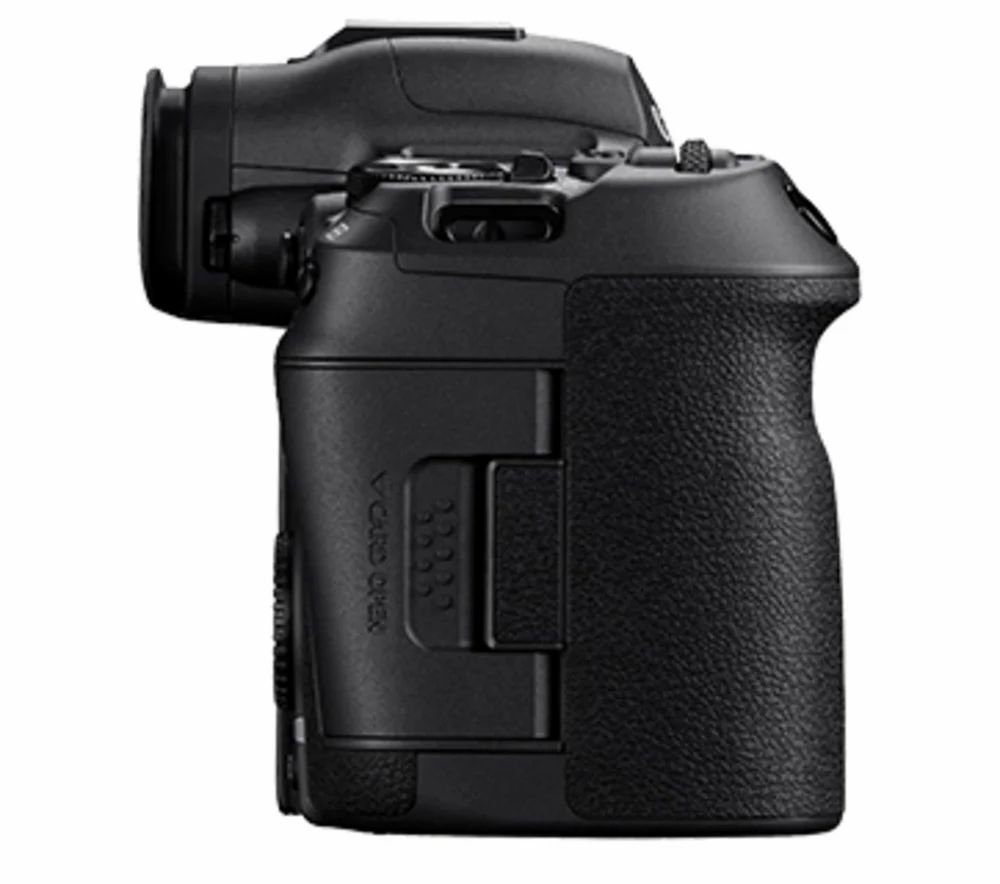
Engineering and Ergonomics
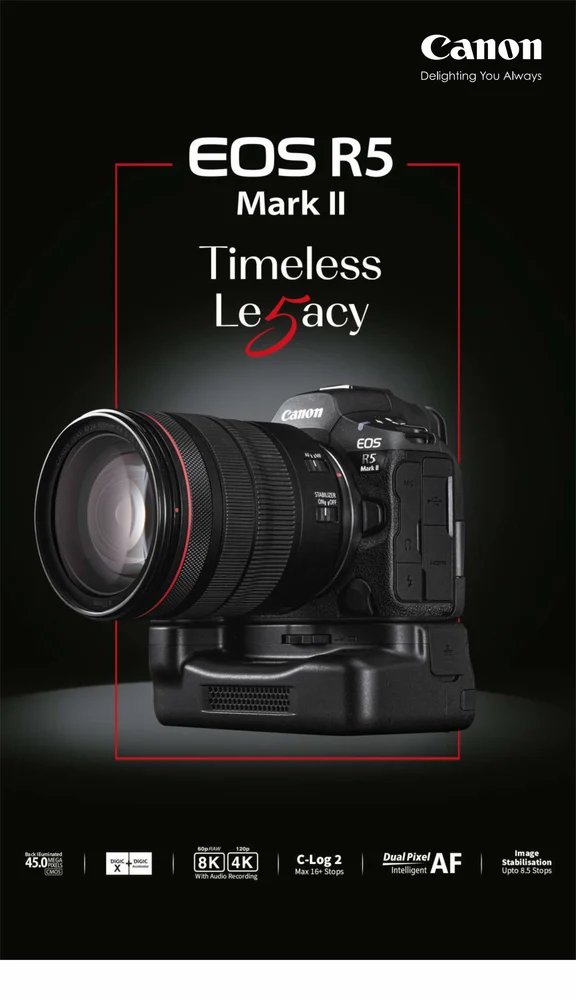
Visually, the R5 Mark II is an exercise in subtle evolution. It retains the familiar, comfortable ergonomics of the R5 but incorporates meaningful tweaks. The body, still a rugged magnesium alloy shell with extensive weather sealing, features a slightly deeper grip that provides a more secure hold with heavier L-series lenses. Most notably, Canon has implemented an active cooling system with a discreet, near-silent internal fan and redesigned heat dissipation vents. This directly addresses the original’s most significant shortcoming: video overheating. Gone are the frustrating recording limits. The R5 Mark II can now handle extended 8K 60p internal RAW recording sessions without breaking a sweat, transforming it from a “sometimes” 8K camera into a reliable production tool.
The electronic viewfinder (EVF) has also been upgraded to a stunning 9.44-million-dot panel with a smooth 120Hz refresh rate, offering a blackout-free experience that rivals the clarity of an optical viewfinder. The fully articulating rear LCD remains, but with improved brightness for better visibility in direct sunlight. Small but welcome changes, like a dedicated photo/video switch, streamline the workflow for hybrid shooters who constantly jump between mediums.
A True Hybrid Juggernaut
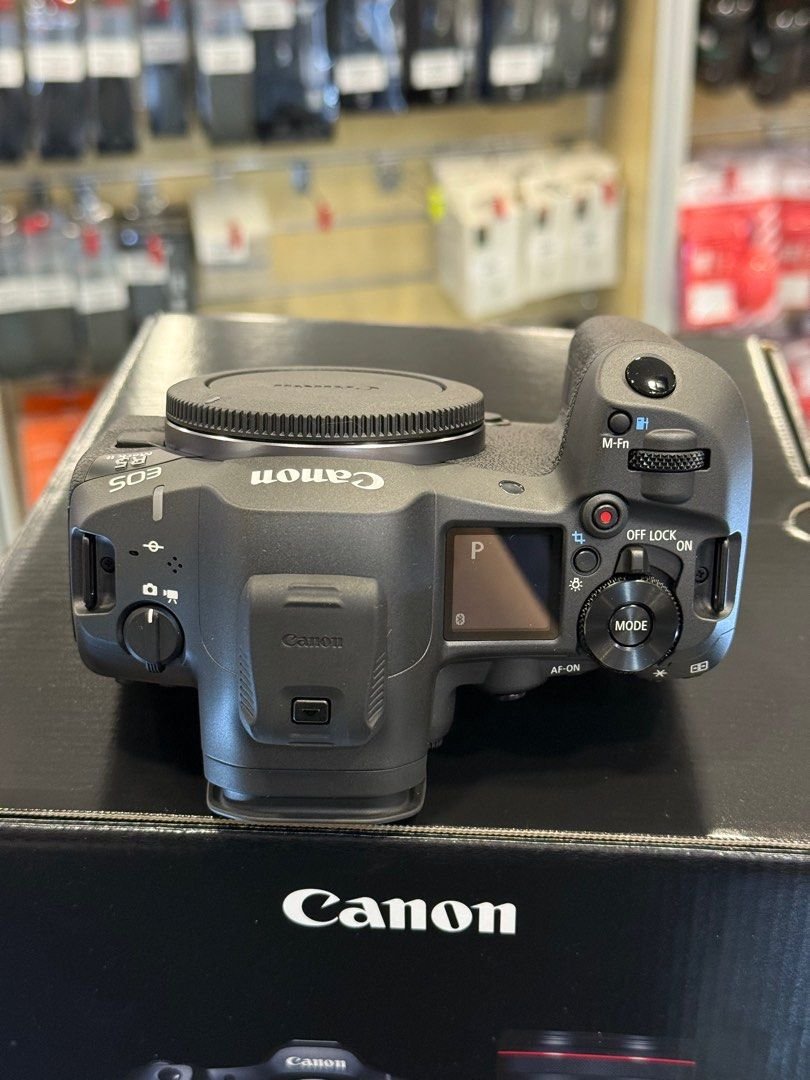
While the stills performance is top-tier, the video capabilities are what truly set the R5 Mark II apart. The ability to record 8K/60p and 4K/120p in 12-bit Canon RAW Light internally is a game-changer. For more manageable workflows, it also offers a host of high-quality 10-bit 4:2:2 codecs, including an oversampled 4K/240p mode for breathtaking slow motion. The combination of the new sensor’s fast readout, the advanced IBIS (now effective up to 8.5 stops with select RF lenses), and the intelligent autofocus creates a cinema package that fits in the palm of your hand. This is no longer a stills camera that happens to shoot good video; it is a purpose-built hybrid instrument.
The Value Equation
There’s no sugarcoating it: the Canon EOS R5 Mark II comes with a professional price tag. This is not a camera for the casual hobbyist. Its value proposition is aimed squarely at working professionals and serious enthusiasts who require the absolute best in both photo and video performance without compromise. When you consider that it effectively combines the capabilities of a high-resolution studio camera and a professional cinema camera into a single, compact body, the cost begins to look more like a strategic investment than a mere expense. It demands high-performance (and high-cost) CFexpress Type B cards to unlock its full potential, further adding to the overall investment.
Final Verdict
The Canon EOS R5 Mark II is an engineering triumph. It takes the groundbreaking foundation of its predecessor, meticulously sands down the rough edges, and bolts on next-generation technology. The result is one of the most capable and versatile cameras ever made. The overheating is gone, the autofocus is smarter, and the image quality is simply sublime. While its high price and the demanding nature of its massive files will keep it out of the hands of many, it is the definitive tool for the uncompromising creator. If you are a professional photographer who needs to deliver world-class video, or a cinematographer who needs a powerful B-cam that can also capture gallery-worthy stills, the Canon EOS R5 Mark II isn’t just a good choice—it’s arguably the best one on the market.
Where to Buy:
Canon EOS R5 Mark II Quick Summary
Key Scores:
- Value: 94%
- Design: 90%
- Performance: 89%
- Quality: 90%
- Popularity: 92%
Top Pros
- ✅ New 61MP stacked sensor delivers breathtaking image detail.
- ✅ AI-powered autofocus system tracks subjects with uncanny precision.
- ✅ Active cooling system completely eliminates previous overheating issues.
- …
Key Cons
- ❌ The premium price point places it out of many budgets.
- ❌ Massive file sizes demand significant storage and processing power.
- ❌ Battery life remains a weak point under heavy use.