Tech Essentials










Apple AirTag Review: The Ecosystem’s Ultimate Finder

The sinking feeling of misplacing your keys, wallet, or backpack is a universally understood frustration. For years, Bluetooth trackers have offered a partial solution, but the market always felt like it was waiting for a major player to redefine the category. Enter the Apple AirTag. It’s not just another tracker; it’s a tiny, powerful node in one of the world’s largest crowd-sourced networks, promising a seamless and precise way to find what you’ve lost. But does this deep integration with the Apple ecosystem make it the definitive object finder, or are its limitations a deal-breaker?
Design and a Calculated Omission
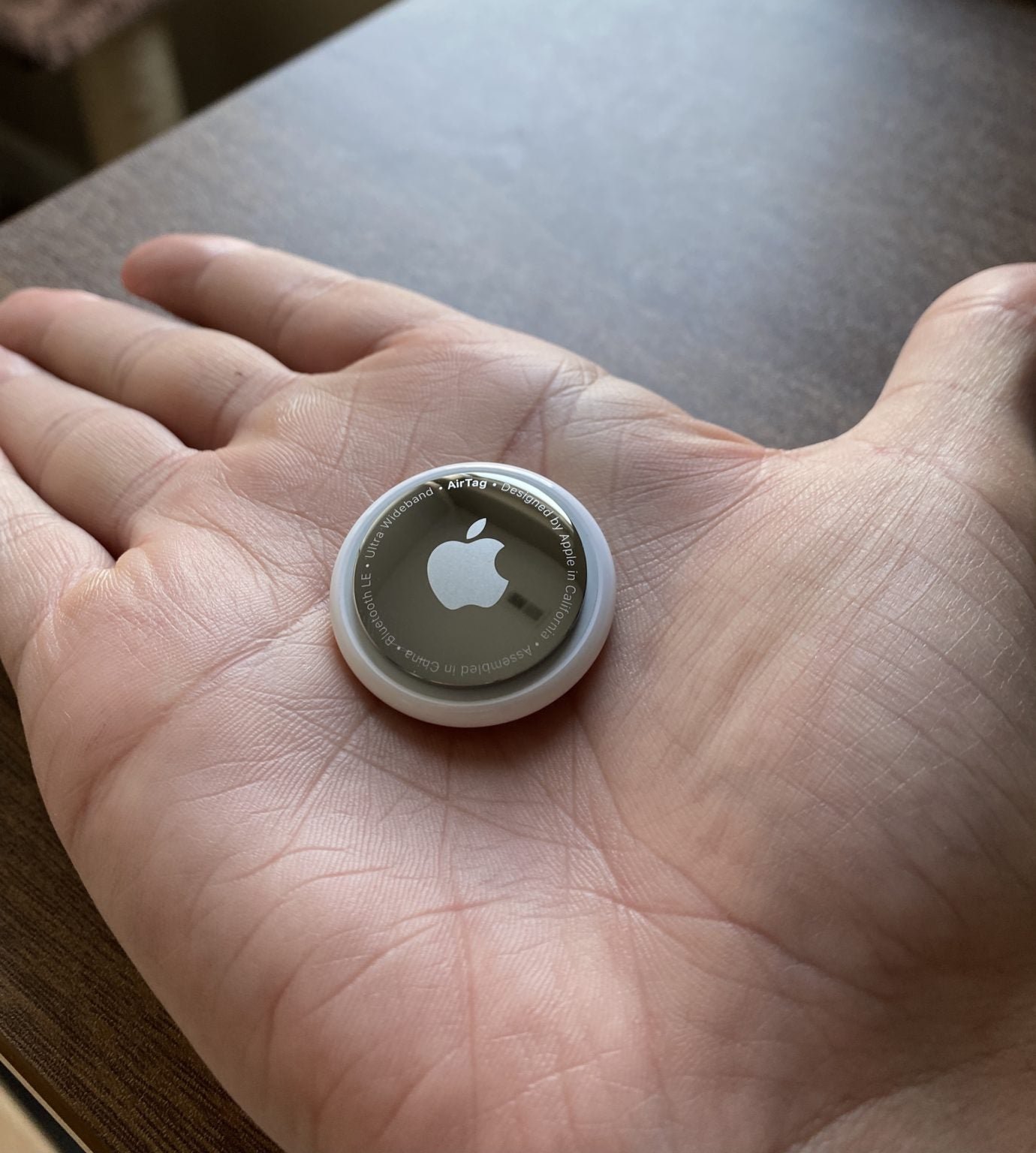
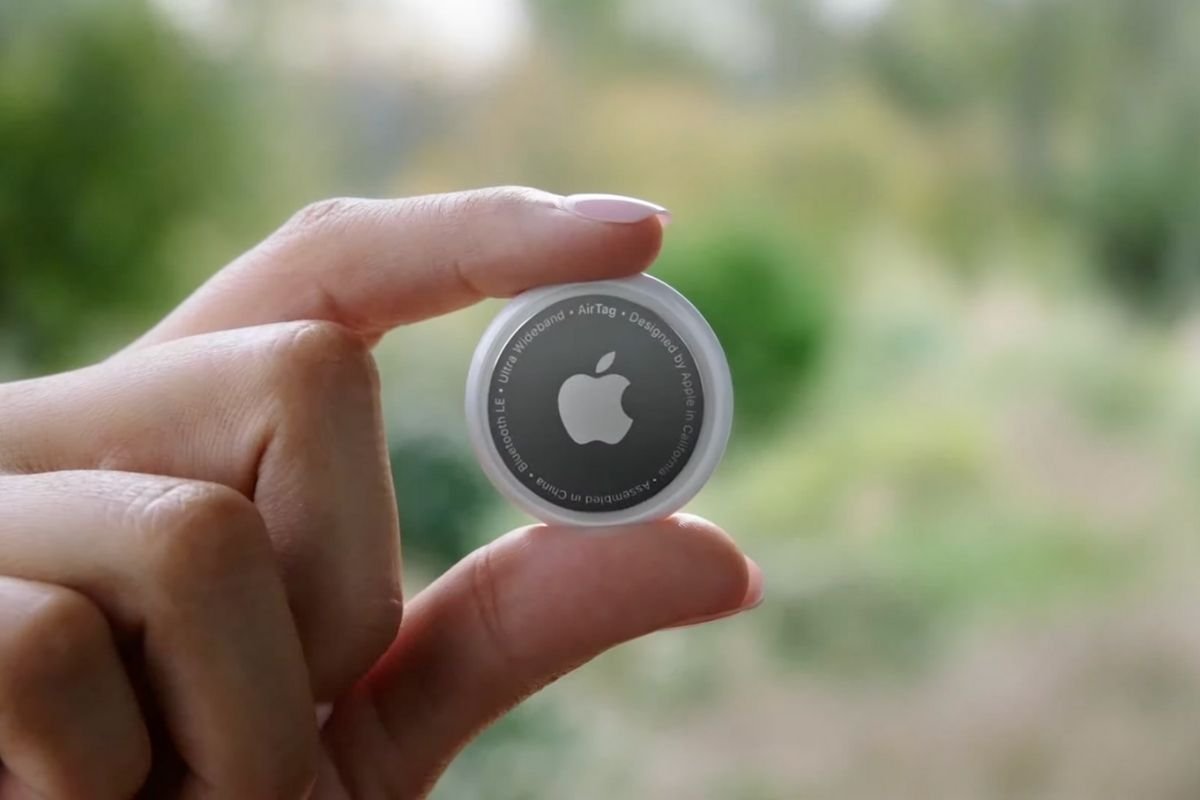
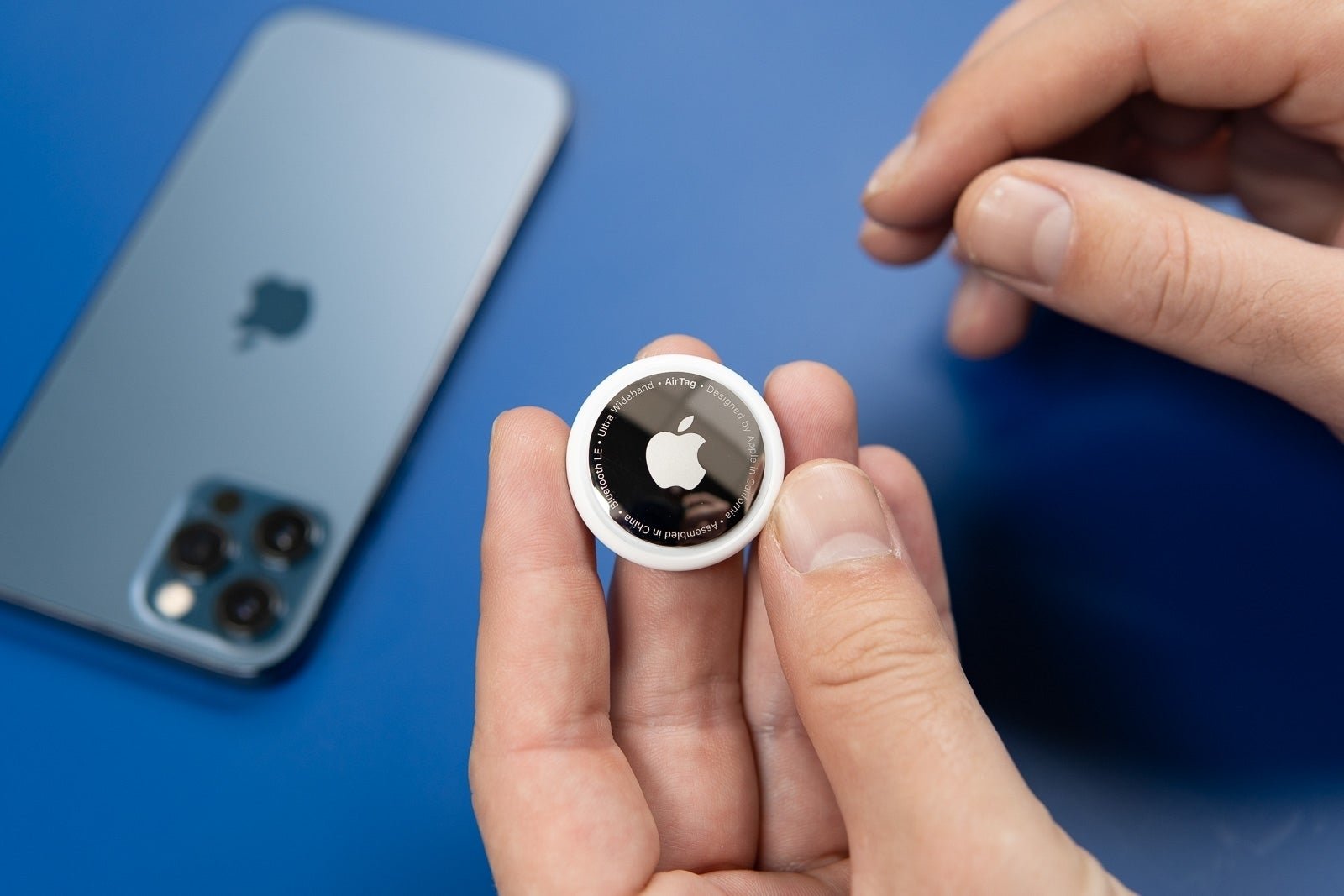
True to Apple’s form, the AirTag is a masterclass in minimalist design. It’s a small, gleaming white-and-silver disc, about the size of a large coin, feeling dense and premium in the hand. The polished stainless steel back houses a user-replaceable CR2032 battery, a welcome and practical touch, while the white plastic front serves as the speaker. With an IP67 rating, it can handle a splash of rain or an accidental drop in a puddle without issue. However, its most significant design feature is what’s missing: a keyhole. This omission is not an oversight but a deliberate choice, effectively making an accessory—a keychain holder or a luggage loop—a mandatory additional purchase. While the polished steel looks beautiful out of the box, be prepared for it to accumulate a tapestry of micro-scratches almost immediately.
Performance: The Power of the Crowd
The AirTag’s true genius lies not in the hardware itself, but in the software and network that power it. Setting it up is magically simple: pull the plastic tab and bring it near your iPhone. A prompt appears, you name your item, and it’s linked to your Apple ID. From then on, it lives in the Find My app. When your AirTag is out of your personal Bluetooth range, it leverages the Find My network—a vast, encrypted, and anonymous network of hundreds of millions of iPhones, iPads, and Macs around the globe. Any nearby Apple device can detect your AirTag’s Bluetooth signal and securely relay its location back to you. This is the AirTag’s killer feature and its single greatest advantage over competitors; in a dense urban environment, its location can be updated with staggering frequency and accuracy.
For finding items nearby, iPhones 11 and newer get to experience Precision Finding. Thanks to the U1 Ultra Wideband chip, your phone transforms into a personal homing device. The screen displays a clear arrow pointing you in the right direction, along with a constantly updating distance measurement. Haptic feedback intensifies as you get closer, creating an intuitive and almost game-like experience of “you’re getting warmer.” It’s incredibly effective for finding keys that have slipped between the sofa cushions. The built-in speaker can also be triggered to play a chirp, though it’s a bit faint and can be difficult to hear in a noisy environment.
Privacy, Features, and the Value Proposition
From the outset, Apple built privacy into the AirTag’s core. The communication on the Find My network is end-to-end encrypted, so no one—not even Apple—knows the location of your AirTag or the identity of the device that helped find it. If you truly lose an item, you can place the AirTag in Lost Mode, which will notify you when it’s detected and can display your contact information to anyone who finds it and taps it with an NFC-capable phone.
However, the potential for misuse and unwanted tracking has been a significant concern. Apple has implemented safeguards, such as notifying you if an unknown AirTag is detected traveling with you over time. While these are crucial and responsible features, they aren’t foolproof, and the debate around the security of these devices continues. At $29 for one or $99 for a four-pack, the upfront cost is reasonable. But when you factor in the necessary holder or keychain, the total investment for a single tracker can easily approach $50 or more. Its value is therefore intrinsically linked to your commitment to Apple’s ecosystem and your willingness to pay the “Apple tax” on accessories.
The Final Verdict
For anyone deeply embedded in the Apple ecosystem, the AirTag is an exceptionally powerful and well-executed product. Its integration with the Find My network is unmatched, providing a level of crowd-sourced location tracking that competitors simply cannot replicate. The magic of Precision Finding is a genuine delight, turning the frantic search for lost items into a quick and precise task.
The AirTag is best for the iPhone user who values convenience and the power of a vast network over all else. However, the easily scratched design and the frustrating need to purchase a separate accessory for basic functionality slightly tarnish an otherwise brilliant device. It’s an essential accessory for the forgetful Apple faithful, but a non-starter for everyone else.
Where to Buy:
Apple AirTag Quick Summary
Key Scores:
- Value: 96%
- Design: 92%
- Performance: 90%
- Quality: 91%
- Popularity: 95%
Top Pros
- ✅ The vast Find My network provides unparalleled location tracking ability.
- ✅ Precision Finding offers incredibly accurate directional guidance for nearby items.
- ✅ A user-replaceable battery offers a convenient and long-lasting power source.
- …
Key Cons
- ❌ The design lacks a built-in loop, forcing accessory purchases.
- ❌ Polished stainless steel backing scratches and scuffs with remarkable ease.
- ❌ Unwanted tracking concerns exist despite Apple’s built-in safety features.
- …