Tech Essentials










The Future is Finally in Focus: A Review of the Ray-Ban Meta Smart Glasses
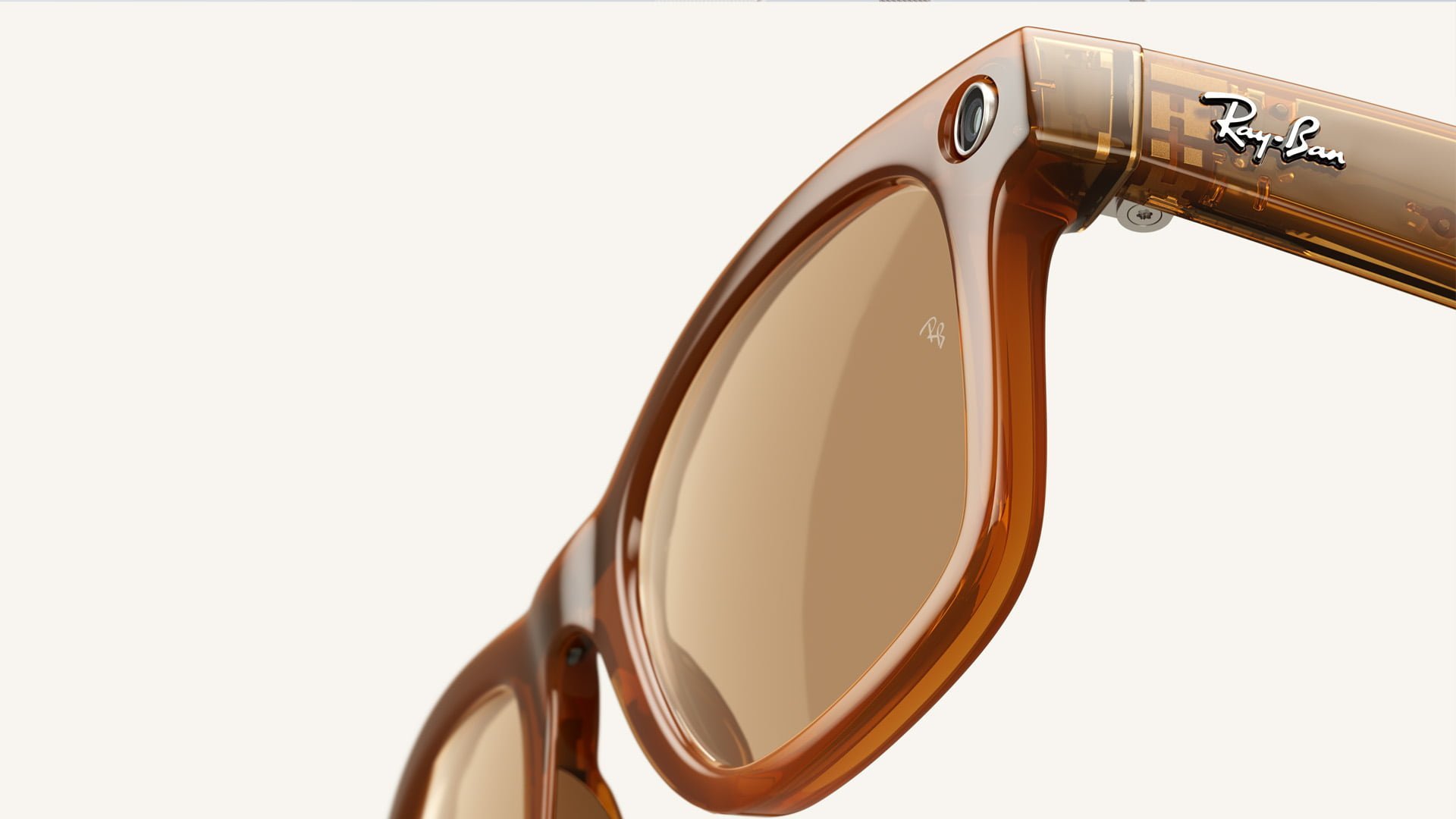
For years, the dream of smart glasses has felt like a solution in search of a problem, haunted by the specter of Google Glass. The concept was tantalizing, but the execution was often clunky, socially awkward, and technologically premature. Enter the second generation of the Ray-Ban Meta collaboration. This isn’t just an iterative update; it’s a confident stride into the mainstream, packaging genuinely useful tech inside an iconic design. They don’t try to be an augmented reality revolution. Instead, they aim to be the best version of your favorite sunglasses, supercharged with the ability to capture, share, and listen to your world, hands-free.
Design: Still a Ray-Ban, and That’s the Point
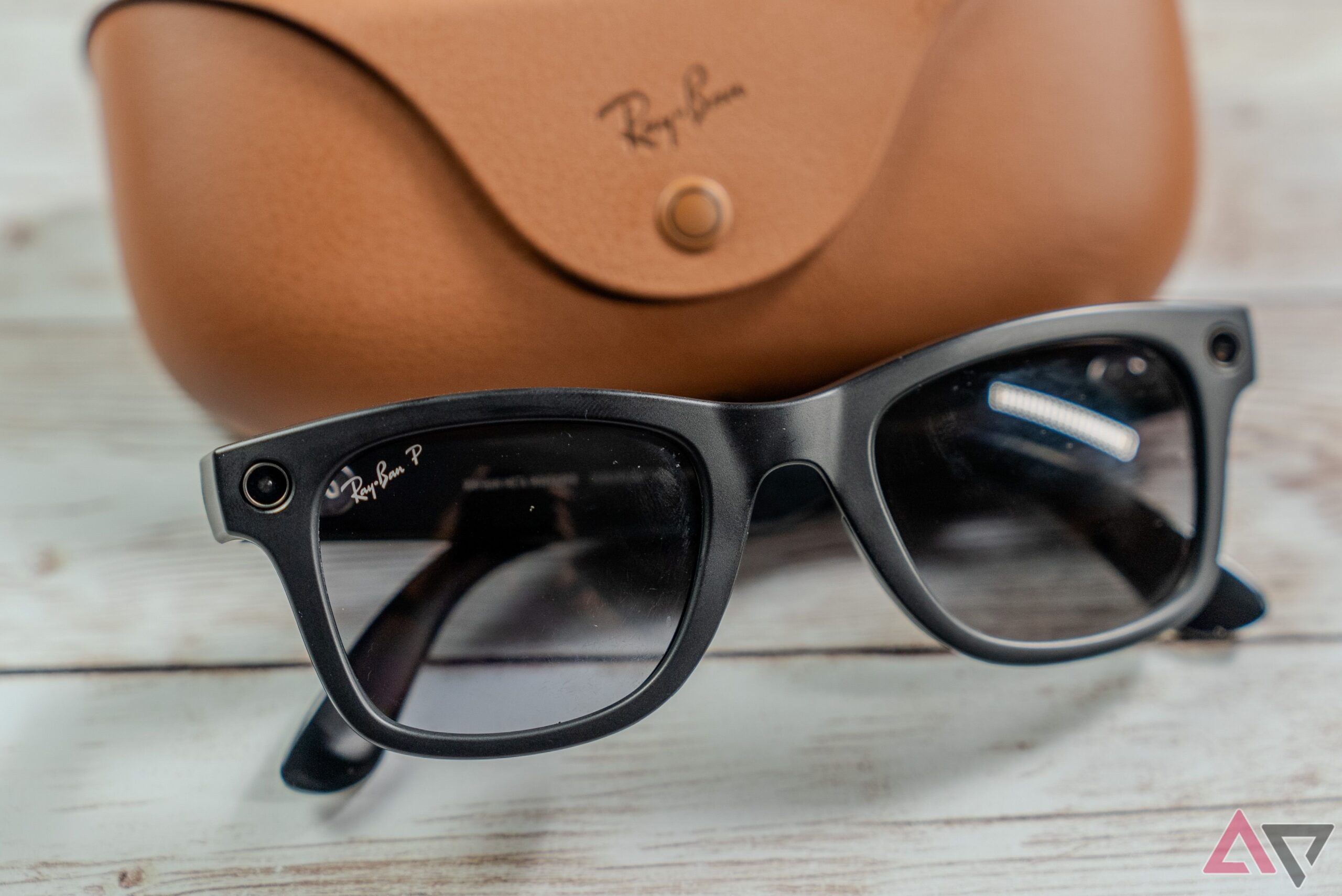
Unboxing the new Ray-Ban Meta glasses feels… normal. And that’s their greatest design achievement. Available in the timeless Wayfarer and new Headliner styles, they look and feel like premium sunglasses. The build quality is excellent, with a satisfying weight and sturdy hinges. Meta has done a remarkable job shrinking the technology; the arms are only marginally thicker than their non-tech counterparts. To the casual observer, they are indistinguishable from a standard pair of Ray-Bans.
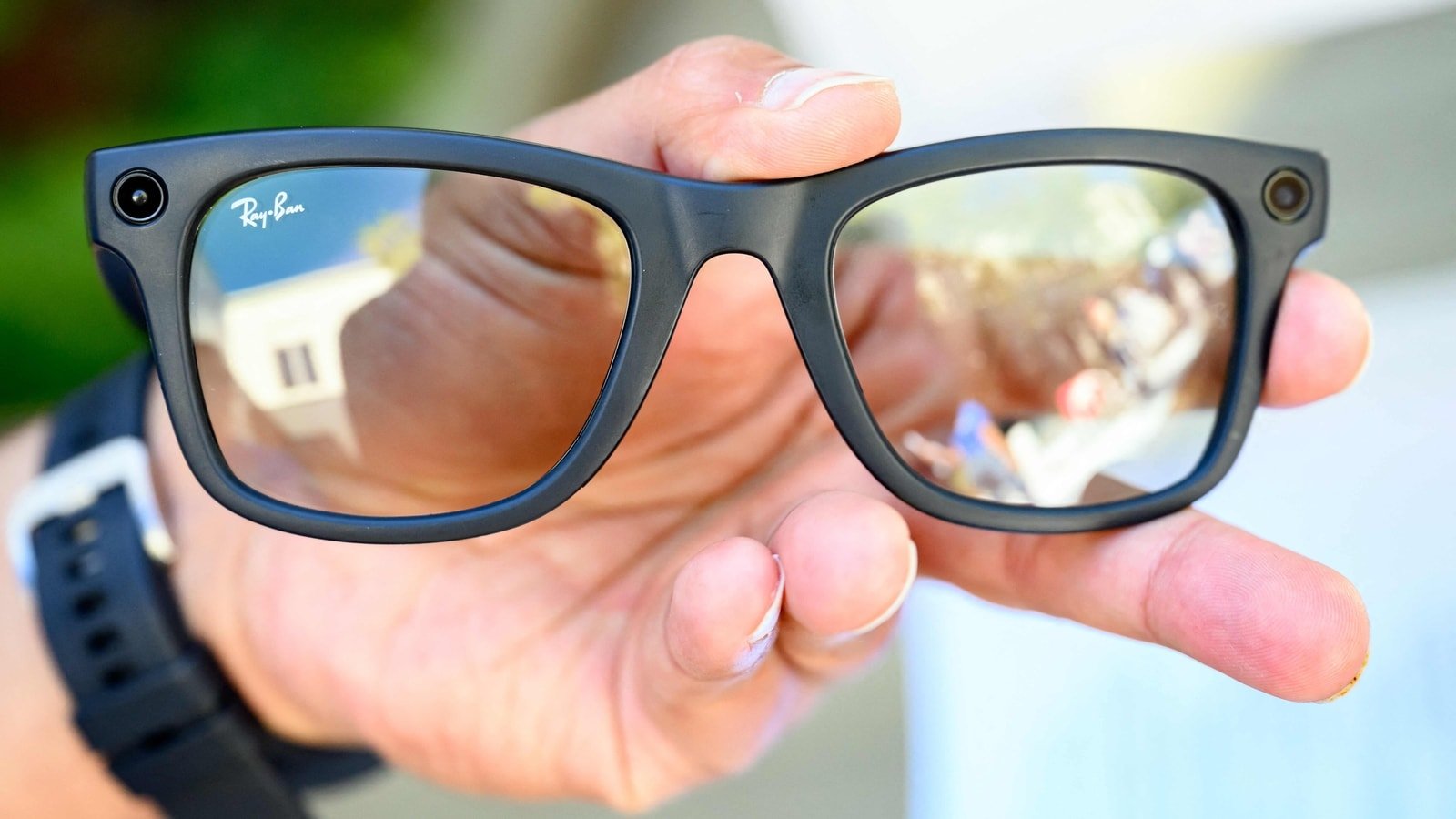
The only real giveaways are the small camera lens on the right temple and a subtle LED indicator light that shines when recording—a crucial and non-negotiable privacy feature. The charging case is also redesigned, now slimmer and more pocketable, providing up to eight full charges for a total of 36 hours of use. While the glasses themselves offer about four hours of mixed-use on a single charge, the case makes all-day power a reality. They are comfortable enough for extended wear, successfully passing the most important test: you’ll actually want to wear them.
Performance: A Tale of Two Sensors
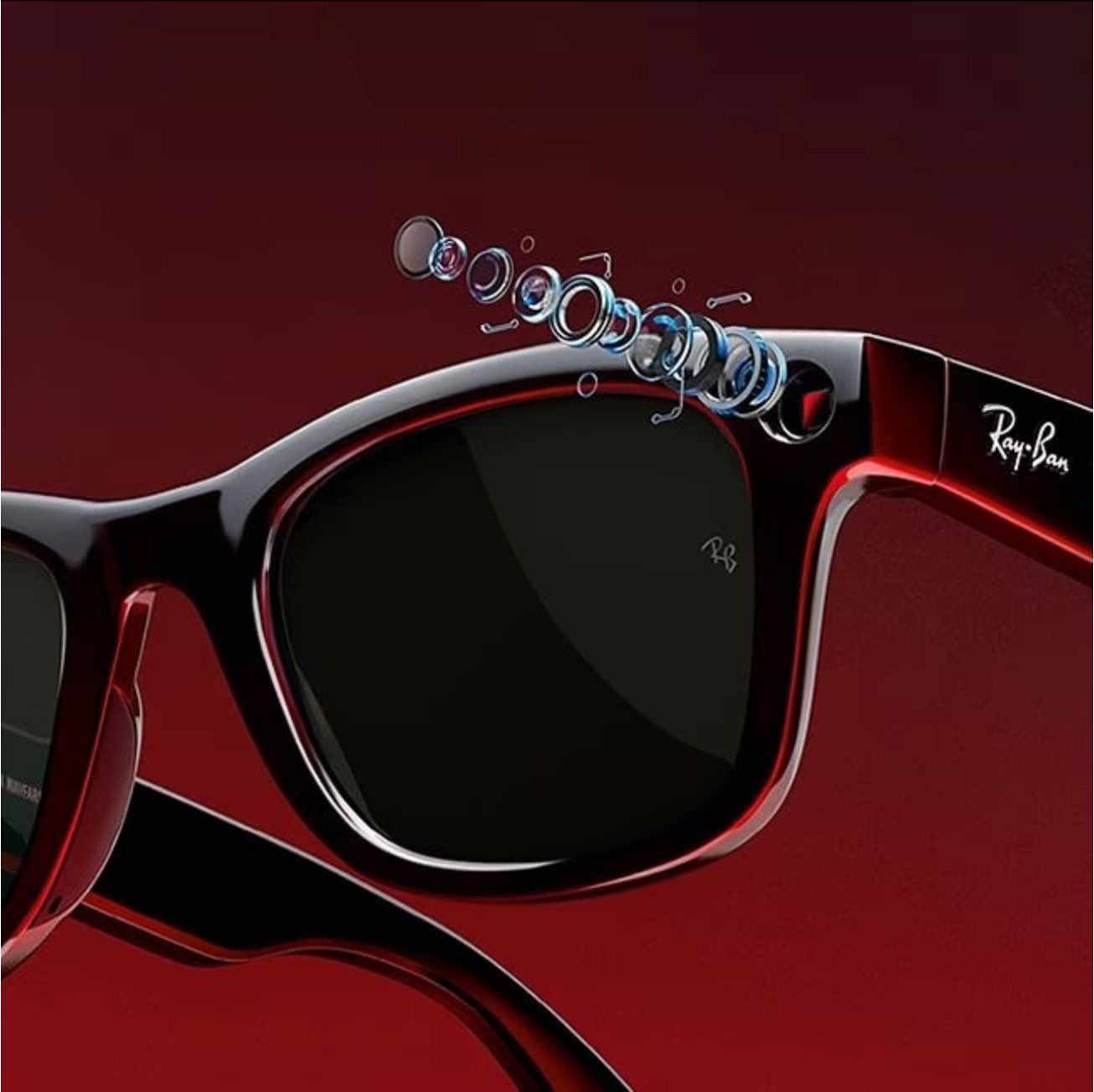
The “smart” in these glasses hinges on two key functions: capturing and listening. The camera gets a significant upgrade to a 12-megapixel ultrawide sensor. The result is surprisingly good. In decent lighting, photos are crisp, vibrant, and packed with detail, while 1080p video, now recordable at a smooth 60fps for up to 60 seconds, is stabilized and impressive for a device this small. The first-person perspective is inherently compelling, offering a unique “point-of-view” look at your life that a smartphone simply can’t replicate. Capturing content is seamless, either through a quick press of the button on the right arm or via a “Hey Meta” voice command.
Audio is handled by new open-ear speakers that direct sound toward your ears. For podcasts and phone calls, the quality is excellent. The new five-microphone array does a fantastic job of isolating your voice, even in windy conditions. For music, the experience is a compromise. The audio is clearer and has more bass than the previous generation, but it’s no replacement for dedicated earbuds. It’s more like having a personal, ambient soundtrack to your day. The open-ear design means you maintain full situational awareness, but it also means there’s significant audio bleed at higher volumes, so don’t expect to keep your playlist private on a quiet train.
Features and the Promise of AI
Beyond the core hardware, the software experience is what elevates these glasses. Livestreaming directly to Instagram or Facebook from the glasses is a game-changer for content creators, offering an immersive perspective that feels authentic and immediate. The Meta View app remains the clean, simple hub for importing your photos and videos, sharing them, and managing settings.
The most forward-looking feature is the integration of Meta AI (currently in beta and US-only). You can ask the AI questions, have it identify landmarks you’re looking at, or even help you draft a clever caption for a photo you just took. While the feature is still nascent and can be slow to respond, it provides a fascinating glimpse into a future of contextual, wearable AI assistants. It’s not a reason to buy the glasses today, but it’s an exciting promise of what’s to come.
The Verdict: A Smart Buy for the Right Person
The Ray-Ban Meta Smart Glasses are not a smartphone replacement, nor are they the all-encompassing AR device of science fiction. Instead, they are an exceptionally well-executed lifestyle gadget that nails its core mission: to let you stay present in the moment while still capturing it. They are for the parent who wants to record their child’s first steps without viewing it through a screen, the adventurer who wants to document a hike from their own perspective, or the content creator looking for a unique new tool.
If you are an audiophile seeking high-fidelity sound or someone expecting a full-blown heads-up display, this isn’t the product for you. But if you appreciate iconic design and want the most stylish, seamless, and user-friendly way to capture and share your world, these are hands-down the best smart glasses on the market. They’ve successfully bridged the gap between fashion and function, creating a product that feels less like a gadget and more like a natural extension of your daily life.
Where to Buy:
Ray-Ban Meta Glasses Quick Summary
Key Scores:
- Value: 92%
- Design: 95%
- Performance: 92%
- Quality: 91%
- Popularity: 93%
Top Pros
- ✅ Stylish design discreetly integrates advanced camera and audio technology.
- ✅ The upgraded 12MP camera captures surprisingly high-quality photos and video.
- ✅ Hands-free livestreaming offers a unique perspective for content creators.
- …
Key Cons
- ❌ Battery life requires frequent charging or reliance on the case.
- ❌ The open-ear audio design offers very little privacy for music.
- ❌ Low-light camera performance cannot compete with modern flagship smartphones.
- …