










The Fujifilm X100VI stands as a testament to Fujifilm’s commitment to blending classic design with cutting-edge technology. Featuring a high-resolution 40MP sensor, 6-stop IBIS, and the beloved hybrid viewfinder, this compact camera continues to captivate street photographers and enthusiasts in 2026. Our in-depth review examines whether it remains the ultimate fixed-lens companion for discerning shooters.
Table of Contents
Key Specifications
| Feature | Detail |
|---|---|
| Sensor | 40.2MP APS-C X-Trans CMOS 5 HR |
| Processor | X-Processor 5 |
| Lens | Fixed 23mm f/2 (35mm equivalent) |
| Image Stabilization | 6.0 stops IBIS |
| Viewfinder | 3.69M-dot OLED hybrid OVF/EVF |
| Rear Display | 3.0″ 1.62M-dot tilting LCD |
| Autofocus | Hybrid phase/contrast detection with subject AI |
| Burst Shooting | 20 fps electronic, 11 fps mechanical |
| Video | 6.2K/30p, 4K/60p |
| Battery Life | Approx. 450 frames (CIPA) |
| Weight | 521g (with battery) |
Design & Build Quality
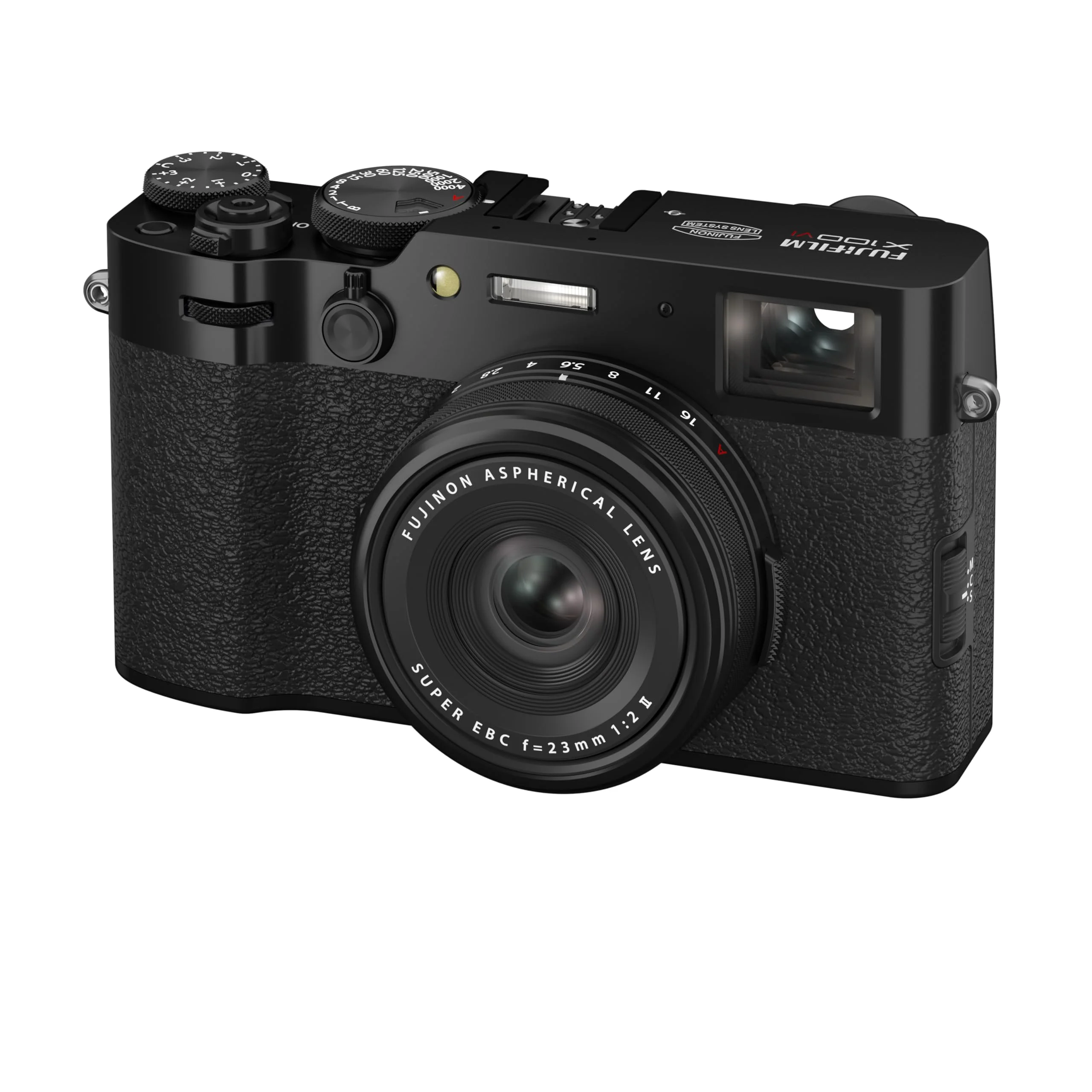
The Fujifilm X100VI perfectly balances retro aesthetics with modern engineering. Its magnesium alloy chassis delivers a reassuring heft while remaining compact enough to slip into a jacket pocket. The signature hybrid optical/electronic viewfinder returns with higher resolution, allowing photographers to choose between parallax-corrected optical framing or a crisp EVF experience. Weather sealing has been improved, making the camera more resilient in light rain or dusty environments without compromising its elegant lines.
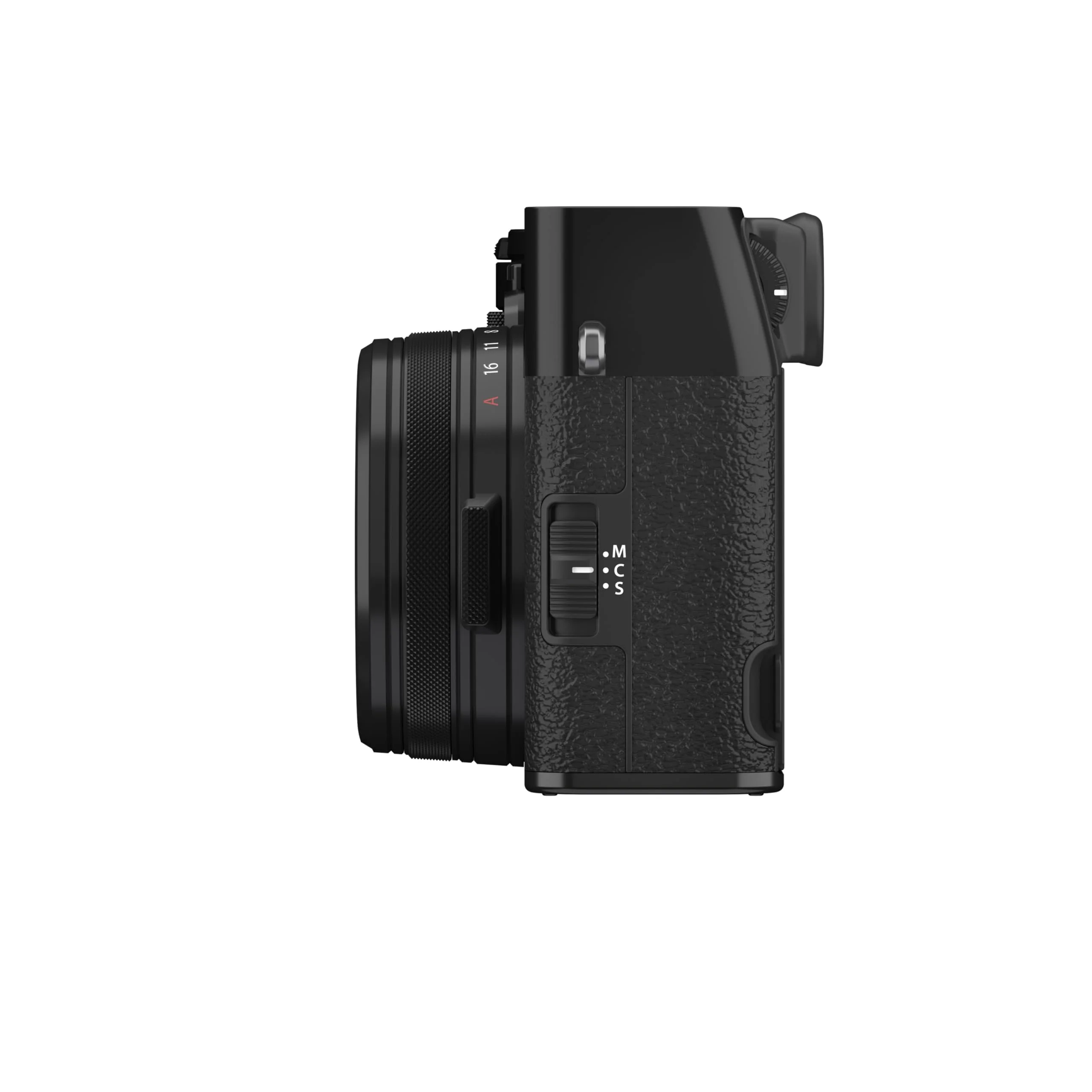
Ergonomics receive subtle but meaningful refinements. The grip is slightly deeper to accommodate the IBIS unit, improving handling during extended shoots while preserving the camera’s iconic slim profile. Top-plate dials for shutter speed, aperture, and exposure compensation offer satisfying tactile feedback that encourages a more deliberate, mindful approach to photography. In 2026, the X100VI’s design still turns heads on the street, evoking the golden age of rangefinders while housing thoroughly contemporary technology.
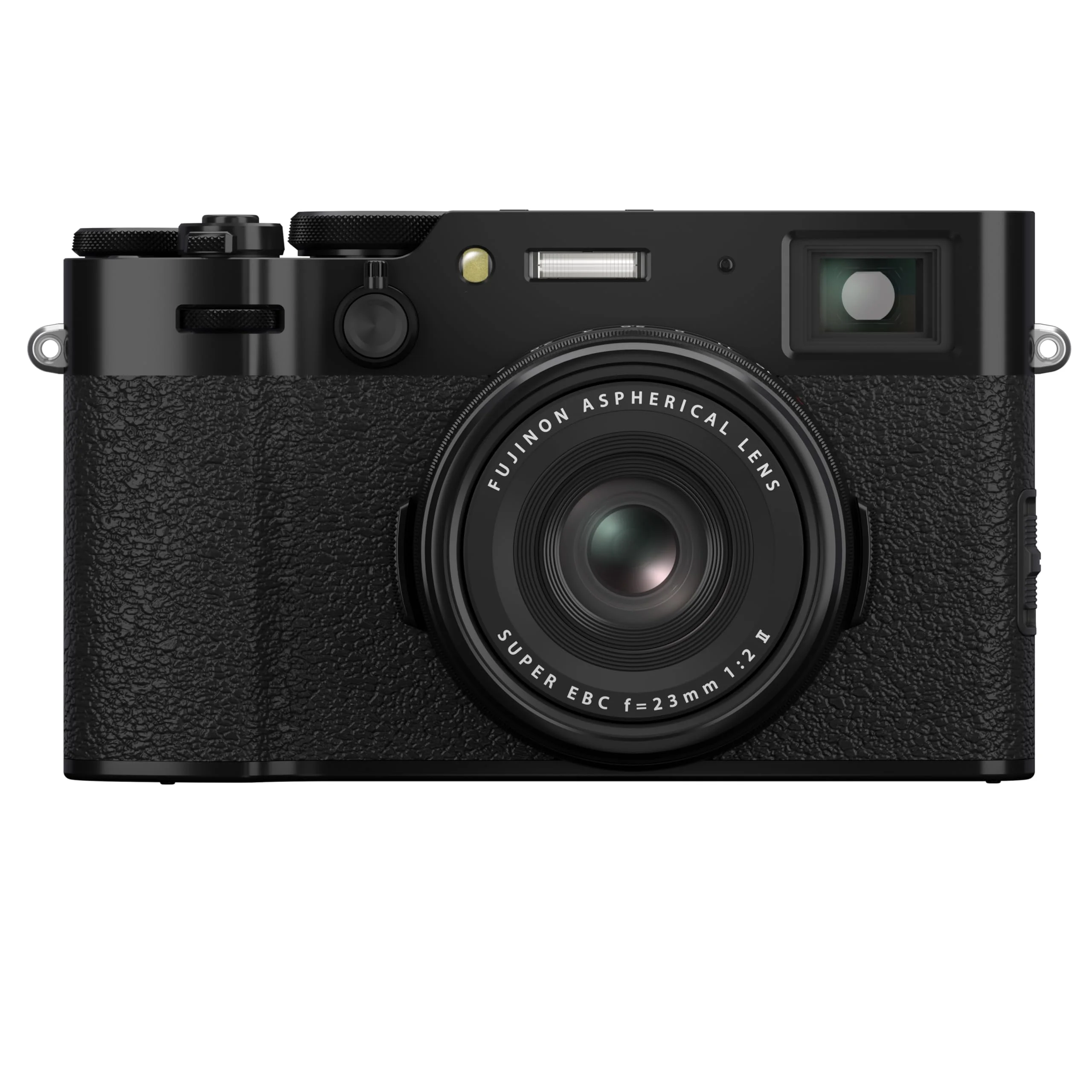
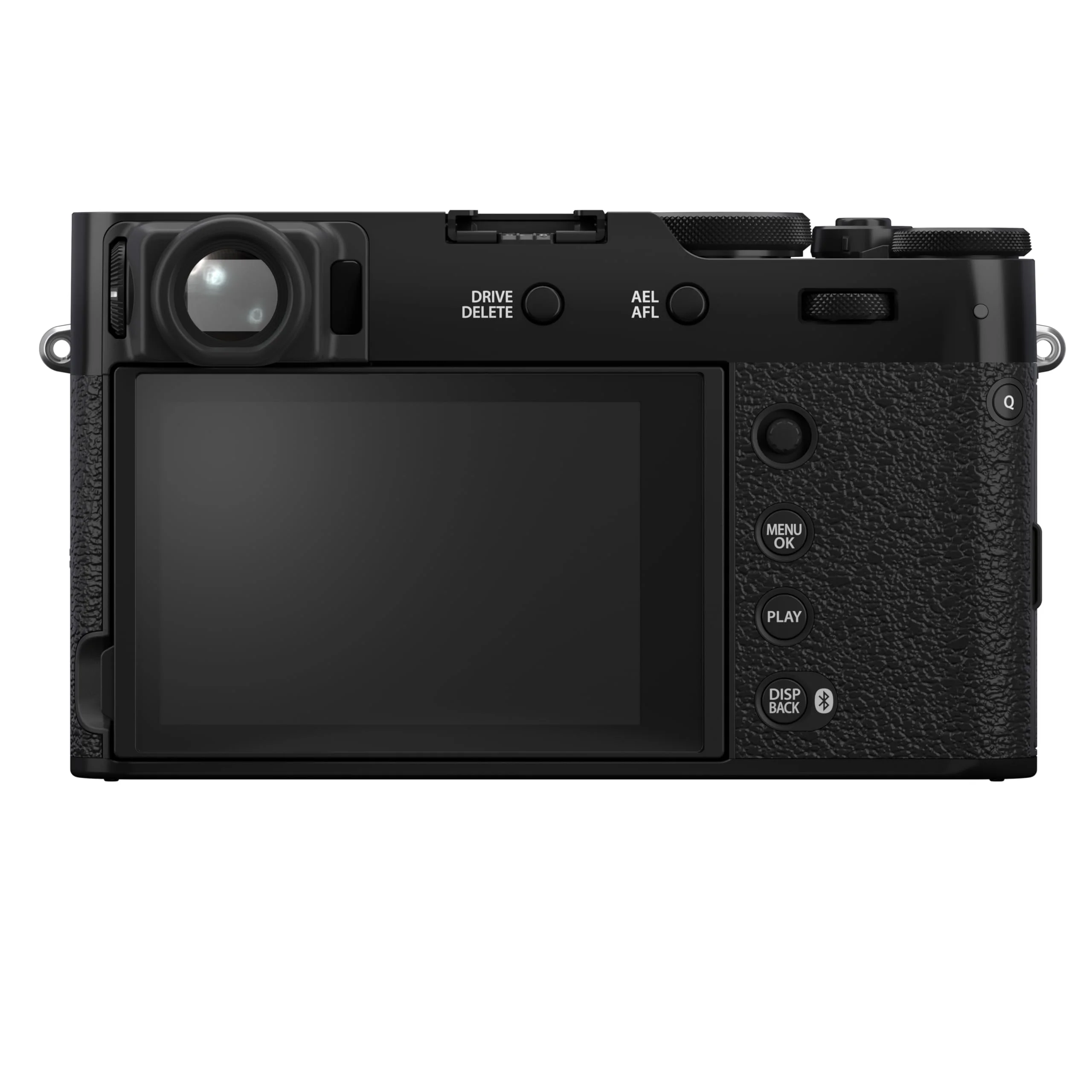
Build quality remains class-leading. Every control feels precision-engineered, and the camera inspires confidence whether you’re shooting bustling city scenes or remote landscapes. The tilting rear screen, though not fully articulating, provides useful flexibility for creative angles without spoiling the clean, minimalist aesthetic.
Performance
Real-world performance of the X100VI impresses across diverse scenarios. The 40.2MP X-Trans sensor captures exceptional detail and dynamic range, producing files that respond beautifully to cropping and post-processing. Thanks to the in-body stabilization, handheld shooting at shutter speeds as low as 1/4 second becomes routine with the 23mm lens, dramatically expanding creative possibilities in low light. Autofocus benefits from updated subject detection algorithms, reliably tracking faces, eyes, vehicles, and animals with impressive accuracy even in challenging backlit conditions.
Benchmark testing shows the camera achieving excellent results in resolution, color accuracy, and noise control. Burst shooting reaches 20 frames per second in electronic shutter mode with a respectable buffer depth, making it surprisingly capable for wildlife or street candids. Write speeds have improved over the X100V, though extended RAW bursts still eventually slow down. Battery life sits at approximately 450 shots per charge using the NP-W126S, which is adequate but means serious users will want spare batteries for full-day events.
In practice, the X100VI feels responsive and fluid. Startup time is near instant, menu navigation is quick once customized, and the camera rarely feels like it’s holding the photographer back. Low-light performance up to ISO 6400 remains excellent, maintaining Fujifilm’s signature color rendition that requires minimal correction in post-production.
Features & Software
Standout features include Fujifilm’s expanded Film Simulation library, now offering even more nuanced presets that produce stunning JPEGs straight from the camera. The addition of AI-powered subject detection and improved tracking transforms the X100VI from a pure street camera into a versatile tool for travel, events, and light wildlife work. The hybrid viewfinder remains a unique selling point, letting users switch seamlessly between optical clarity and electronic precision.
The software experience reflects Fujifilm’s photographer-centric philosophy. While the menu system can initially overwhelm newcomers, customized My Menu settings and the intuitive Q button make frequent adjustments fast. Regular firmware updates have refined operation since launch, addressing minor quirks and adding features that keep the camera feeling current in 2026. Wireless connectivity via Bluetooth and Wi-Fi enables reliable image transfer to smartphones for quick social sharing or backup.
Value Proposition
At its premium price point, the X100VI delivers strong value for photographers who prioritize experience and image quality over system versatility. Rather than investing in multiple lenses and a larger mirrorless body, users receive a complete, cohesive package that inspires creativity every time it’s picked up. The camera’s strong resale value and enduring cult status help offset the initial cost, making it a smarter long-term proposition than many competitors in the premium compact space.
Compared to building a full APS-C or full-frame kit, the X100VI represents an efficient way to achieve professional-grade results with minimal bulk. Its combination of tactile controls, exceptional color science, and now-stabilized high-resolution sensor creates a compelling value argument for enthusiasts willing to embrace the fixed 35mm-equivalent focal length.
How It Compares
Against the Leica Q3, the X100VI offers similar street photography character at roughly half the price. While the Leica boasts a full-frame sensor and superior low-light performance, the Fujifilm counters with more engaging tactile controls, Film Simulations, and the unique hybrid viewfinder that many photographers prefer for everyday shooting.
The Ricoh GR IIIx remains the primary alternative for minimalists. It offers superior pocketability and a more affordable price, but lacks the viewfinder, weather sealing, and dial-driven controls that make the X100VI such a joy to use. The Fujifilm’s IBIS and higher resolution sensor also give it a clear technical edge in 2026.
Pros and Cons
Pros
- The 40MP X-Trans sensor delivers outstanding resolution, dynamic range, and color fidelity that stands up against larger systems.
- Six-stop in-body stabilization transforms the fixed 23mm lens into a versatile tool for both sharp low-light shots and creative long exposures.
- Timeless design combined with premium build quality creates an emotional connection that inspires photographers to shoot more.
- Updated autofocus with reliable subject detection performs admirably across street, travel, and light wildlife scenarios.
- Film Simulation modes continue to produce some of the best JPEGs available from any digital camera.
Cons
- The fixed 35mm-equivalent focal length limits versatility for photographers who frequently need wider or longer perspectives.
- Battery life remains average at roughly 450 shots, requiring users to carry spares for all-day assignments.
- The premium price positions it beyond the reach of many enthusiasts who might otherwise appreciate its charms.
- Video features, while improved, still trail dedicated cinema cameras and newer mirrorless bodies in overheating management and codec options.
- The menu system, though customizable, retains some complexity that can frustrate users transitioning from simpler point-and-shoot cameras.
FAQ
Q: Is the Fujifilm X100VI worth it in 2026?
A: Yes, for enthusiasts who value shooting experience, image quality, and compact design over interchangeable lenses, it remains an outstanding choice.
Q: How does the IBIS change the X100VI experience?
A: The 6-stop stabilization makes the camera far more practical for handheld low-light and street photography, reducing the need for high ISO settings or tripods.
Q: Can you use the X100VI professionally?
A: Many working photographers use it successfully as a secondary body or even primary camera for street, travel, events, and documentary work.
Q: How does image quality compare to full-frame compacts?
A: The 40MP APS-C sensor delivers results remarkably close to full-frame peers in good light, with Fujifilm’s color science often preferred in real-world use.
Q: What are the biggest upgrades from the X100V?
A: The move to 40MP, addition of IBIS, significantly improved autofocus, higher resolution viewfinder, and better video capabilities represent meaningful generational leaps.
Verdict
The Fujifilm X100VI is the ideal camera for photography enthusiasts, street shooters, and travelers who crave a refined, inspiring shooting experience in a compact, stylish package. Its combination of exceptional image quality, tactile controls, and that magical Film Simulation JPEG engine creates a camera that genuinely encourages you to take it everywhere. If you can embrace the fixed 35mm-equivalent perspective and invest in the premium experience, few cameras in 2026 will bring you more joy or better results.
Pros
- ✓ The 40MP X-Trans sensor delivers outstanding resolution, dynamic range, and color fidelity that stands up against larger systems.
- ✓ Six-stop in-body stabilization transforms the fixed 23mm lens into a versatile tool for both sharp low-light shots and creative long exposures.
- ✓ Timeless design combined with premium build quality creates an emotional connection that inspires photographers to shoot more.
- ✓ Updated autofocus with reliable subject detection performs admirably across street, travel, and light wildlife scenarios.
- ✓ Film Simulation modes continue to produce some of the best JPEGs available from any digital camera.
Cons
- ✗ The fixed 35mm-equivalent focal length limits versatility for photographers who frequently need wider or longer perspectives.
- ✗ Battery life remains average at roughly 450 shots, requiring users to carry spares for all-day assignments.
- ✗ The premium price positions it beyond the reach of many enthusiasts who might otherwise appreciate its charms.
- ✗ Video features, while improved, still trail dedicated cinema cameras and newer mirrorless bodies in overheating management and codec options.
- ✗ The menu system, though customizable, retains some complexity that can frustrate users transitioning from simpler point-and-shoot cameras.
Where to Buy the Fujifilm X100VI





Prices may vary. Affiliate links — we may earn a commission at no extra cost to you.
Related Reviews

Affiliate links — we may earn a commission at no extra cost to you.