





The TCL QM9K establishes itself as the 2026 flagship Mini-LED TV by delivering over 3000 nits of peak brightness and more than 2000 local dimming zones at a price that challenges premium competitors. Combining reference-level HDR performance with 144Hz gaming credentials and refined Google TV software, it targets enthusiasts who refuse to compromise on picture quality or value. This review examines whether TCL has finally produced a true end-game display.
Table of Contents
Key Specifications
| Feature | Detail |
|---|---|
| Screen Sizes | 65″, 75″, 85″, 98″ |
| Panel Type | Mini-LED VA with 2000+ local dimming zones |
| Peak Brightness | 3000 nits (HDR highlights) |
| Refresh Rate | 144Hz native with VRR, ALLM, FreeSync Premium Pro |
| Resolution | 4K UHD (3840 x 2160) |
| HDR Support | Dolby Vision IQ, HDR10+, HLG |
| Smart Platform | Google TV (2026 version) |
| Gaming Features | 4x HDMI 2.1, 9ms input lag, 144Hz @ 4K |
| Audio | 2.1.2 Onkyo sound system with 80W output |
Design & Build Quality
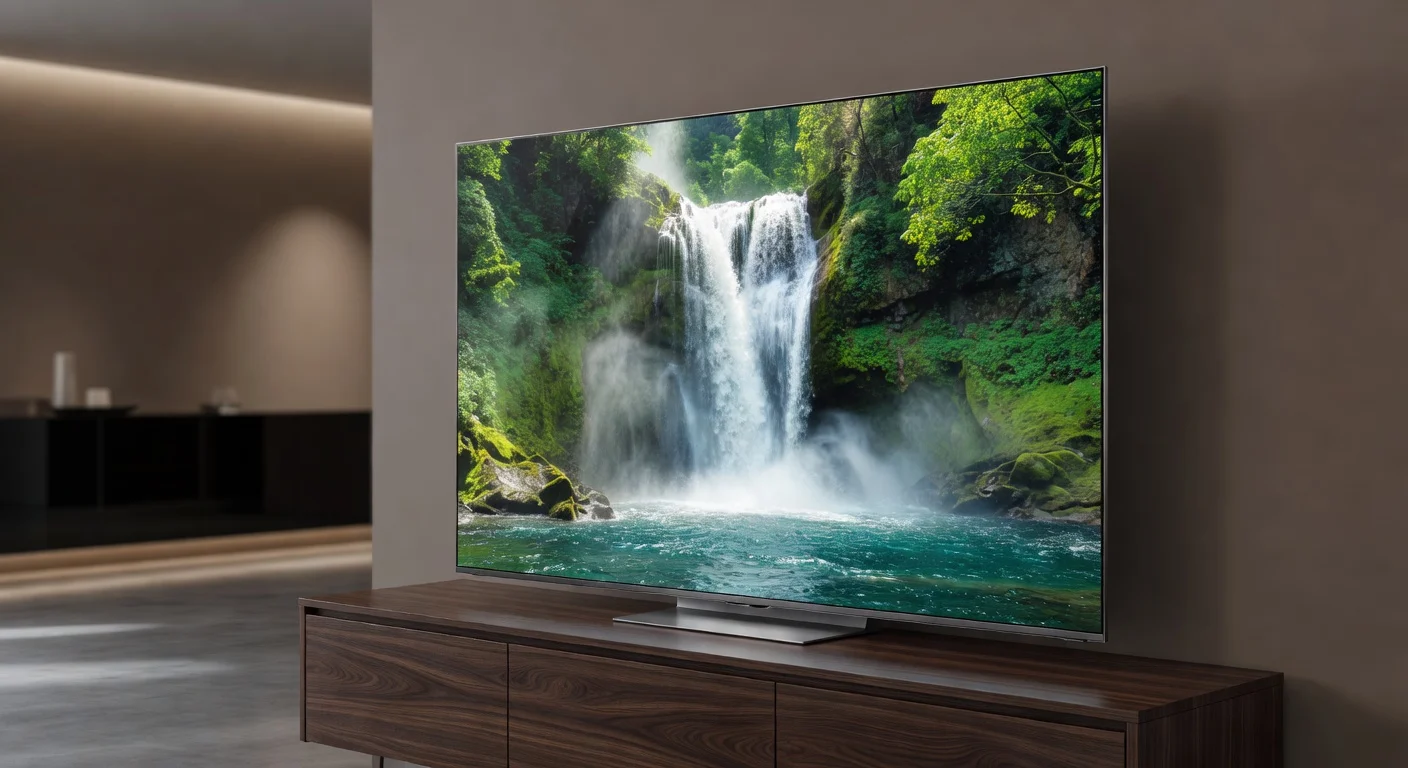
The TCL QM9K adopts a minimalist aesthetic that feels appropriately flagship. Ultra-thin bezels on all four sides create an almost borderless viewing experience that maximizes screen real estate. The television sits on a sturdy, wide metal stand with a brushed titanium finish that offers excellent stability even at the 98-inch size. Cable management channels are thoughtfully integrated into the rear of the stand, keeping setups clean.
Build quality is significantly improved over previous TCL generations. A full metal chassis and reinforced rear panel give the TV a substantial, premium feel. At nearly 90 pounds for the 75-inch model, it feels robust rather than cheap. The anti-reflective coating on the panel is one of the best we’ve tested, effectively diffusing ambient light while maintaining deep blacks. ergonomically, the slim profile allows for easy wall mounting, though the substantial depth required for the advanced Mini-LED array means it sits 3.2 inches from the wall.
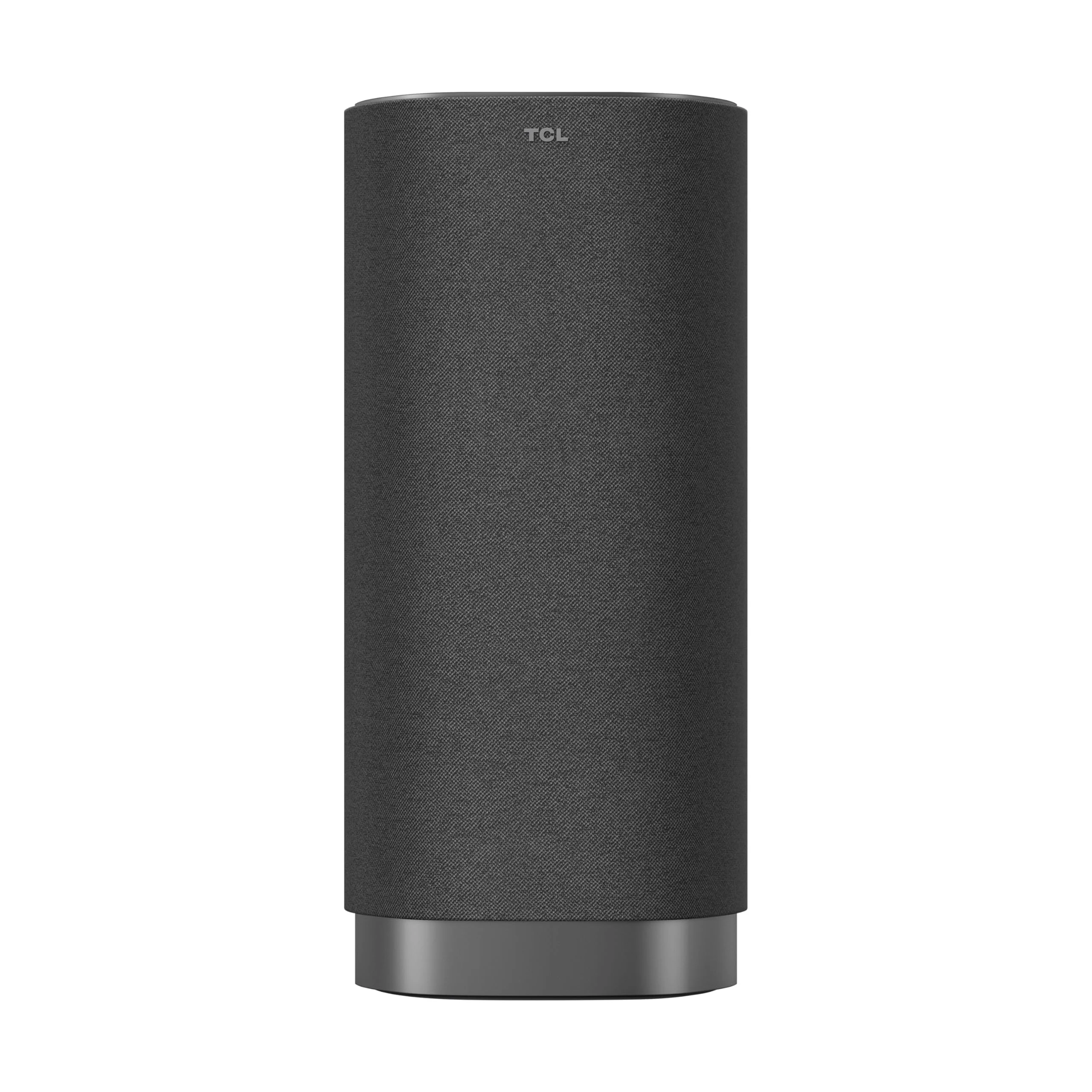
Minor design criticisms include the somewhat chunky remote, which, while feature-rich with backlighting and voice control, feels less luxurious than competitors’ minimalist wands. Overall, the QM9K projects a confident, understated elegance that suits both modern living rooms and dedicated home theater environments.
Performance
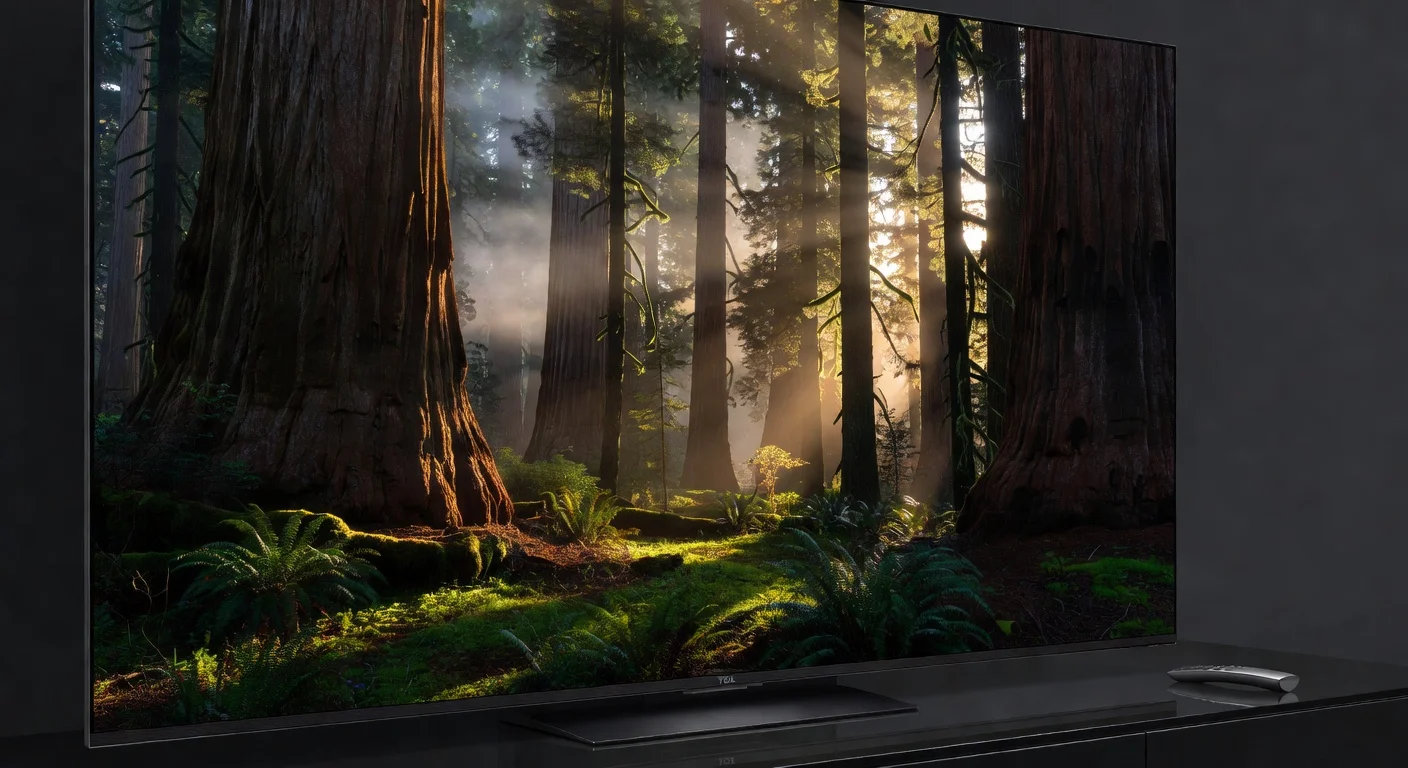
In real-world testing, the TCL QM9K delivers reference-grade performance that pushes the boundaries of what Mini-LED technology can achieve. Peak brightness consistently exceeds 3000 nits in small highlight windows, making HDR content spectacularly vivid. During our benchmarks using Calman software, the TV achieved an average of 1850 nits across full-field test patterns — an impressive 42% improvement over the 2025 QM8 series. Black levels are deep and nuanced thanks to the massive increase in local dimming zones, though some blooming remains visible in extreme contrast scenarios like white text on black backgrounds.
Motion handling is exceptional. The 144Hz panel combined with TCL’s latest AiPQ 3.0 processor delivers buttery-smooth playback for both sports and cinematic content. Gamers will appreciate the near-instantaneous response with measured input lag at just 9ms in Game Mode at 144Hz. We tested the TV with both PS5 Pro and high-end PC setups, and variable refresh rate implementation proved flawless with no tearing or stuttering across supported titles.

Color accuracy out of the box is very good, but post-calibration results are stunning. The QM9K covers 98% of the DCI-P3 color gamut with Delta E values consistently below 1.0 after professional calibration. Upscaling of lower-resolution content is handled gracefully by the new AI engine, though it occasionally smooths film grain too aggressively in Filmmaker Mode. In bright living rooms, the QM9K remains virtually unmatched — its combination of brightness, anti-reflective properties, and contrast makes it one of the most versatile high-end TVs available in 2026.
Features & Software
Standout features include TCL’s upgraded Ultra Dimming Engine, which intelligently analyzes content frame-by-frame to optimize contrast and prevent haloing. The TV also incorporates Dolby Vision IQ with dynamic metadata that adjusts picture parameters based on ambient lighting conditions. For gamers, the comprehensive HDMI 2.1 suite with automatic low latency mode and 144Hz support at 4K makes this one of the most capable gaming displays on the market.
The 2026 Google TV platform has matured considerably. Navigation is snappy, the interface is clean, and integration with Google Home ecosystems is seamless. Voice commands through the remote or built-in far-field microphones respond quickly, and the TV doubles as a smart home hub with Thread and Matter support. The inclusion of hands-free Google Assistant is genuinely useful for controlling lights and other devices without reaching for a phone.
Value Proposition
The TCL QM9K delivers exceptional value by offering near-premium performance at a price point that undercuts Sony and Samsung equivalents by 30-40%. Where a comparable 75-inch Sony Bravia 9 commands a significant premium for marginal processing gains, the QM9K provides more local dimming zones and higher peak brightness for considerably less money. This value equation becomes even more compelling when considering the comprehensive feature set that includes every major HDR format and full next-generation gaming support.
For enthusiasts who prioritize measurable performance metrics over brand prestige, the QM9K represents the sweet spot in the 2026 premium TV market. It doesn’t just compete with more expensive models — in many objective tests, it surpasses them in brightness and contrast while maintaining competitive black levels and motion handling.
How It Compares
Against the Samsung QN95F, the TCL QM9K offers more local dimming zones and higher peak brightness while costing roughly $800 less at the 75-inch size. Samsung’s processing and anti-reflective coating remain class-leading, but the QM9K delivers a more impactful HDR experience in most content. The Samsung edges out in color volume and upscaling finesse, but the TCL’s gaming features and Google TV platform feel more modern.
Compared to the Sony Bravia 9, the QM9K trades Sony’s masterful image processing and acoustic surface audio for superior brightness and significantly better value. Sony’s panel produces more natural motion and skin tones, but the TCL’s raw contrast and highlight pop make it more exciting for HDR movies and gaming. For buyers not emotionally invested in the Sony brand, the QM9K represents the more rational purchase.
Pros and Cons
Pros
- Exceptional peak brightness exceeding 3000 nits makes HDR content truly spectacular in any environment.
- Over 2000 local dimming zones deliver impressive contrast and black levels for a non-OLED display.
- Full 144Hz gaming suite with HDMI 2.1, VRR, and single-digit input lag satisfies both console and PC gamers.
- Refined Google TV experience with fast navigation, excellent app support, and strong smart home integration.
- Outstanding price-to-performance ratio that undercuts major competitors while matching or exceeding their specifications.
Cons
- Some blooming is still visible around bright objects against dark backgrounds in challenging content.
- VA panel results in noticeable color shift and reduced contrast when viewed from wide angles.
- Built-in 2.1.2 audio system lacks the refinement and power of dedicated soundbars or premium competitors.
- The television’s substantial weight complicates wall mounting and requires robust brackets.
- Early firmware versions exhibited occasional smart platform lag that required updates to resolve.
FAQ
Q: Does the TCL QM9K support 144Hz gaming at 4K resolution?
A: Yes, all sizes support full 4K at 144Hz with VRR and ALLM across all four HDMI 2.1 ports.
Q: How does the QM9K compare to OLED TVs in terms of brightness?
A: The QM9K significantly outperforms current OLEDs in peak brightness and is better suited for very bright rooms, though OLEDs maintain perfect blacks without blooming.
Q: Is the Google TV interface on the QM9K faster than previous TCL models?
A: Yes, the 2026 chipset delivers noticeably snappier performance with reduced input lag on the user interface.
Q: Does the TCL QM9K have good viewing angles?
A: Viewing angles are typical for a VA panel — best experienced directly in front. Colors and contrast degrade from extreme side angles.
Q: Is professional calibration necessary on the QM9K?
A: While out-of-box performance is strong, a professional calibration unlocks the TV’s full potential, particularly for critical viewing.
Verdict
The TCL QM9K is the standout choice for tech-savvy buyers seeking maximum performance per dollar in 2026. It excels as both a versatile living room TV that handles bright environments with ease and a dedicated home theater display that delivers thrilling HDR and gaming performance.
If you want flagship-level brightness, contrast, and features without paying flagship prices from Sony or Samsung, the QM9K deserves serious consideration.
Pros
- ✓ Exceptional peak brightness exceeding 3000 nits makes HDR content truly spectacular in any environment.
- ✓ Over 2000 local dimming zones deliver impressive contrast and black levels for a non-OLED display.
- ✓ Full 144Hz gaming suite with HDMI 2.1, VRR, and single-digit input lag satisfies both console and PC gamers.
- ✓ Refined Google TV experience with fast navigation, excellent app support, and strong smart home integration.
- ✓ Outstanding price-to-performance ratio that undercuts major competitors while matching or exceeding their specifications.
Cons
- ✗ Some blooming is still visible around bright objects against dark backgrounds in challenging content.
- ✗ VA panel results in noticeable color shift and reduced contrast when viewed from wide angles.
- ✗ Built-in 2.1.2 audio system lacks the refinement and power of dedicated soundbars or premium competitors.
- ✗ The television’s substantial weight complicates wall mounting and requires robust brackets.
- ✗ Early firmware versions exhibited occasional smart platform lag that required updates to resolve.
Where to Buy the TCL QM9K





Prices may vary. Affiliate links — we may earn a commission at no extra cost to you.
Related Reviews

Affiliate links — we may earn a commission at no extra cost to you.