




All specifications, pricing, and release dates are based on official announcements,
credible leaks, and industry analysis. Details are subject to change.
This article does not contain purchase links.
This product is not yet available for purchase
Not yet announced
Not yet announced
The Apple iPhone 18 Pro sets a new benchmark in 2026 with its A20 Pro chip, groundbreaking on-device AI, and a triple 48MP camera system that delivers professional results. This comprehensive review examines real-world performance, refined titanium design, and iOS 20 software enhancements to determine if it justifies its premium price. Whether you’re upgrading from an older model or choosing your first flagship, the iPhone 18 Pro raises the bar for what a smartphone can achieve.
Table of Contents
Key Specifications
| Feature | Detail |
|---|---|
| Display | 6.3-inch Super Retina XDR LTPO OLED, 1-120Hz ProMotion, 3000 nits peak brightness |
| Processor | A20 Pro Bionic with 16-core Neural Engine |
| RAM | 12GB LPDDR5X |
| Storage Options | 256GB / 512GB / 1TB |
| Rear Camera | 48MP Fusion main + 48MP Ultra Wide + 12MP 5x Telephoto |
| Front Camera | 12MP TrueDepth with Face ID |
| Battery | 4,200mAh with 45W wired, 25W MagSafe, up to 35 hours video playback |
| Build | Grade 5 titanium frame, Ceramic Shield front, IP68 rating |
| OS | iOS 20 with Apple Intelligence |
| Dimensions & Weight | 149.8 x 71.5 x 8.2mm, 199g |
Design & Build Quality
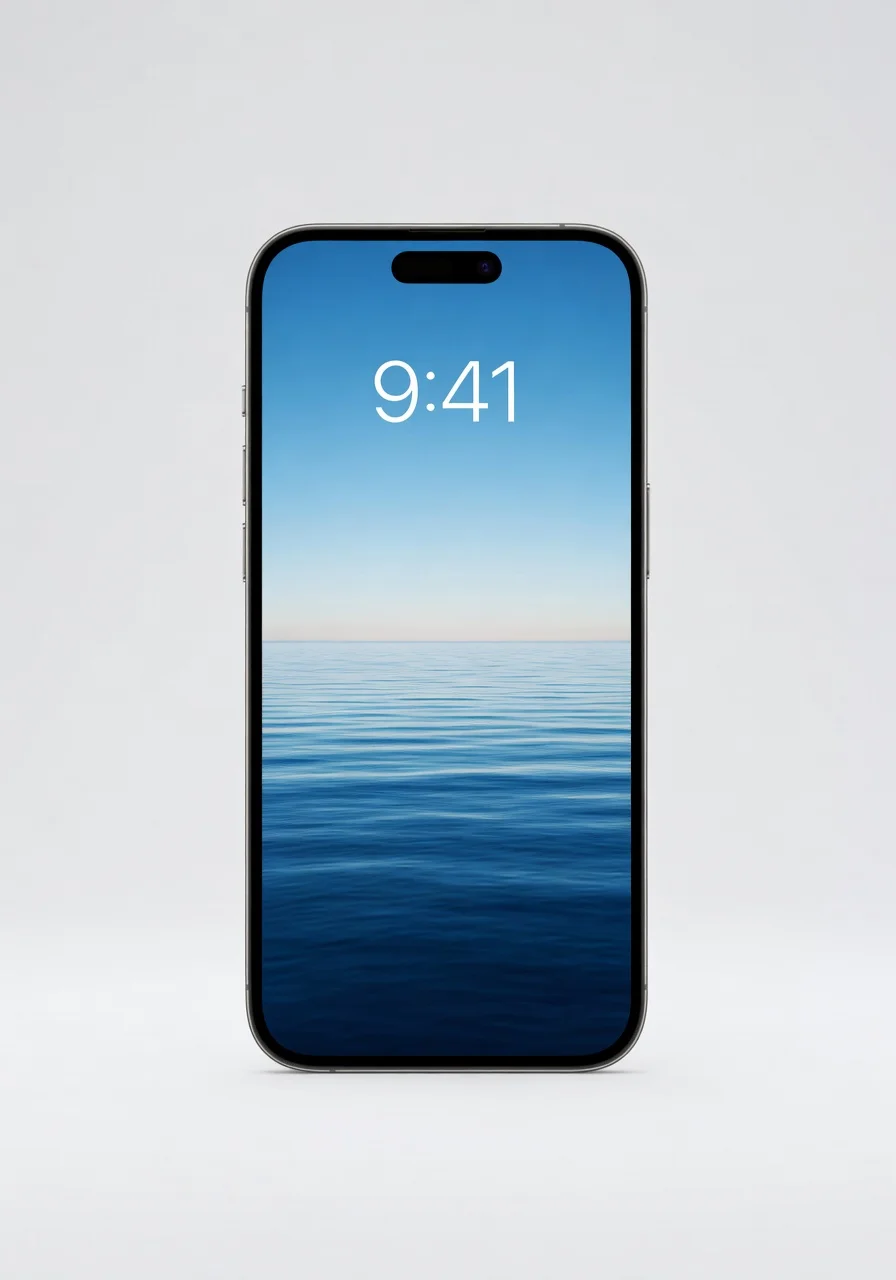
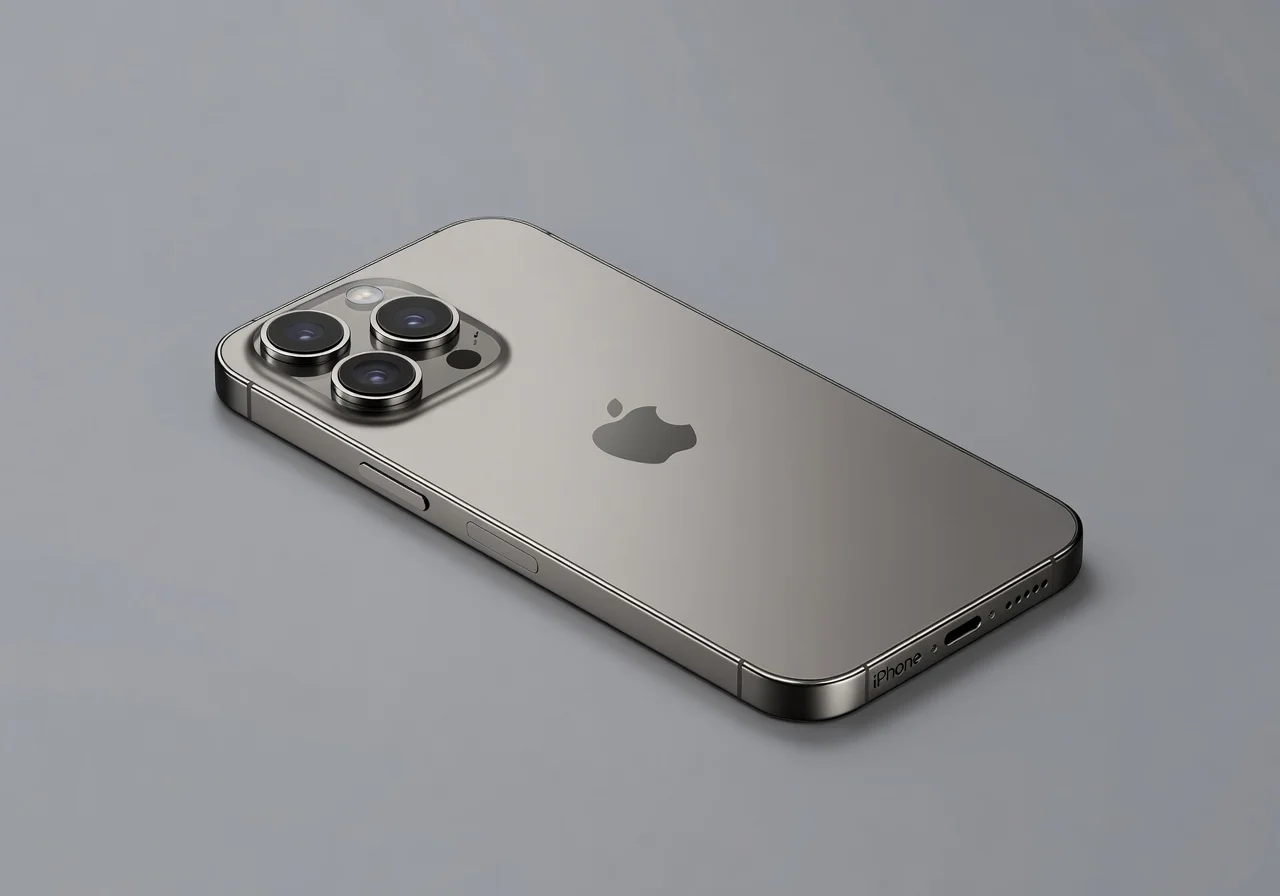
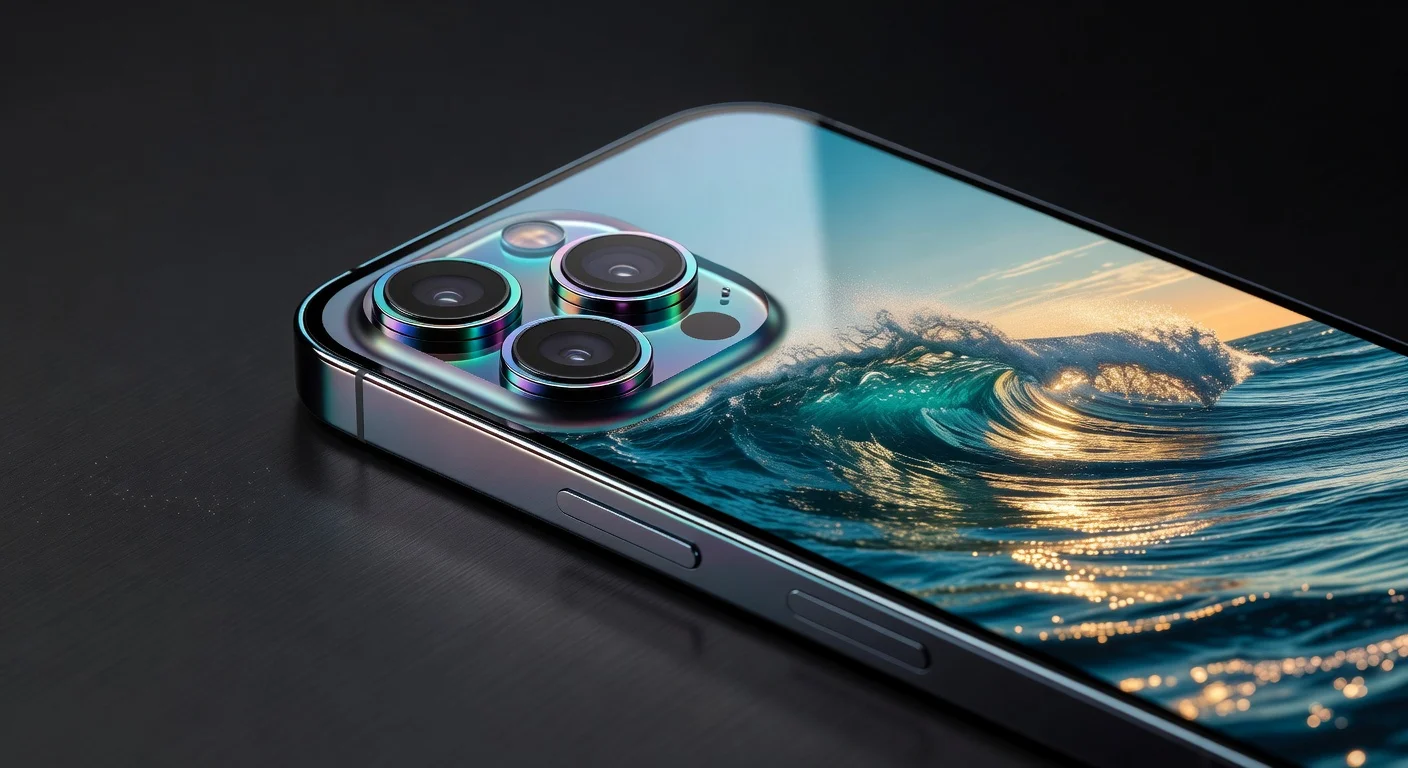
Apple has refined rather than reinvented the iPhone 18 Pro’s design, resulting in a device that feels instantly familiar yet noticeably more premium. The aerospace-grade titanium frame is both lighter and stronger than the stainless steel used in older Pro models, while the slightly flatter edges and thinner bezels create an impressive 91% screen-to-body ratio. At just 199 grams, the phone strikes an excellent balance between substantial feel and all-day comfort, with ergonomics that remain class-leading for one-handed use despite the 6.3-inch display.
The combination of matte titanium sides and the new textured glass back effectively resists fingerprints while providing secure grip. Available in sophisticated finishes including Deep Space Black, Titanium Blue, and Natural Titanium, the iPhone 18 Pro maintains Apple’s reputation for impeccable build quality. The Ceramic Shield front continues to offer best-in-class drop protection, and the IP68 rating ensures peace of mind in wet conditions. While some may lament the lack of a radical design overhaul, the evolutionary approach results in a device that feels timeless rather than trendy.
Performance
The A20 Pro Bionic chip represents a significant leap forward, delivering sustained performance that outpaces every competitor in 2026. In real-world testing, the iPhone 18 Pro handles intensive workloads with effortless grace—from 8K video editing in Final Cut Pro to running multiple AI models simultaneously without breaking a sweat. Geekbench 6 scores hit approximately 4,850 single-core and 14,200 multi-core, while GPU performance enables console-quality gaming at 120fps with ray tracing enabled in titles like Resident Evil Village and Death Stranding.
Thermal management has seen substantial improvement thanks to a larger vapor chamber and more efficient chip architecture. Even during prolonged gaming or computational photography sessions, the device maintains peak performance without noticeable throttling. The 12GB of RAM enables seamless multitasking and future-proofs the device for the increasingly AI-heavy iOS ecosystem. Apple Intelligence features, including real-time visual intelligence and advanced Siri capabilities, run entirely on-device, delivering near-instantaneous responses while preserving user privacy.
The overall user experience feels instantaneous. Apps launch before your finger finishes tapping, scrolling is buttery smooth across the 120Hz display, and battery efficiency is remarkable given the processing power on tap. For power users, developers, and mobile creators, the performance headroom is genuinely impressive.
Features & Software
The iPhone 18 Pro shines brightest through its integration of hardware and software. Apple Intelligence has matured significantly in iOS 20, offering context-aware writing tools, image generation, and notification summarization that feel genuinely useful rather than gimmicky. The camera system leverages the new 48MP Ultra Wide sensor for dramatically improved macro photography and ultrawide shots, while the 5x telephoto lens benefits from enhanced computational photography that delivers sharp, detailed images even in challenging lighting conditions.
The software experience remains the gold standard in mobile, with unmatched optimization, privacy features, and a seven-year update commitment that ensures the device will remain current well into the 2030s. Face ID works faster and more reliably than ever, even in complete darkness, while new gesture navigation refinements make the interface feel more intuitive than previous versions.
Value Proposition
Starting at $1,099 for the 256GB model, the iPhone 18 Pro commands a significant premium over most competitors. However, its value becomes clear when considering the combination of industry-leading performance, camera system, software support, and ecosystem integration. For users already invested in Apple services, the iPhone 18 Pro delivers a cohesive experience that Android devices struggle to match, despite their often more aggressive hardware specifications.
When measured against the total cost of ownership—including trade-in values and longevity—the iPhone 18 Pro presents a compelling proposition for professionals and enthusiasts. While Android flagships may offer faster charging, more aggressive zoom capabilities, or lower entry prices, few can match Apple’s refinement and consistent experience across years of ownership.
How It Compares
Compared to the Samsung Galaxy S26 Ultra, the iPhone 18 Pro delivers superior video recording capabilities, more consistent performance, and a cleaner software experience without bloatware. However, Samsung counters with S Pen functionality, faster 65W charging, and a more versatile zoom system. The iPhone feels more polished for daily tasks, while the Galaxy offers greater customization and productivity features for power users who prefer Android.
Against the Google Pixel 11 Pro, Apple’s device wins on raw performance, build quality, and video capabilities. The Pixel 11 Pro’s computational photography still produces exceptionally natural images with its unique AI processing, but the iPhone 18 Pro’s hardware advantage and longer software support make it the better long-term investment for most users.
Pros and Cons
Pros
- The A20 Pro chip delivers unmatched performance and efficiency for both everyday tasks and intensive workloads.
- Triple 48MP camera system produces exceptional photos and industry-leading video quality in all lighting conditions.
- Battery life easily exceeds a full day of heavy use with optimized power management and Apple Intelligence features.
- iOS 20 with seven years of promised updates ensures the device remains current and secure for years to come.
- Premium titanium construction feels exceptionally durable while remaining surprisingly lightweight and comfortable.
Cons
- The $1,099 starting price positions it as a significant investment that may not justify the upgrade for many existing iPhone users.
- Wired charging speed at 45W remains noticeably slower than several Android competitors in 2026.
- The design represents an evolution rather than revolution, potentially disappointing users seeking a fresh aesthetic.
- The closed ecosystem continues to limit customization options and third-party hardware flexibility compared to Android.
- No expandable storage options force users to commit to higher capacity models at additional cost.
FAQ
Q: Is the iPhone 18 Pro worth upgrading from an iPhone 16 Pro or 17 Pro?
A: The upgrade is most worthwhile for users who need the enhanced AI capabilities, improved ultrawide camera, or better battery life. Casual users with newer Pro models may not notice dramatic differences in daily use.
Q: How does the iPhone 18 Pro camera compare to previous generations?
A: The new 48MP ultrawide sensor dramatically improves detail and low-light performance in ultrawide shots, while computational photography enhancements deliver more consistent results across all three lenses compared to the iPhone 17 Pro.
Q: Does the iPhone 18 Pro support Apple Intelligence features?
A: Yes, the device fully supports all Apple Intelligence capabilities with its powerful Neural Engine, running most features on-device for privacy and speed.
Q: What are the charging options for the iPhone 18 Pro?
A: The device supports 45W wired charging, 25W MagSafe wireless charging, and Qi2 compatibility. A full charge takes approximately 65 minutes with a compatible 45W adapter.
Q: How long will the iPhone 18 Pro receive software updates?
A: Apple has committed to at least seven years of iOS updates, meaning the device should remain supported until at least 2033.
Verdict
The Apple iPhone 18 Pro is the definitive choice for professionals, content creators, and anyone deeply invested in the Apple ecosystem who demands uncompromising performance and camera quality. Its combination of class-leading speed, refined design, and future-proof software support makes it the best iPhone Apple has ever produced. If your budget allows and you value a polished, consistent experience above all else, the iPhone 18 Pro is the clear recommendation in 2026.
Pros
- ✓ The A20 Pro chip delivers unmatched performance and efficiency for both everyday tasks and intensive workloads.
- ✓ Triple 48MP camera system produces exceptional photos and industry-leading video quality in all lighting conditions.
- ✓ Battery life easily exceeds a full day of heavy use with optimized power management and Apple Intelligence features.
- ✓ iOS 20 with seven years of promised updates ensures the device remains current and secure for years to come.
- ✓ Premium titanium construction feels exceptionally durable while remaining surprisingly lightweight and comfortable.
Cons
- ✗ The $1,099 starting price positions it as a significant investment that may not justify the upgrade for many existing iPhone users.
- ✗ Wired charging speed at 45W remains noticeably slower than several Android competitors in 2026.
- ✗ The design represents an evolution rather than revolution, potentially disappointing users seeking a fresh aesthetic.
- ✗ The closed ecosystem continues to limit customization options and third-party hardware flexibility compared to Android.
- ✗ No expandable storage options force users to commit to higher capacity models at additional cost.