Tech Essentials






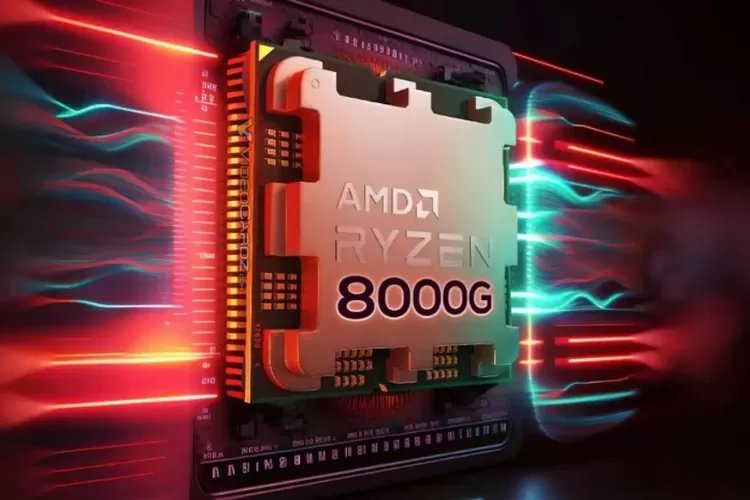
For years, integrated graphics have been a compromise, but AMD’s latest APUs aim to shatter that perception entirely. The Ryzen 8000G series arrives on the modern AM5 platform, promising a genuine 1080p gaming experience without the need for a dedicated graphics card. This isn’t just an incremental update; it’s a potential game-changer for budget builds and compact systems.
The AMD Ryzen 8000G series, codenamed “Phoenix,” represents a significant leap forward for Accelerated Processing Units (APUs). By combining powerful Zen 4 CPU cores with cutting-edge RDNA 3 graphics on a single chip, AMD has created a compelling all-in-one solution. The flagship Ryzen 7 8700G, with its 8 cores, 16 threads, and Radeon 780M integrated GPU, is the star of the show. In our testing, it delivered playable frame rates in a surprising number of modern games at 1080p with low to medium settings. Esports titles like Valorant and Overwatch 2 run beautifully, often pushing well past 100 FPS, while more demanding titles like Baldur’s Gate 3 are perfectly enjoyable with the help of FSR upscaling. The performance is a night-and-day difference compared to older integrated solutions, effectively replacing the need for an entry-level discrete GPU like the GTX 1650 for many users.
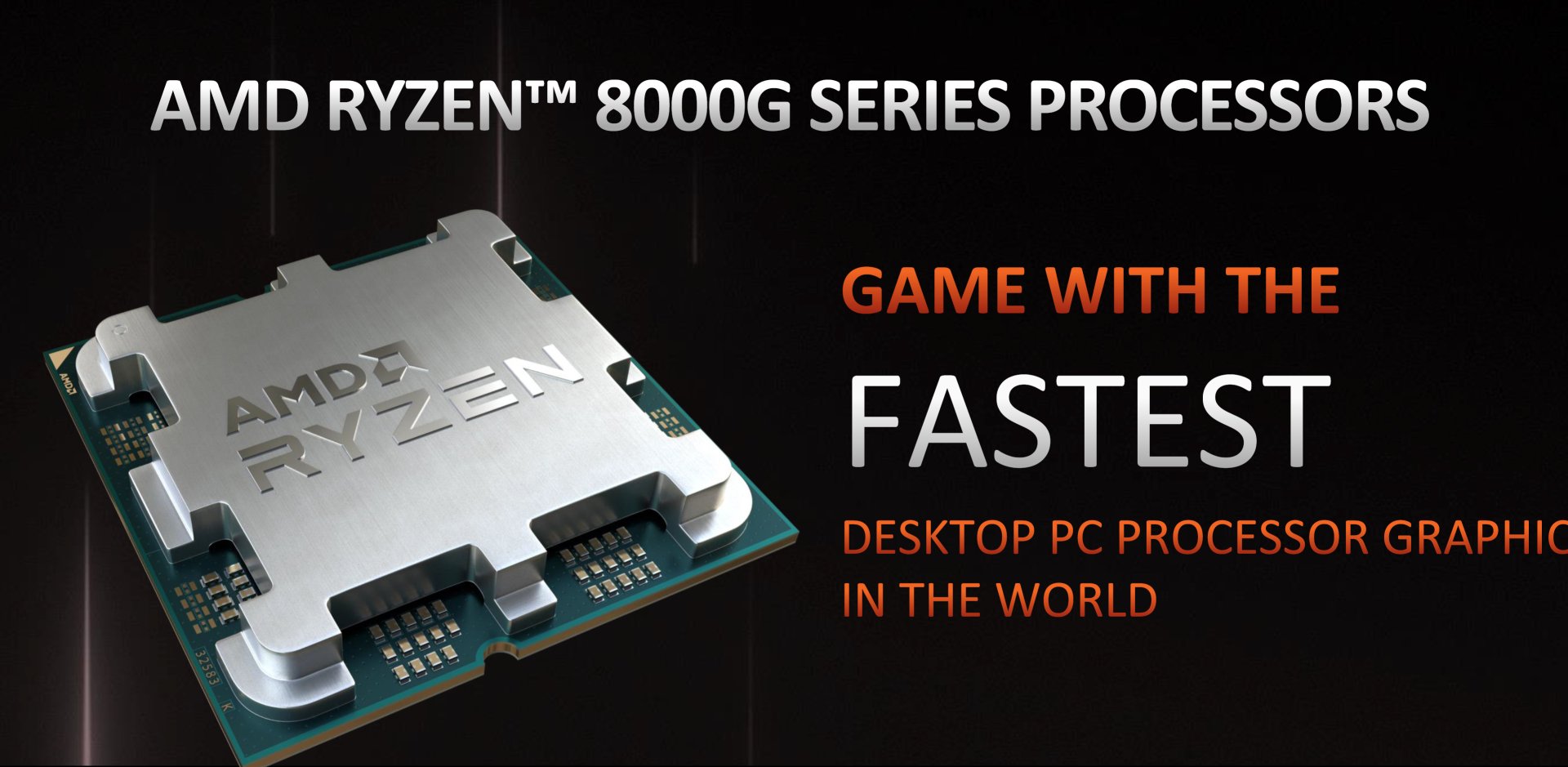
Of course, an APU’s performance is a tale of two halves. The Zen 4 CPU cores provide snappy, responsive performance for everyday productivity, content creation, and general use. However, it’s crucial to understand the architectural trade-offs. Unlike their non-G Ryzen 7000 counterparts, the 8000G series uses a monolithic die and features a significantly smaller L3 cache. This means that for purely CPU-bound tasks, a chip like the Ryzen 5 7600 or Ryzen 7 7700X will pull ahead. Another critical trade-off lies with the PCIe interface; the top 8000G models only offer 8 lanes of PCIe 4.0 for a future graphics card, which could be a limiting factor for high-end GPUs down the line.
One of the most exciting, if currently niche, features is the inclusion of the Ryzen AI engine. This is AMD’s first desktop processor with a dedicated Neural Processing Unit (NPU) designed to accelerate AI workloads. While real-world applications are still emerging, features like Windows Studio Effects are a glimpse of the future. For now, it’s more of a value-add for early adopters, but it positions the 8000G series as a forward-looking choice as AI becomes more integrated into our daily software. The entire package sits on the modern AM5 platform, ensuring support for DDR5 memory and offering a clear upgrade path for years to come. It’s worth noting that the iGPU is heavily reliant on system memory speed, so pairing it with fast DDR5-6000 RAM is essential to unlock its full potential.
Ultimately, the Ryzen 8000G series is a masterclass in engineering for a specific audience. It’s not meant to compete with a high-end CPU and GPU combination. Instead, it carves out a brilliant niche for itself. For those building a new, budget-friendly gaming PC from scratch, it offers a fantastic starting point with a better gaming experience than any integrated solution before it. It’s also the perfect heart for a powerful yet tiny Small Form Factor (SFF) build or a silent, unobtrusive home theater PC. The 8000G series is the undisputed king of integrated graphics, delivering on a promise decades in the making. While its compromises mean it isn’t the right choice for everyone, it’s an outstanding one for the right user.
Where to Buy:


AMD Ryzen 8000G Series APUs Quick Summary
Key Scores:
-
Value:
87% -
Design:
90% -
Performance:
92% -
Quality:
91% -
Popularity:
85%
Top Pros
- ✅ Integrated graphics deliver a legitimate 1080p gaming experience.
- ✅ The AM5 platform provides a modern, future-proof foundation.
- ✅ Excellent power efficiency is ideal for compact system builds.
- …
Key Cons
- ❌ Reduced L3 cache limits pure CPU performance versus counterparts.
- ❌ Limited PCIe lanes can bottleneck future graphics card upgrades.
- ❌ High-speed DDR5 memory is essential for maximum performance.
- …