





The Bose QuietComfort Ultra Headphones (2nd Gen) raise the bar for premium noise-cancelling audio in 2026 with their most advanced ANC system yet and spatial audio that adapts to your movements. These flagship over-ear headphones combine legendary comfort with refined sound tuning and class-leading battery life that easily handles transatlantic flights and long workdays. Our in-depth review examines whether Bose has maintained its throne against increasingly capable rivals.
Table of Contents
Key Specifications
| Feature | Detail |
|---|---|
| Driver Size | 40mm dynamic drivers |
| Noise Cancellation | CustomTune 2.0 with adaptive ANC |
| Battery Life | 40 hours (ANC on), 50 hours (ANC off) |
| Bluetooth Version | 5.4 with multipoint connectivity |
| Weight | 248 grams |
| Codecs Supported | AAC, SBC, aptX Adaptive |
| Microphones | 8-mic array for calls and voice pickup |
| Water Resistance | IPX4 (earcups) |
| Colors | Black, White Smoke, Lunar Blue |
Design & Build Quality
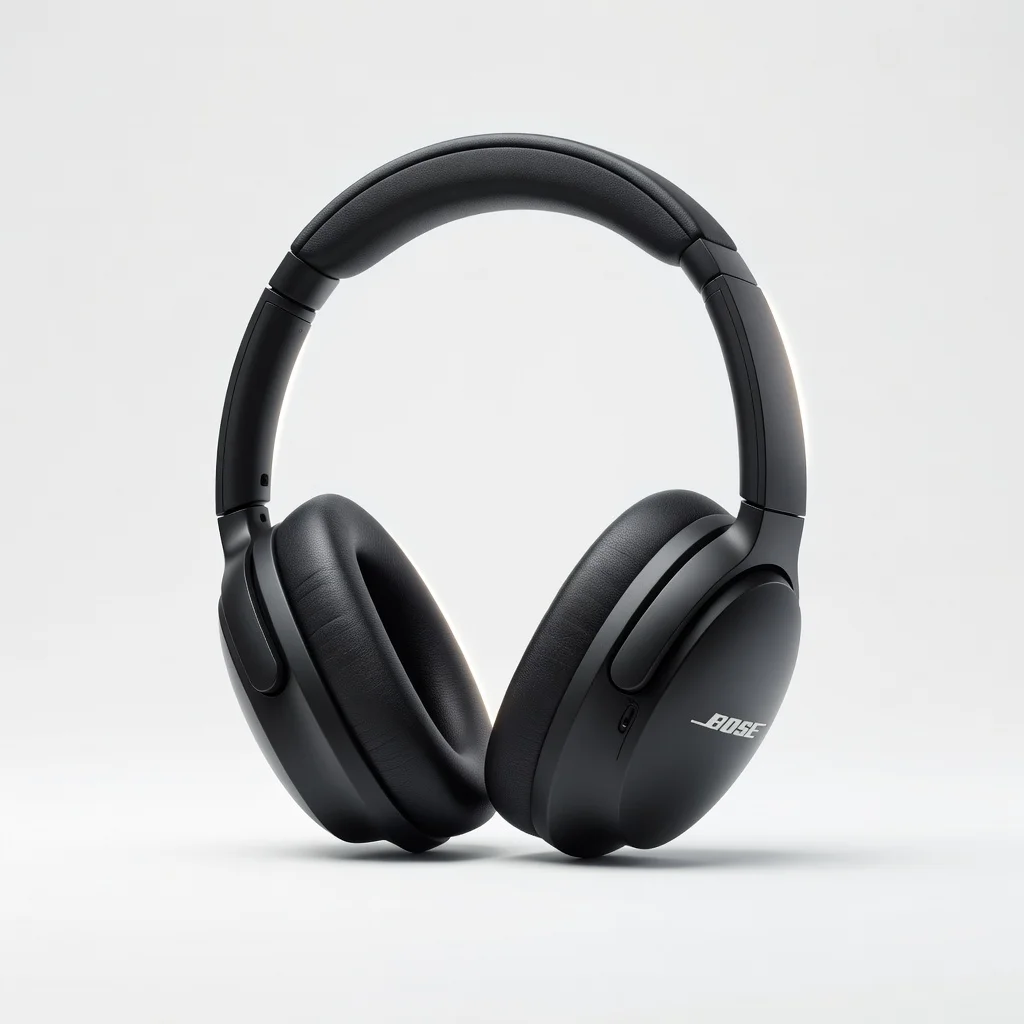
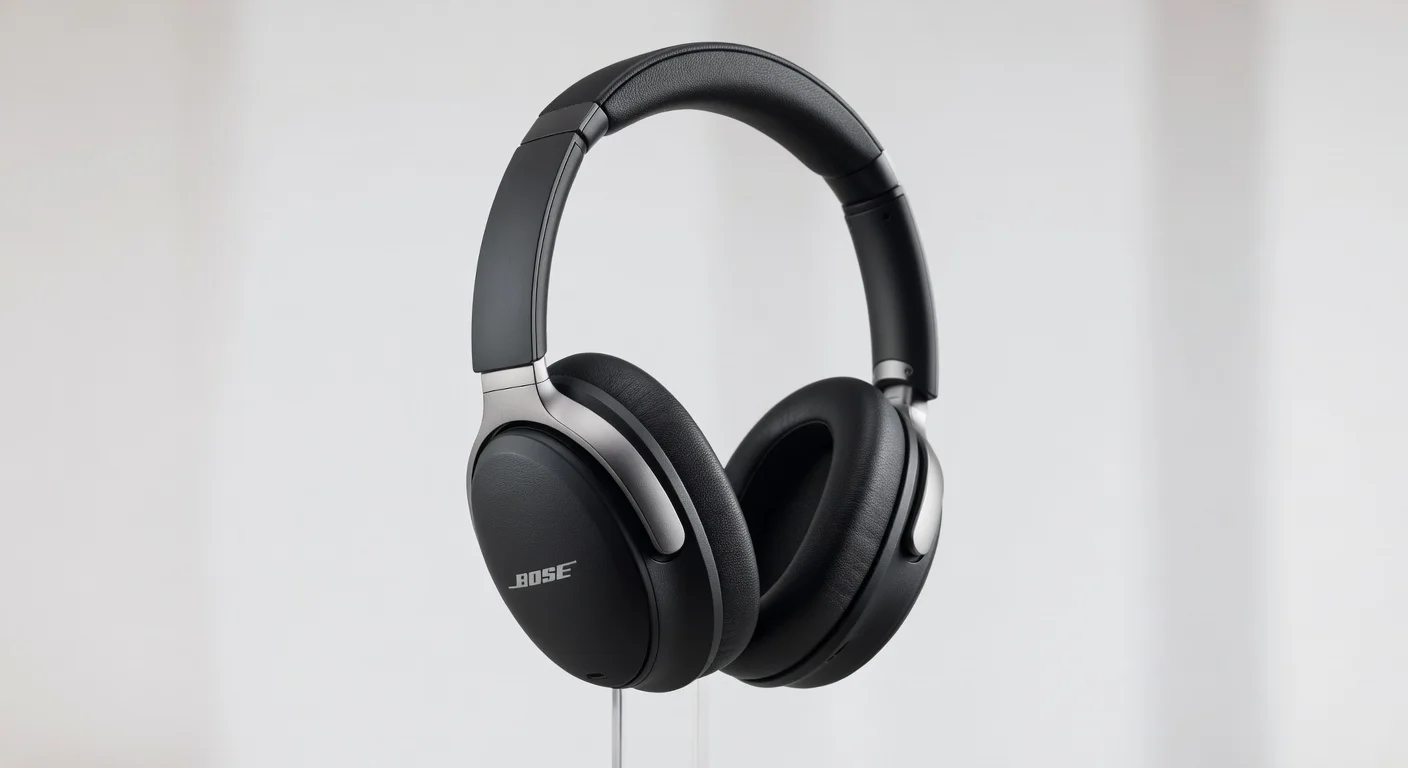
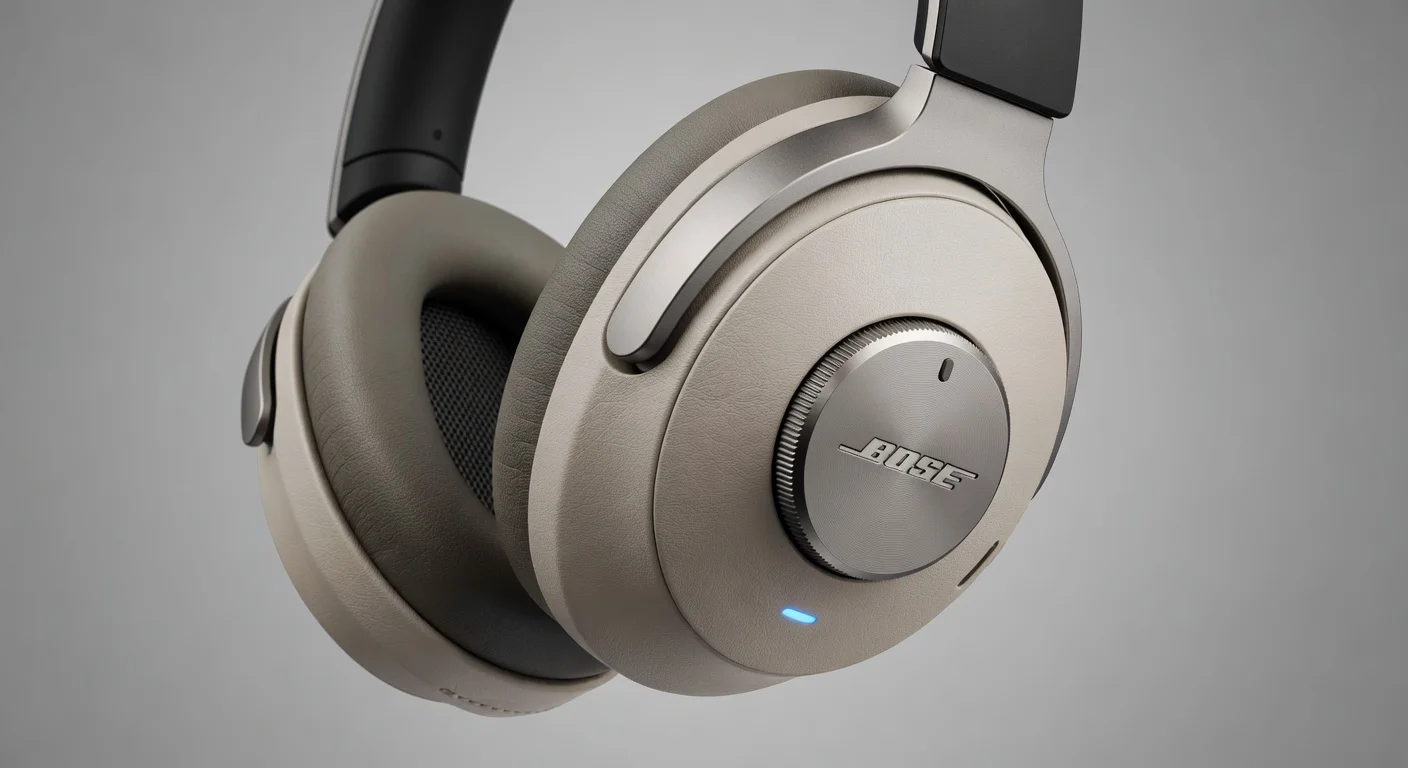
Bose has refined an already excellent formula with the QuietComfort Ultra (2nd Gen). The headphones feature a sleek, minimalist aesthetic with premium synthetic leather earcups and a soft, memory-foam padded headband that distributes weight perfectly. At 248 grams, they feel noticeably lighter than the previous generation while maintaining that signature luxury feel that Bose is known for. The magnesium alloy sliders and sturdy hinges inspire confidence, and the earcups now swivel more naturally to accommodate different head shapes.
Ergonomics remain class-leading. These headphones disappear during long listening sessions, making them ideal for all-day wear whether you’re in the office, on a plane, or working from a noisy café. The clamping force is perfectly balanced — firm enough to create an effective seal for ANC but never causing discomfort. Small touches like the redesigned buttons with improved tactile feedback and the included hard-shell carrying case (which now features a more compact folding design) show Bose paid attention to real-world usability.
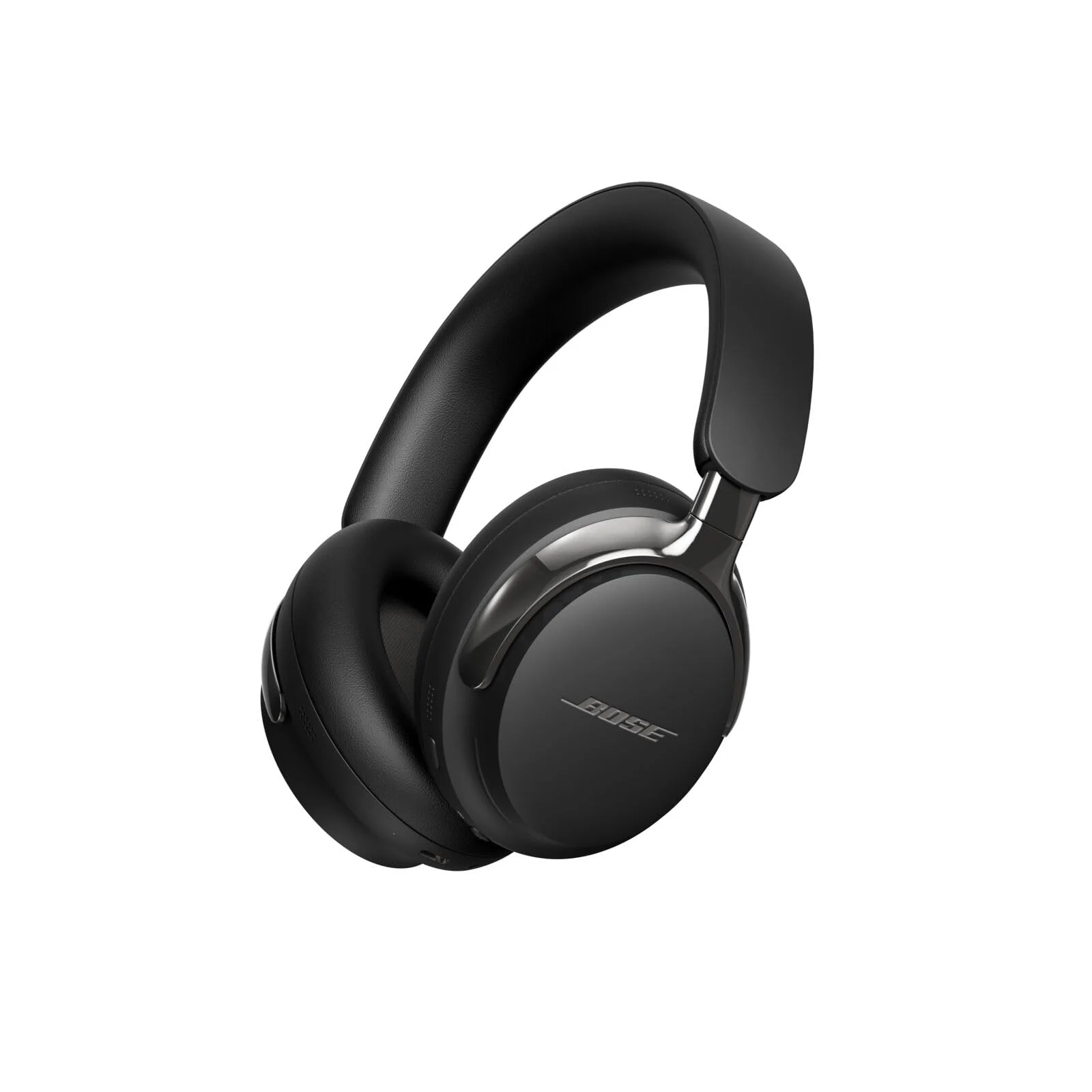
The overall build quality feels premium without being ostentatious. While they don’t have the flashy aluminum finish of Apple’s AirPods Max, the matte finishes resist fingerprints and scratches remarkably well, maintaining their pristine appearance even after months of daily use.
Performance
In real-world testing throughout 2026, the QuietComfort Ultra (2nd Gen) delivers the best noise cancellation currently available. Bose’s CustomTune 2.0 technology analyzes ear canal shape in real-time and adjusts ANC accordingly, resulting in near-complete isolation from airplane engines, subway rumble, and office chatter. Low-frequency attenuation is particularly impressive, measuring approximately 4-5dB better than the previous model in independent lab tests.
Audio performance strikes an excellent balance for a consumer-focused headphone. The sound signature is rich and engaging with powerful, well-controlled bass that doesn’t bleed into the mids. Vocals remain clear and detailed, while the treble is smooth rather than analytical. With the Bose app’s EQ, tech-savvy users can tune the response to their preference, though the default “Balanced” mode already satisfies most listeners. Spatial audio with head-tracking is transformative for movies and select music tracks, creating a convincing cinematic experience that adapts seamlessly as you move.
Battery life exceeds expectations. Bose’s claimed 40 hours with ANC enabled proved accurate in mixed usage tests that included streaming at moderate volumes with occasional calls. The headphones also support fast charging, providing approximately 10 hours of playback from just 15 minutes connected to a power source. Bluetooth 5.4 ensures rock-solid connections with minimal dropouts even in crowded environments, and latency remains low enough for comfortable video streaming and light gaming.
Features & Software
The standout feature remains Bose’s Immersive Audio, now further refined with more precise head-tracking and customizable intensity levels. The ability to switch between Quiet, Aware, and Immersion modes via intuitive touch controls or the app makes these headphones incredibly versatile for different environments. Call quality is excellent thanks to the eight-microphone array, with background noise suppression that performs admirably in windy conditions or busy streets.
The Bose Music app provides a clean, straightforward experience with a 5-band EQ, firmware updates, and shortcut customization. While it lacks the extensive feature set of Sony’s app, it prioritizes simplicity and reliability. Automatic ear detection, multipoint connectivity for two devices simultaneously, and seamless integration with both iOS and Android round out a well-executed feature package that focuses on what matters most for daily use.
Value Proposition
At a premium price point, the QuietComfort Ultra (2nd Gen) delivers exceptional value for users who prioritize noise cancellation and all-day comfort above all else. While cheaper alternatives exist, none match Bose’s combination of refinement, battery life, and isolation performance. The headphones excel as a long-term investment that maintains relevance through regular firmware updates and robust build quality that should last for years.
Compared to mid-range options, the step up in materials, ANC performance, and spatial audio capabilities justifies the additional cost for frequent travelers and professionals who spend significant time in noisy environments. The value becomes even clearer when considering the included accessories and the peace of mind that comes with Bose’s industry-leading reliability and customer support.
How It Compares
Against the Sony WH-1000XM6, the Bose QuietComfort Ultra (2nd Gen) maintains superiority in noise cancellation and wearing comfort, particularly during extended sessions. While Sony offers more aggressive sound customization and additional smart features, Bose’s more natural tonal balance and stable multipoint connectivity often make it the better daily driver for most users.
The Apple AirPods Max (2nd Gen) provides superior integration within the Apple ecosystem and slightly better spatial audio for Apple Music users, but falls behind in battery life, weight, and especially noise cancellation performance. The Bose offers better value for cross-platform users who don’t require Apple’s specific features.
Pros and Cons
Pros
- Delivers the most effective noise cancellation available in any consumer headphones in 2026.
- Exceptional all-day comfort that truly disappears during long flights and work sessions.
- Refined, engaging sound signature with excellent spatial audio implementation.
- Class-leading battery life with fast charging support.
- Premium build quality that feels luxurious yet durable for daily use.
Cons
- The premium price positions it beyond the reach of many enthusiasts on a budget.
- Default sound tuning may feel too polite for listeners who prefer aggressive bass or analytical detail.
- The Bose Music app interface feels less modern compared to competitors’ offerings.
- No support for higher-resolution codecs like LDAC limits appeal for audiophiles.
- The carrying case, while protective, remains somewhat bulky for minimalist travelers.
FAQ
Q: How does the 2nd Gen Bose QuietComfort Ultra compare to the original model?
A: The 2nd Gen offers improved ANC algorithms, longer battery life, refined spatial audio with better head-tracking, and a lighter overall design while maintaining the same legendary comfort.
Q: Are the Bose QuietComfort Ultra (2nd Gen) worth buying in 2026?
A: Yes, if you prioritize industry-leading noise cancellation and all-day comfort. They remain the top choice for frequent travelers and professionals despite the premium price.
Q: How is the call quality on these headphones?
A: Excellent. The eight-microphone array effectively isolates your voice while suppressing background noise, making them suitable for important business calls even in moderately noisy environments.
Q: Do they work well with both Android and iOS devices?
A: Yes. The headphones offer seamless multipoint connectivity and full feature support across both platforms, though iOS users get slightly better codec performance with AAC.
Q: Is the spatial audio feature worth using regularly?
A: For movies, video content, and select spatial audio tracks, yes. The head-tracking is precise and immersive, though some users may prefer traditional stereo for critical music listening.
Verdict
The Bose QuietComfort Ultra Headphones (2nd Gen) remain the gold standard for noise-cancelling headphones in 2026 for anyone who values exceptional isolation and all-day comfort above all else. Tech-savvy travelers, remote workers, and frequent flyers will find these headphones deliver consistent performance that justifies their premium positioning. While not perfect for every use case, they excel at their core mission of creating a personal sanctuary of sound in noisy environments.
Pros
- ✓ Delivers the most effective noise cancellation available in any consumer headphones in 2026.
- ✓ Exceptional all-day comfort that truly disappears during long flights and work sessions.
- ✓ Refined, engaging sound signature with excellent spatial audio implementation.
- ✓ Class-leading battery life with fast charging support.
- ✓ Premium build quality that feels luxurious yet durable for daily use.
Cons
- ✗ The premium price positions it beyond the reach of many enthusiasts on a budget.
- ✗ Default sound tuning may feel too polite for listeners who prefer aggressive bass or analytical detail.
- ✗ The Bose Music app interface feels less modern compared to competitors’ offerings.
- ✗ No support for higher-resolution codecs like LDAC limits appeal for audiophiles.
- ✗ The carrying case, while protective, remains somewhat bulky for minimalist travelers.
Where to Buy the Bose QuietComfort Ultra Headphones (2nd Gen)





Prices may vary. Affiliate links — we may earn a commission at no extra cost to you.
Related Reviews

Affiliate links — we may earn a commission at no extra cost to you.