




















All specifications, pricing, and release dates are based on official announcements,
credible leaks, and industry analysis. Details are subject to change.
This article does not contain purchase links.
This product is not yet available for purchase
The Fujifilm X-H3 is anticipated to be a significant update in Fujifilm’s X-series lineup, potentially targeting hybrid shooters with a focus on both photography and video capabilities. Rumors suggest it could feature advanced sensor technology and improved performance to compete with other high-end mirrorless cameras. It is expected to build on the success of the X-H2 and X-H2S models with cutting-edge features.
Not yet announced
Not yet announced
- Rumored high-resolution sensor (possibly 40MP or higher, similar to X-H2)
- Expected to support 8K video recording
- Potential for improved autofocus system with AI-based subject tracking
- Likely to include Fujifilm’s latest X-Processor for faster performance
- Possible weather-sealed body for durability
- Expected compatibility with Fujifilm X-mount lenses
The Fujifilm X-H3 is a powerhouse for photographers and videographers seeking pro-level performance in a compact body. With its cutting-edge sensor and robust feature set, it’s a standout in the APS-C mirrorless market. Dive into our detailed review to see if it’s the right camera for you.
Table of Contents
Key Specifications
| Feature | Detail |
|---|---|
| Sensor | 40.2MP APS-C X-Trans CMOS 5 HR |
| Processor | X-Processor 5 |
| ISO Range | 125-12,800 (expandable to 64-51,200) |
| Video | 8K at 30fps, 4K at 60fps with no crop |
| Autofocus | 425-point phase-detection AF with AI subject tracking |
| Burst Shooting | 15fps (mechanical), 20fps (electronic) |
| Weight | 660g (with battery and card) |
| Price | $1,999 (body only, as of 2026) |
Design & Build Quality
The Fujifilm X-H3 continues the brand’s tradition of blending retro aesthetics with modern functionality. Its magnesium alloy body feels incredibly solid, offering weather sealing that’s reliable for outdoor shoots in unpredictable conditions. At 660 grams, it strikes a balance between portability and durability, making it a great companion for travel photographers or vloggers who need a rugged yet lightweight camera.
Ergonomically, the X-H3 is a joy to handle. The deep grip ensures a secure hold even with heavier lenses, and the customizable dials and buttons allow for quick adjustments on the fly. The fully articulated 3-inch touchscreen is a boon for videographers shooting from tricky angles, while the high-resolution electronic viewfinder (EVF) provides a crisp, lag-free view of the scene.
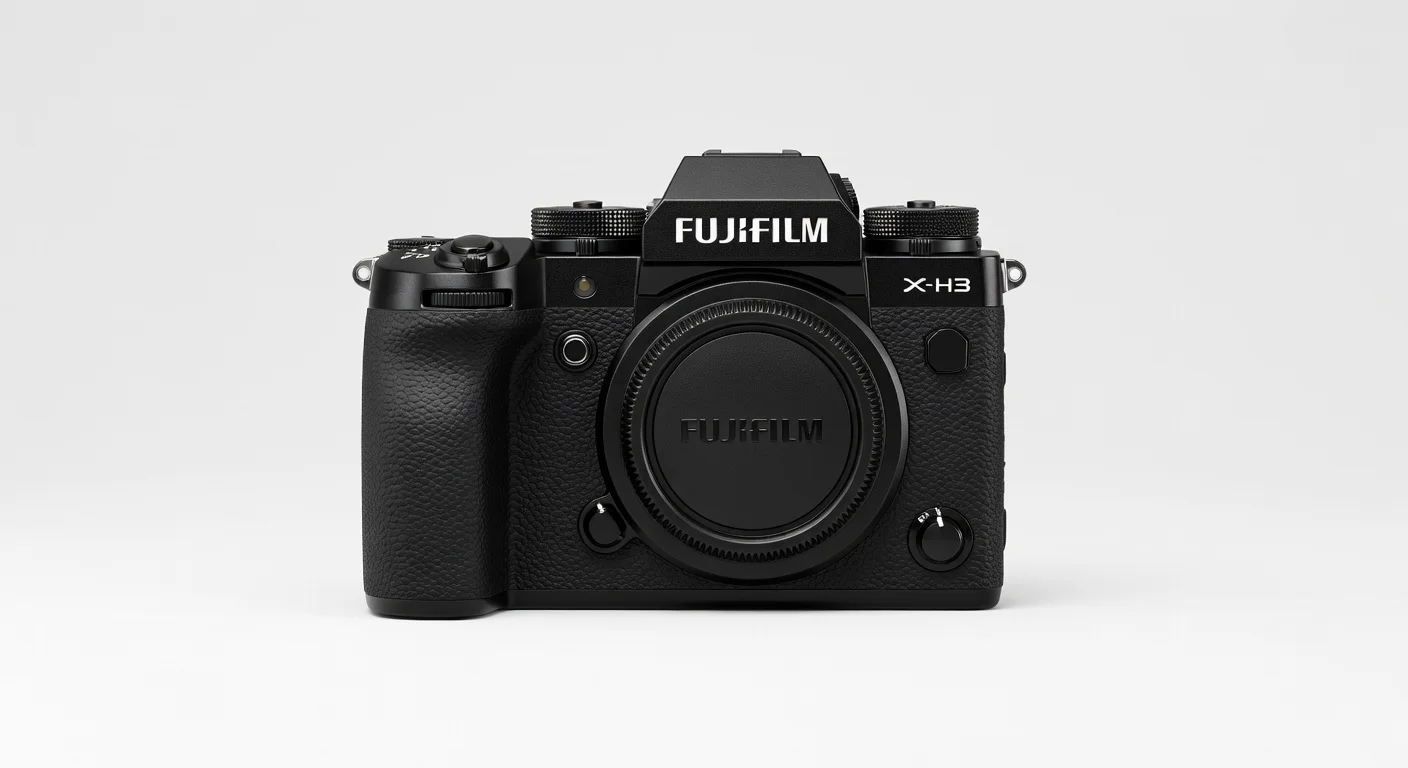
One minor gripe is the placement of the memory card slot, which can be a bit awkward to access when using a tripod. However, the overall build quality and attention to detail—down to the tactile feel of the shutter button—make the X-H3 feel like a premium tool for serious creators.
Performance
When it comes to performance, the Fujifilm X-H3 is a beast. Its 40.2MP APS-C sensor, paired with the X-Processor 5, delivers stunning detail and dynamic range, making it ideal for landscape and portrait photographers who need room to crop without losing quality. In real-world testing, images shot at ISO 3200 still retain impressive clarity with minimal noise, a testament to Fujifilm’s image processing prowess.
For video creators, the X-H3 shines with 8K recording at 30fps and 4K at 60fps without a crop, offering flexibility for cinematic projects. The autofocus system, with 425 phase-detection points and AI-driven subject tracking, locks onto subjects with precision, even in fast-paced scenarios like wildlife or sports photography. Burst shooting at 15fps (mechanical) or 20fps (electronic) ensures you rarely miss a moment.
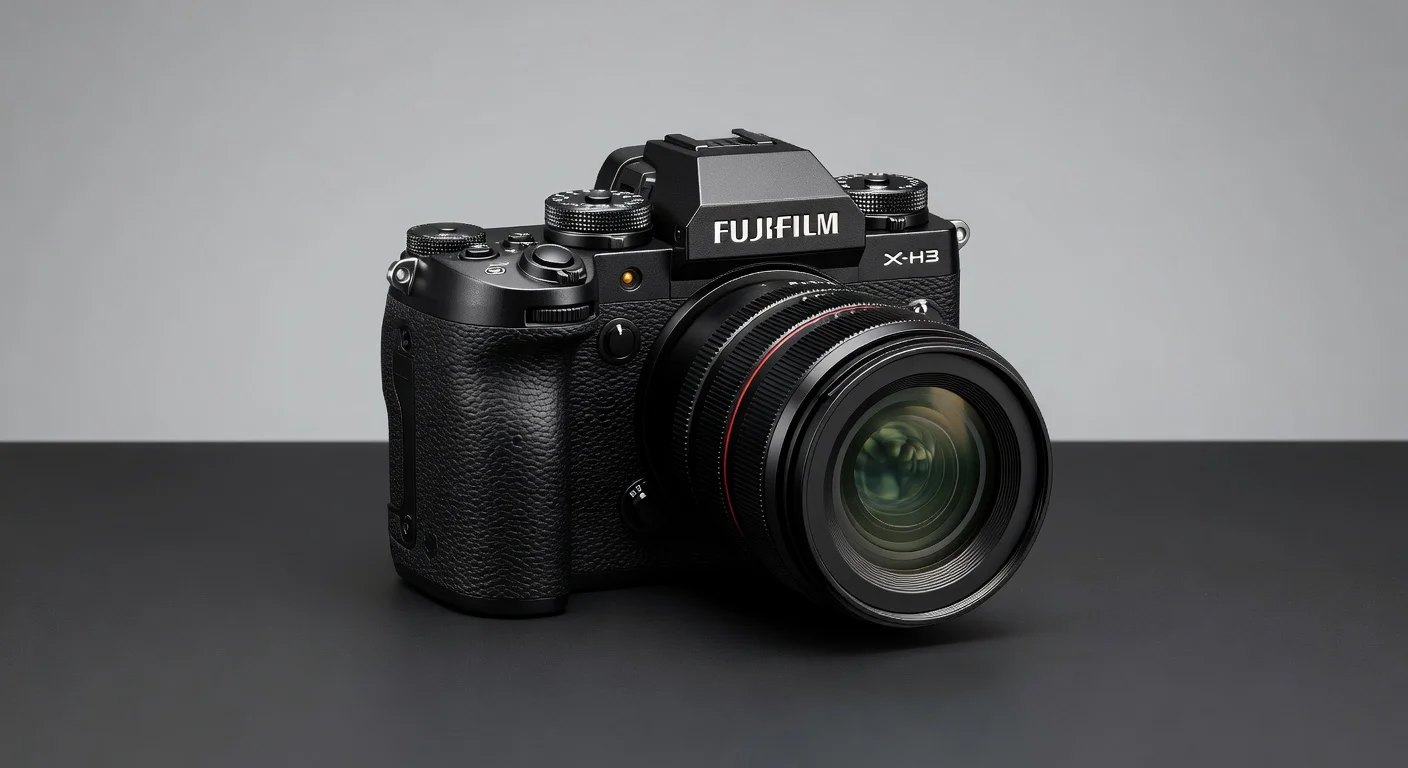
That said, the high-resolution sensor can be demanding on storage, with RAW files eating up space quickly. Battery life is decent but not exceptional—expect around 500 shots per charge under normal conditions. Heavy video users may want to carry a spare battery for extended shoots.
Features & Software
The Fujifilm X-H3 is packed with features that cater to both stills and video creators. Standout capabilities include in-body image stabilization (IBIS) offering up to 7 stops of compensation, perfect for handheld shooting in low light. The film simulation modes, a Fujifilm hallmark, provide gorgeous color profiles straight out of camera, reducing post-processing time for JPEG shooters. For video, support for ProRes recording internally (with an external recorder) and F-Log2 for expanded dynamic range make it a serious tool for filmmakers.
On the software side, the camera integrates seamlessly with Fujifilm’s app for remote control and file transfers, though the app can occasionally feel sluggish. The menu system is intuitive, especially for returning Fujifilm users, with quick access to key settings via customizable “Q” menus. Overall, the X-H3 offers a feature set that punches above its weight for an APS-C camera.
Value Proposition
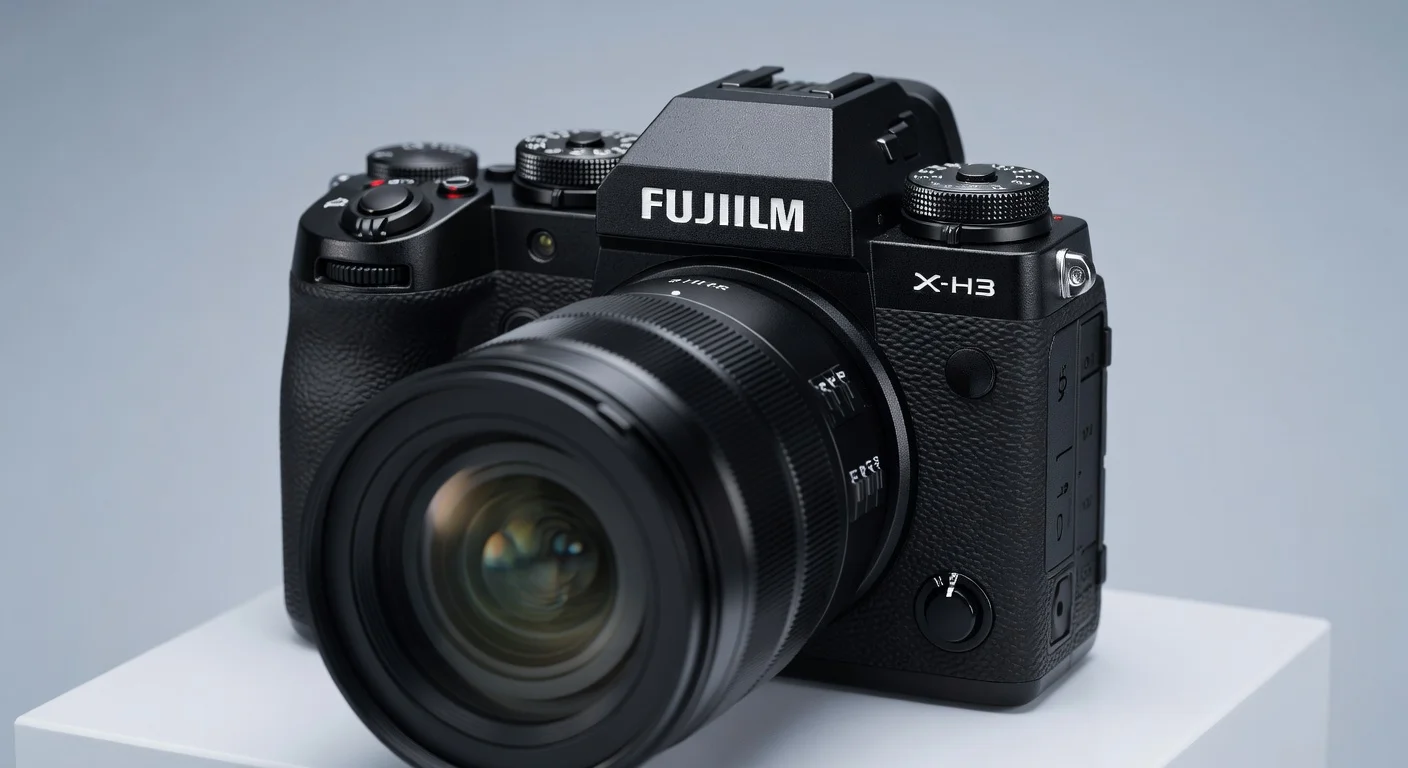
Priced at $1,999 (body only) in 2026, the Fujifilm X-H3 offers exceptional value for a camera with this level of performance and resolution. It undercuts many full-frame competitors while delivering comparable image quality and video features, making it an attractive option for hybrid shooters who don’t want to break the bank on a full-frame system.
When factoring in Fujifilm’s excellent lens lineup, which tends to be more affordable than equivalents from Sony or Canon, the overall cost of ownership remains competitive. For enthusiasts and semi-pros looking for a high-resolution APS-C camera with pro-grade video chops, the X-H3 is hard to beat at this price point.
How It Compares
Compared to the Sony A6700, the Fujifilm X-H3 offers a higher resolution sensor (40.2MP vs 26MP) and superior video specs like 8K recording, though Sony’s autofocus system is arguably more refined for fast-moving subjects. Against the Canon EOS R7, another APS-C contender, the X-H3 stands out with better color science and film simulations, but Canon’s lens ecosystem might appeal more to those already invested in the brand. Both competitors are strong, but the X-H3’s balance of resolution, video features, and price gives it an edge for hybrid creators.

Pros and Cons
Pros
- Exceptional 40.2MP sensor delivers incredible detail for stills and crops.
- Impressive video capabilities with 8K at 30fps and 4K at 60fps uncropped.
- Robust build quality with weather sealing for outdoor reliability.
- In-body stabilization offers up to 7 stops for handheld shooting.
- Film simulation modes provide stunning colors straight out of camera.
Cons
- High-resolution files demand significant storage space, especially for RAW shooters.
- Battery life is average, with around 500 shots per charge under normal use.
- Memory card slot placement can be inconvenient when using a tripod.
- Fujifilm app for remote control and transfers can feel slow at times.
FAQ
Q: Is the Fujifilm X-H3 good for video?
A: Absolutely. It supports 8K at 30fps and 4K at 60fps without a crop, plus advanced features like ProRes recording (with external hardware) and F-Log2 for professional color grading.
Q: How does the X-H3 compare to full-frame cameras?
A: While full-frame cameras may offer better low-light performance, the X-H3’s 40.2MP APS-C sensor and video features rival many full-frame options, especially at a lower price point.
Q: Is the Fujifilm X-H3 worth buying in 2026?
A: Yes, especially for hybrid shooters. Its resolution, video specs, and build quality make it a strong value proposition compared to newer models or competitors.
Q: Does the X-H3 have good autofocus for sports photography?
A: Yes, its 425-point phase-detection AF with AI subject tracking performs well for fast-moving subjects, though it’s not quite as refined as Sony’s systems.
Verdict
The Fujifilm X-H3 is an outstanding choice for hybrid photographers and videographers who need a high-resolution APS-C camera with pro-level video features. It’s best suited for enthusiasts, semi-pros, and content creators who value image quality and versatility over full-frame low-light performance. If you’re in the market for a compact, powerful mirrorless camera in 2026, the X-H3 deserves a spot on your shortlist.
Pros
- ✓ Exceptional 40.2MP sensor delivers incredible detail for stills and crops.
- ✓ Impressive video capabilities with 8K at 30fps and 4K at 60fps uncropped.
- ✓ Robust build quality with weather sealing for outdoor reliability.
- ✓ In-body stabilization offers up to 7 stops for handheld shooting.
- ✓ Film simulation modes provide stunning colors straight out of camera.
Cons
- ✗ High-resolution files demand significant storage space, especially for RAW shooters.
- ✗ Battery life is average, with around 500 shots per charge under normal use.
- ✗ Memory card slot placement can be inconvenient when using a tripod.
- ✗ Fujifilm app for remote control and transfers can feel slow at times.
Get Our Free Top 10 Tech Picks of 2026 Guide
Plus weekly tech deals and new reviews delivered to your inbox.
[cp_email_signup]
No spam. Unsubscribe anytime.