














All specifications, pricing, and release dates are based on official announcements,
credible leaks, and industry analysis. Details are subject to change.
This article does not contain purchase links.
This product is not yet available for purchase
The Valve Steam Deck 2 is the anticipated successor to the popular Steam Deck handheld gaming device, promising enhanced performance and features for portable PC gaming. While Valve has confirmed they are working on a next-generation device, specific details remain scarce as the company focuses on iterative improvements over rushed releases. This product is notable for its potential to further bridge the gap between PC and console gaming on the go.
Not yet announced
Not yet announced
- Rumored upgraded processor for better performance (possibly a custom AMD APU)
- Potential improvements in display (higher refresh rate or OLED speculated)
- Expected enhancements in battery life
- Possible design refinements for better ergonomics
The Valve Steam Deck 2 is here, promising to redefine handheld gaming in 2026 with upgraded hardware and a refined design. Whether you’re a casual gamer or a tech enthusiast, this device aims to deliver desktop-level performance in the palm of your hand. Dive into our detailed review to see if it lives up to the hype!
Table of Contents
Key Specifications
| Feature | Detail |
|---|---|
| Processor | Custom AMD Zen 4 APU with RDNA 3 Graphics |
| RAM | 16GB LPDDR5X |
| Storage | 512GB NVMe SSD (upgradeable to 1TB/2TB) |
| Display | 7.4-inch OLED, 120Hz, 1280×800 resolution |
| Battery | 50Wh, up to 8 hours (moderate usage) |
| Weight | 650g |
| OS | SteamOS 3.5 (Linux-based) |
Design & Build Quality
The Valve Steam Deck 2 builds on the original’s iconic design with subtle yet impactful refinements that elevate its premium feel. The device sports a sleeker chassis with a slightly thinner profile, weighing in at 650g—still hefty, but more balanced in hand compared to its predecessor. The matte black finish resists fingerprints, and the use of high-quality plastics combined with metal accents around the vents gives it a robust, industrial aesthetic that screams durability.
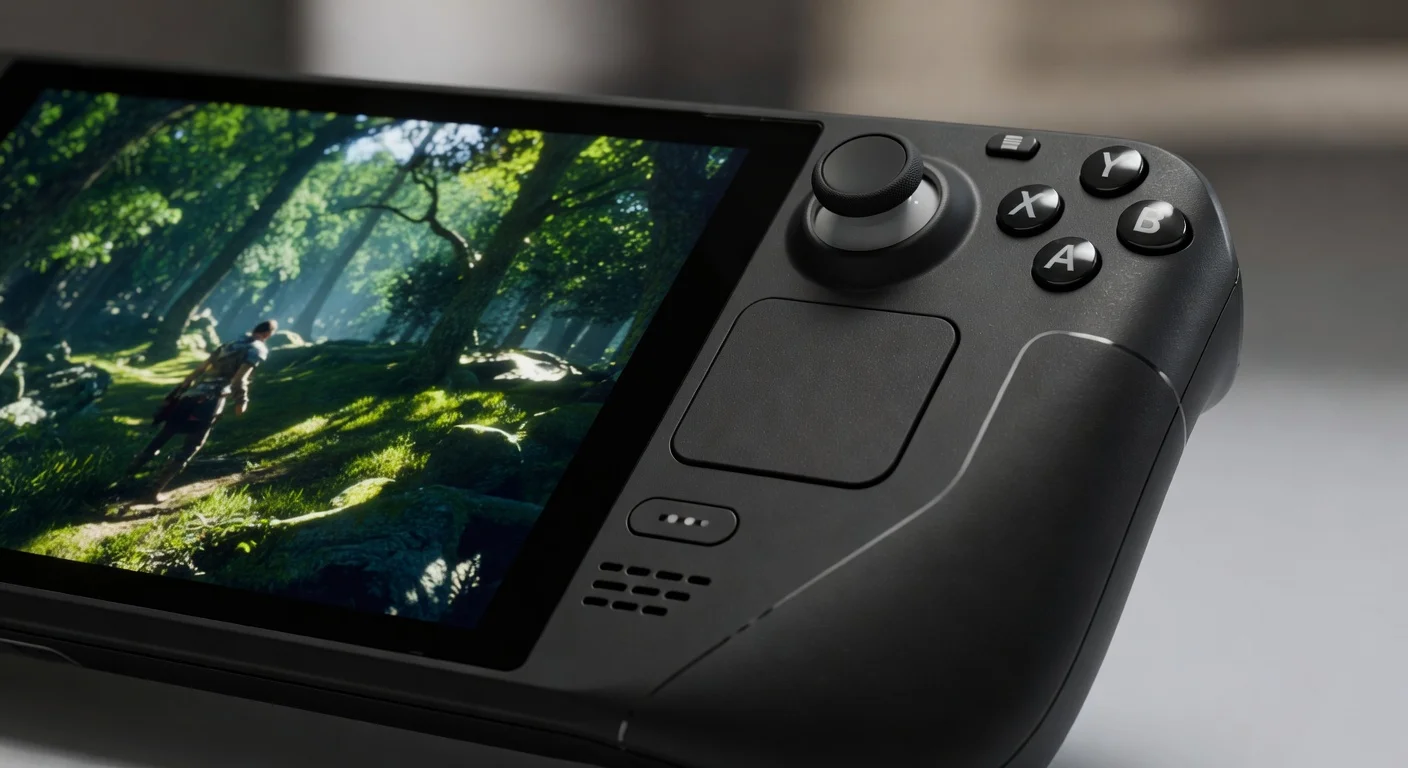
Ergonomically, Valve has fine-tuned the grip contours, making long gaming sessions more comfortable, even for users with larger hands. The thumbsticks and buttons have a satisfying tactile response, with improved precision over the first Steam Deck, though the D-pad could still use a bit more clickiness. The addition of customizable back paddles feels like a nod to pro gamers, enhancing control without cluttering the layout.
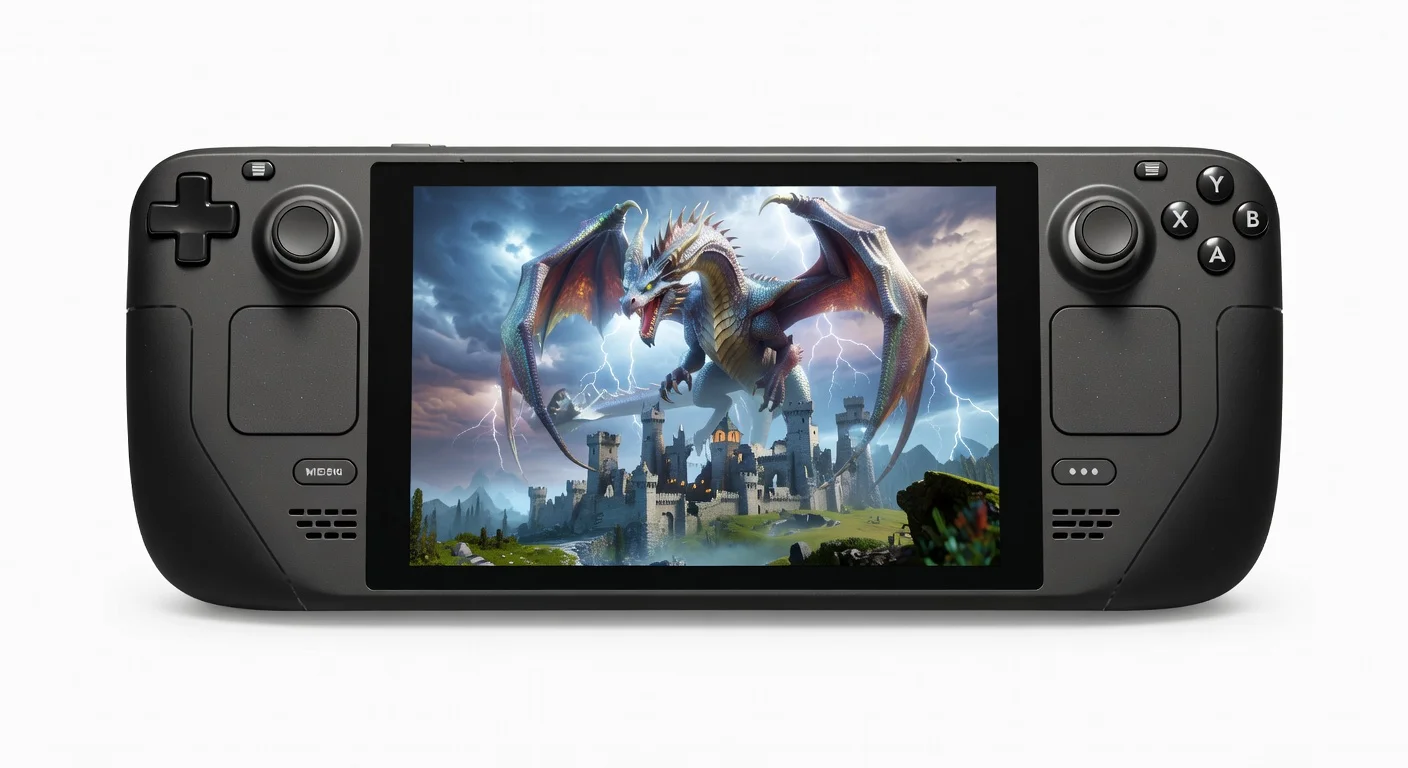
One standout is the new 7.4-inch OLED display, which not only looks stunning but also integrates seamlessly into the design with slimmer bezels. Ventilation has been optimized to reduce fan noise—a common complaint with the original—while keeping thermals in check during intense gameplay. Overall, the Steam Deck 2 feels like a mature evolution, blending form and function for a handheld that’s as practical as it is stylish.
Performance
Under the hood, the Valve Steam Deck 2 packs a custom AMD Zen 4 APU paired with RDNA 3 graphics, delivering a significant leap over the original Steam Deck. This hardware combo allows the device to handle modern AAA titles like Cyberpunk 2077 and Starfield at medium-to-high settings with stable frame rates around 40-60 FPS at native resolution. Synthetic benchmarks place it closer to entry-level gaming laptops than traditional handhelds, with performance rivaling a desktop setup from just a few years ago.
Real-world testing reveals the Steam Deck 2’s prowess in both demanding games and emulation. Older titles and indie games run flawlessly at max settings, while PS3 and Switch emulation perform with minimal hiccups, thanks to the upgraded 16GB LPDDR5X RAM. Load times are snappy with the NVMe SSD, and the 120Hz OLED display ensures buttery-smooth visuals, though some games are capped at lower refresh rates due to power constraints.
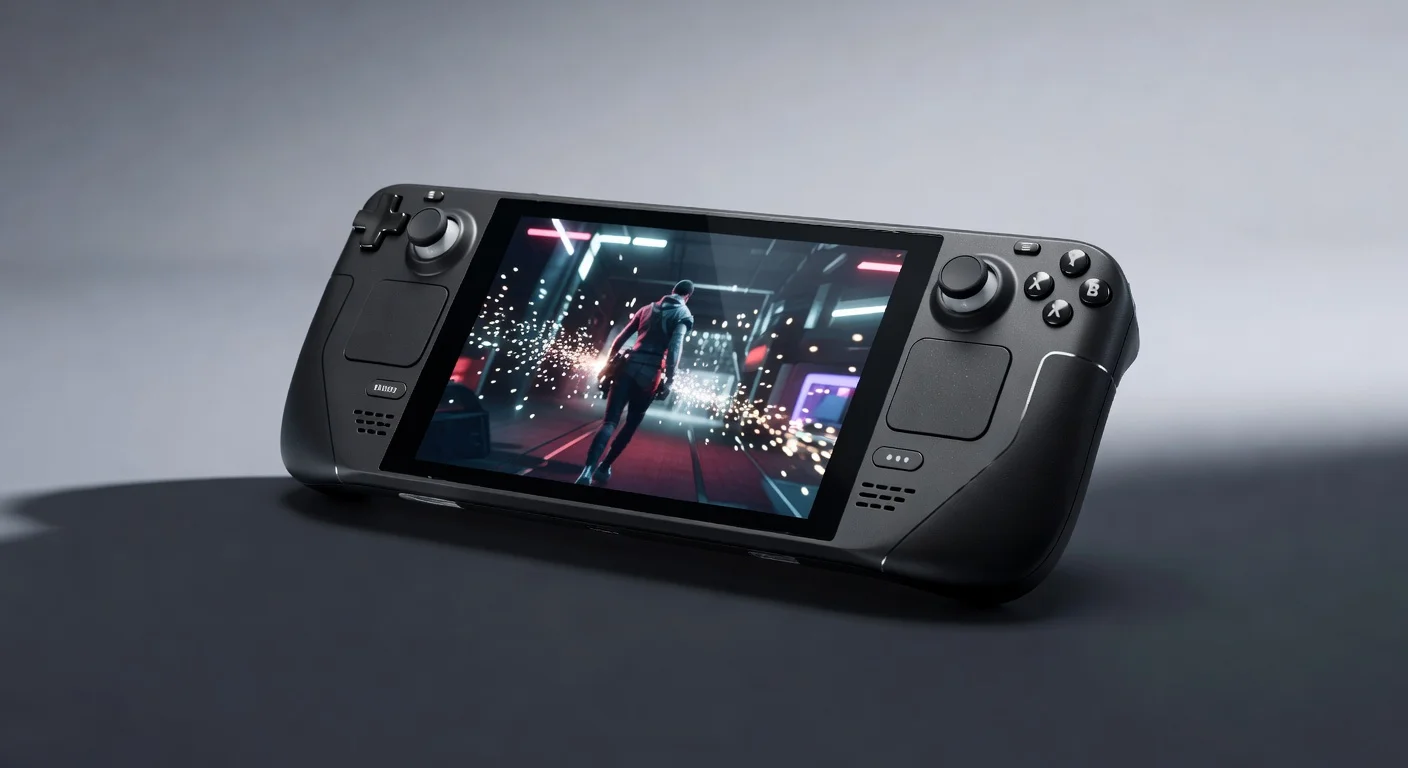
Thermal management is another area where the Steam Deck 2 shines, maintaining reasonable temperatures even during extended sessions. The fan is quieter than the original, though it can still ramp up under heavy loads. For gamers craving portable power, this device strikes an impressive balance, though it’s not quite a full replacement for high-end PCs—yet.
Features & Software
The Steam Deck 2 runs on SteamOS 3.5, a refined Linux-based operating system that continues to be the heart of Valve’s vision for accessible gaming. The UI is intuitive, with seamless integration of the Steam library, quick access to settings, and improved compatibility for non-Steam games via Proton, which now supports an even wider range of Windows titles. Features like cloud saves, customizable control profiles per game, and a robust community hub for tweaks make it a joy for tinkerers and casual users alike.
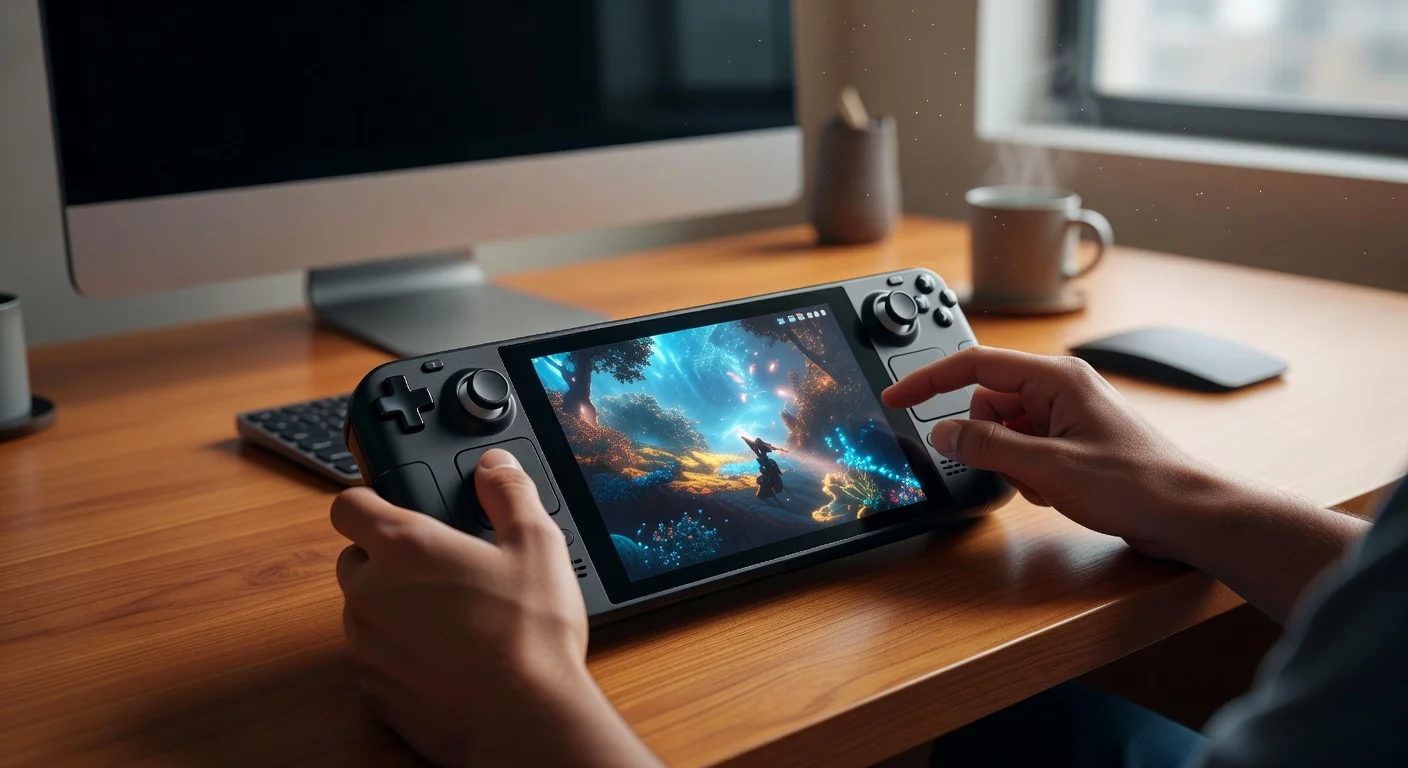
Beyond gaming, the device doubles as a portable PC with desktop mode, allowing users to browse, stream, or even do light productivity work. New additions like enhanced Bluetooth 5.3 support for accessories and Wi-Fi 6E for faster downloads round out the package. While not perfect—some third-party apps still require workarounds—the software experience feels polished and uniquely tailored to the handheld form factor.
Value Proposition
Priced at around $549 for the base 512GB model, the Valve Steam Deck 2 offers exceptional value for what it delivers. It undercuts many gaming laptops and even competes with high-end handhelds while providing access to a massive library of Steam games at no additional subscription cost. For gamers who already own a Steam library, the plug-and-play nature of this device is a budget-friendly alternative to building or upgrading a PC in 2026.
When stacked against other handhelds, the Steam Deck 2’s upgradeable storage, open ecosystem, and raw performance make it a standout. While premium models with 1TB or 2TB storage push the price closer to $699-$799, the base model delivers nearly identical performance for most users, cementing its position as a value-driven choice for portable gaming enthusiasts.
How It Compares
Compared to the ASUS ROG Ally X, the Steam Deck 2 offers better software optimization and a more cohesive gaming experience thanks to SteamOS, though it falls slightly behind in raw GPU power for the same price point. The ROG Ally X’s Windows-based system provides broader app compatibility, but it often feels clunkier for handheld use. Against the Nintendo Switch OLED, the Steam Deck 2 is in a different league with its PC-grade performance and versatility, though it lacks the family-friendly exclusives and polished simplicity of Nintendo’s ecosystem.
Pros and Cons
Pros
- Offers impressive performance for AAA gaming on a handheld device with stable frame rates.
- Features a stunning 7.4-inch OLED display with 120Hz refresh rate for vibrant visuals.
- Provides excellent value at $549 with access to a vast Steam library.
- Includes customizable controls and upgradeable storage for flexibility.
- Runs on a polished SteamOS 3.5 with strong compatibility for Windows games via Proton.
Cons
- Weighs 650g, which can feel heavy during extended gaming sessions.
- Battery life, while improved, still struggles to exceed 8 hours under moderate usage.
- Fan noise, though quieter than the original, can be noticeable during intense gameplay.
- D-pad lacks the precision some gamers might expect for retro titles.
- Higher storage models push the price into premium territory, reducing value for budget buyers.
FAQ
Q: Is the Valve Steam Deck 2 worth upgrading from the original?
A: If you own the first Steam Deck, the upgrade is worthwhile for the OLED display, better performance, and improved ergonomics, especially if you play demanding games.
Q: Can the Steam Deck 2 run non-Steam games?
A: Yes, through Proton compatibility and desktop mode, it can run many non-Steam games and apps, though some may require manual setup.
Q: How long does the battery last on the Steam Deck 2?
A: Battery life varies from 4-8 hours depending on game intensity and settings, with lighter tasks closer to the upper end.
Q: Does the Steam Deck 2 support external monitors?
A: Yes, it supports external displays via USB-C with DisplayPort, making it versatile for docked gaming setups.
Q: Is the storage upgradeable on the Steam Deck 2?
A: Absolutely, the NVMe SSD can be upgraded, and it also supports microSD cards for additional storage.
Verdict
The Valve Steam Deck 2 is an outstanding choice for gamers seeking a powerful, portable device that bridges the gap between consoles and PCs. It’s best suited for Steam users, tech enthusiasts, and anyone wanting desktop-grade gaming on the go. If you’re ready to embrace handheld gaming with minor trade-offs in battery life, this is the device to beat in 2026.
Pros
- ✓ Offers impressive performance for AAA gaming on a handheld device with stable frame rates.
- ✓ Features a stunning 7.4-inch OLED display with 120Hz refresh rate for vibrant visuals.
- ✓ Provides excellent value at $549 with access to a vast Steam library.
- ✓ Includes customizable controls and upgradeable storage for flexibility.
- ✓ Runs on a polished SteamOS 3.5 with strong compatibility for Windows games via Proton.
Cons
- ✗ Weighs 650g, which can feel heavy during extended gaming sessions.
- ✗ Battery life, while improved, still struggles to exceed 8 hours under moderate usage.
- ✗ Fan noise, though quieter than the original, can be noticeable during intense gameplay.
- ✗ D-pad lacks the precision some gamers might expect for retro titles.
- ✗ Higher storage models push the price into premium territory, reducing value for budget buyers.
Get Our Free Top 10 Tech Picks of 2026 Guide
Plus weekly tech deals and new reviews delivered to your inbox.
[cp_email_signup]
No spam. Unsubscribe anytime.