









Dive into our in-depth review of the Fujifilm X-T50, a compact mirrorless camera that blends retro charm with cutting-edge tech. Discover if this 2026 release is the perfect tool for photographers seeking style and substance.
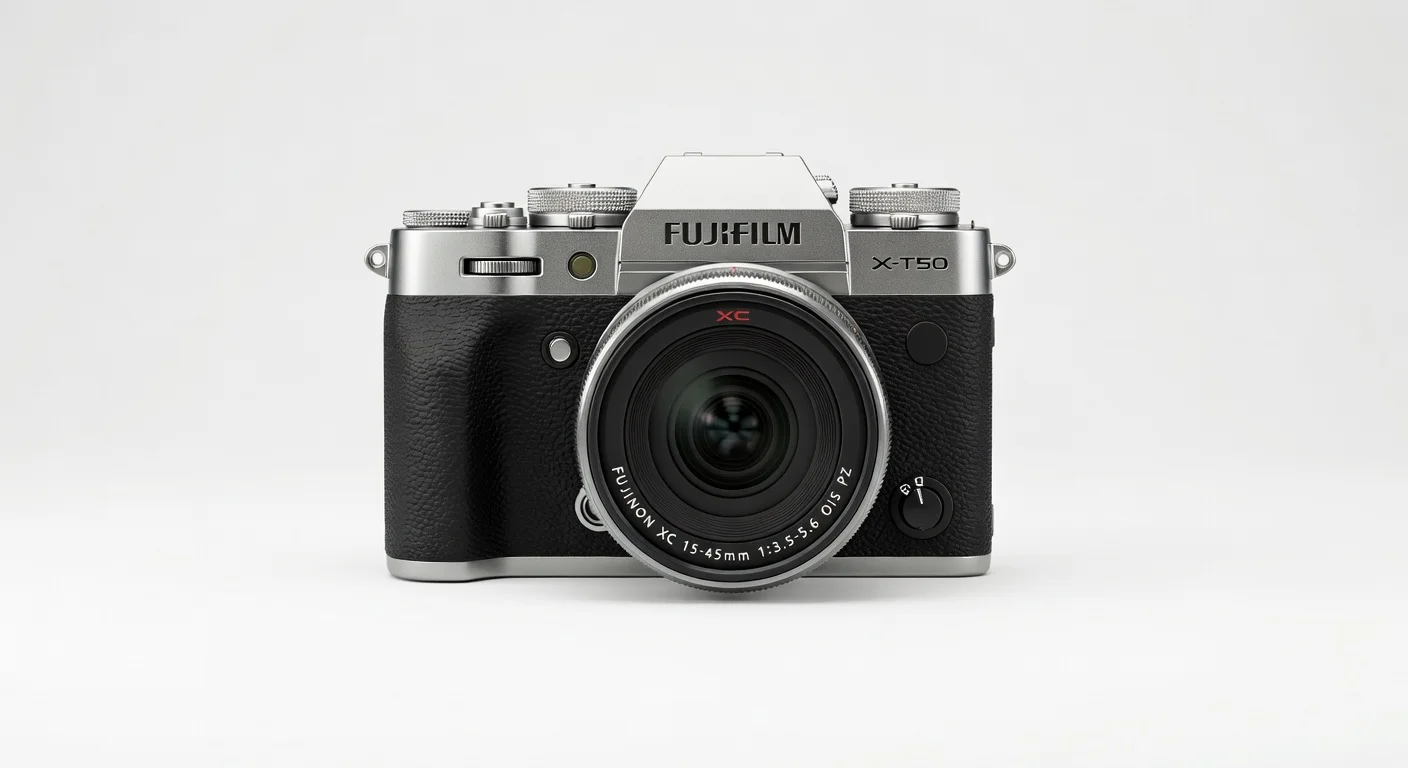
Fujifilm X-T50
★★★★ 4.3
✔ prime
- ✓Delivers exceptional image quality with a 40.2MP sensor for detailed stills.
- ✓Features a compact, weather-sealed design ideal for travel and street photography.
- ✓Offers unique film simulation modes for creative out-of-camera results.
- ✓Includes 7-stop IBIS for stable handheld shooting.
- ✓Supports 6.2K video recording for high-quality cinematic output.
Table of Contents
Key Specifications
| Feature | Detail |
|---|---|
| Sensor | 40.2MP APS-C X-Trans CMOS 5 HR |
| Processor | X-Processor 5 |
| ISO Range | 125-12,800 (expandable to 64-51,200) |
| Video | 6.2K at 30fps, 4K at 60fps |
| Autofocus | 425-point phase-detection with AI subject tracking |
| Weight | 438g (with battery and card) |
| Price | $1,399 (body only) |
Design & Build Quality
The Fujifilm X-T50 is a masterclass in retro-inspired design, harking back to the golden age of film cameras while packing modern sensibilities. Its compact magnesium alloy body, weighing just 438 grams, feels premium yet portable, making it an ideal companion for street photographers and travel enthusiasts. The tactile dials for shutter speed, ISO, and exposure compensation offer a hands-on shooting experience that digital-first cameras often lack, appealing to purists and creatives alike.
Ergonomically, the X-T50 shines with a well-contoured grip that ensures comfort during extended shoots, though it might feel snug for users with larger hands. The weather-sealed construction adds durability, providing confidence in challenging conditions like light rain or dust. Available in classic silver and black, the camera’s aesthetic is undeniably striking, often drawing compliments from fellow gearheads—a testament to Fujifilm’s knack for blending form and function.
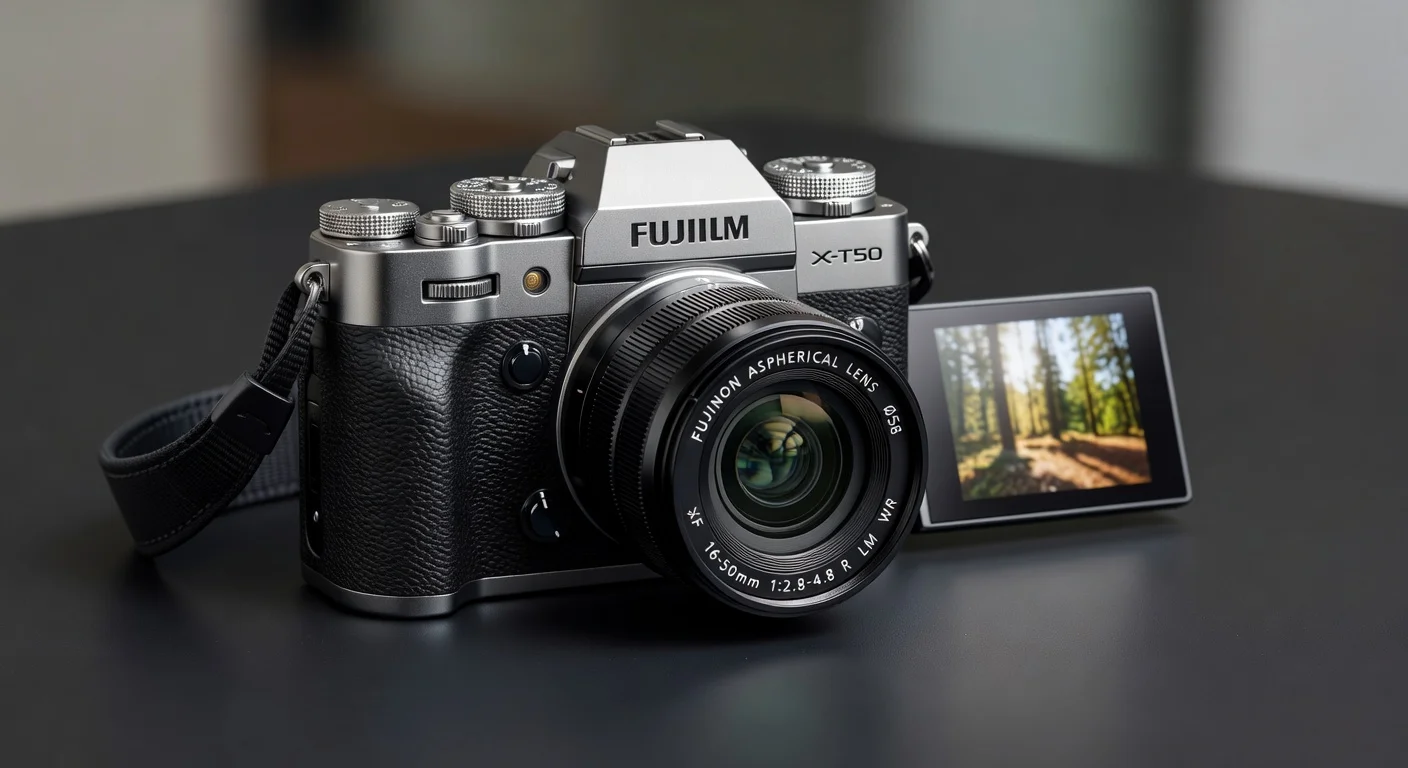
Attention to detail extends to the 3-inch tilting touchscreen and the high-resolution 2.36-million-dot EVF, both of which integrate seamlessly into the design. While the button layout is intuitive for Fujifilm veterans, newcomers might need a brief learning curve to navigate the hybrid control system. Overall, the X-T50’s build quality exudes craftsmanship that justifies its mid-range price point.
Performance
Under the hood, the Fujifilm X-T50 delivers exceptional performance thanks to its 40.2MP APS-C X-Trans CMOS 5 HR sensor paired with the X-Processor 5. This combo produces stunningly detailed images with rich colors and minimal noise, even at higher ISO settings like 6400. In real-world testing, the camera excels in dynamic range, capturing intricate details in both shadows and highlights—perfect for landscape and portrait photography.
Autofocus performance is another highlight, with a 425-point phase-detection system enhanced by AI-driven subject tracking. Whether shooting fast-moving subjects like pets or athletes, the X-T50 locks focus with impressive accuracy, though it occasionally stumbles in low-light scenarios compared to pricier full-frame rivals. Burst shooting at 8fps (mechanical shutter) or 20fps (electronic) ensures you won’t miss a moment, though buffer depth could be better when shooting RAW continuously.
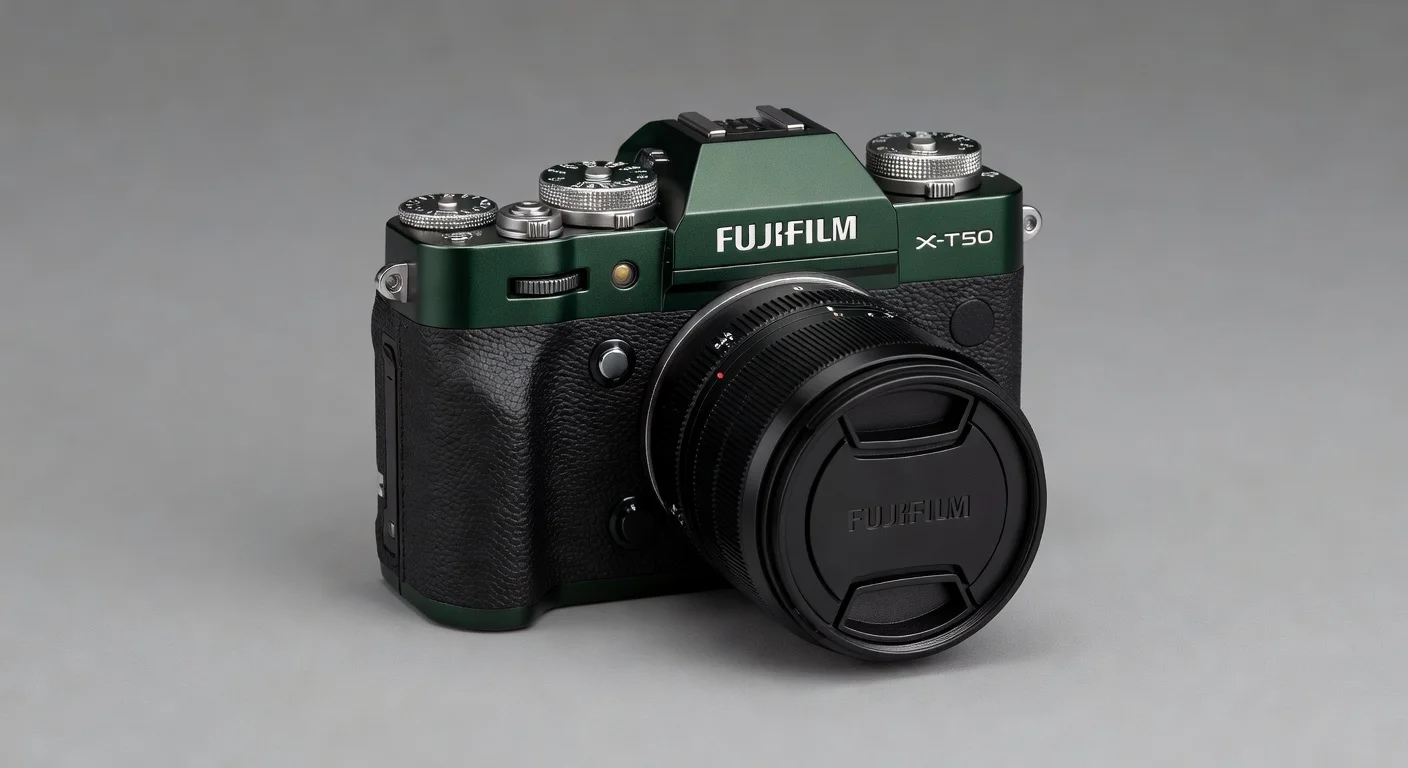
Video capabilities are equally robust, with 6.2K recording at 30fps and 4K at 60fps offering crisp, cinematic output. The inclusion of F-Log2 provides ample room for color grading, catering to hybrid shooters. While the lack of a dedicated headphone jack might disappoint serious videographers, the overall performance positions the X-T50 as a versatile powerhouse for its class.
Features & Software
The Fujifilm X-T50 is loaded with features that cater to both stills and video creators, including 20 film simulation modes that replicate the brand’s iconic analog looks like Provia and Velvia—perfect for achieving a unique aesthetic straight out of camera. The AI-enhanced autofocus with subject detection (humans, animals, and vehicles) simplifies complex shoots, while in-body image stabilization (IBIS) with up to 7 stops of compensation ensures sharp handheld shots, a standout in this price bracket.
On the software front, Fujifilm’s companion app allows seamless image transfer and remote control, though it’s not the most intuitive compared to competitors. Customizable settings via the Q Menu and touchscreen interface make operation a breeze, ensuring photographers can adapt on the fly. These thoughtful additions make the X-T50 a joy to use for both amateurs and seasoned pros looking for creative flexibility.
Value Proposition
Priced at $1,399 (body only), the Fujifilm X-T50 offers compelling value for a mid-range mirrorless camera in 2026. It strikes a sweet spot between affordability and premium features, delivering a high-resolution sensor, advanced autofocus, and robust video capabilities that rival cameras costing hundreds more. For photographers prioritizing portability and unique film simulations, it’s hard to beat this package.
When weighed against competitors, the X-T50 holds its own, especially for those already invested in Fujifilm’s X-mount lens ecosystem. While it may lack some of the polish or raw power of higher-end models, its combination of style, performance, and price makes it an attractive option for enthusiasts and content creators who don’t need full-frame heft.
How It Compares
Compared to the Sony ZV-E10 II, the Fujifilm X-T50 offers superior stills performance with its 40.2MP sensor and tactile controls, though it falls short in video autofocus fluidity, where Sony’s system shines for vloggers. Against the Canon EOS R50, the X-T50 stands out with better color science and film simulations, but Canon’s ecosystem and lens affordability might sway budget-conscious buyers. Both competitors are strong, yet the X-T50 carves a niche with its retro appeal and hybrid shooting prowess.

Pros and Cons
Pros
- Delivers exceptional image quality with a 40.2MP sensor for detailed stills.
- Features a compact, weather-sealed design ideal for travel and street photography.
- Offers unique film simulation modes for creative out-of-camera results.
- Includes 7-stop IBIS for stable handheld shooting.
- Supports 6.2K video recording for high-quality cinematic output.
Cons
- Lacks a headphone jack, limiting professional video monitoring.
- Has a smaller grip that may feel cramped for users with larger hands.
- Shows occasional autofocus inconsistency in low-light conditions.
- Features a companion app that feels less polished than competitors.
- Offers limited buffer depth for continuous RAW shooting.
FAQ
Q: Is the Fujifilm X-T50 good for beginners?
A: Yes, it’s beginner-friendly with intuitive controls and film simulations for instant results, though the hybrid dial system may require a short learning curve.
Q: Does the X-T50 support external microphones for video?
A: Yes, it has a 3.5mm microphone input, but lacks a headphone jack for monitoring audio.
Q: How does the X-T50 handle high ISO settings?
A: It performs well up to ISO 6400 with minimal noise, though grain becomes noticeable beyond 12,800.
Q: Is the Fujifilm X-T50 weather-sealed?
A: Yes, it features weather sealing, making it suitable for light rain and dusty environments.
Q: Can I use older Fujifilm lenses with the X-T50?
A: Absolutely, it’s compatible with all X-mount lenses, offering a wide range of options.
Verdict
The Fujifilm X-T50 is best suited for enthusiast photographers and hybrid shooters who crave a compact, stylish camera with exceptional image quality and creative flexibility. It’s an ideal pick for street, travel, and portrait photography, especially for those who value Fujifilm’s signature film simulations. If you’re after a mid-range mirrorless that punches above its weight, this 2026 release is a standout choice.
Where to Buy
Pros
- ✓ Delivers exceptional image quality with a 40.2MP sensor for detailed stills.
- ✓ Features a compact, weather-sealed design ideal for travel and street photography.
- ✓ Offers unique film simulation modes for creative out-of-camera results.
- ✓ Includes 7-stop IBIS for stable handheld shooting.
- ✓ Supports 6.2K video recording for high-quality cinematic output.
Cons
- ✗ Lacks a headphone jack, limiting professional video monitoring.
- ✗ Has a smaller grip that may feel cramped for users with larger hands.
- ✗ Shows occasional autofocus inconsistency in low-light conditions.
- ✗ Features a companion app that feels less polished than competitors.
- ✗ Offers limited buffer depth for continuous RAW shooting.
Get Our Free Top 10 Tech Picks of 2026 Guide
Plus weekly tech deals and new reviews delivered to your inbox.
[cp_email_signup]
No spam. Unsubscribe anytime.
Ready to buy the Fujifilm X-T50?
Affiliate link — we may earn a commission at no extra cost to you.