





In 2026, the DJI Mini 3 remains a benchmark for lightweight drones, offering exceptional portability without compromising on image quality. This comprehensive review dives into its real-world performance, innovative features, and why it continues to be a favorite among tech enthusiasts and content creators alike. Whether you’re a seasoned pilot or just starting out, the Mini 3 delivers impressive results.
Table of Contents
Key Specifications
| Feature | Detail |
|---|---|
| Weight | < 249 g |
| Dimensions (Folded) | 148 × 90 × 62 mm |
| Camera Sensor | 1/1.3-inch CMOS |
| Max Video Resolution | 4K/30fps HDR, 1080p/120fps |
| Photo Resolution | 12 MP |
| Max Flight Time | Up to 38 minutes |
| Transmission System | OcuSync 3.0 |
| Max Transmission Distance | 10 km (FCC) |
| Gimbal | 3-Axis Mechanical |
| Obstacle Sensing | Downward Vision |
| Max Speed | 57.6 km/h |
Design & Build Quality
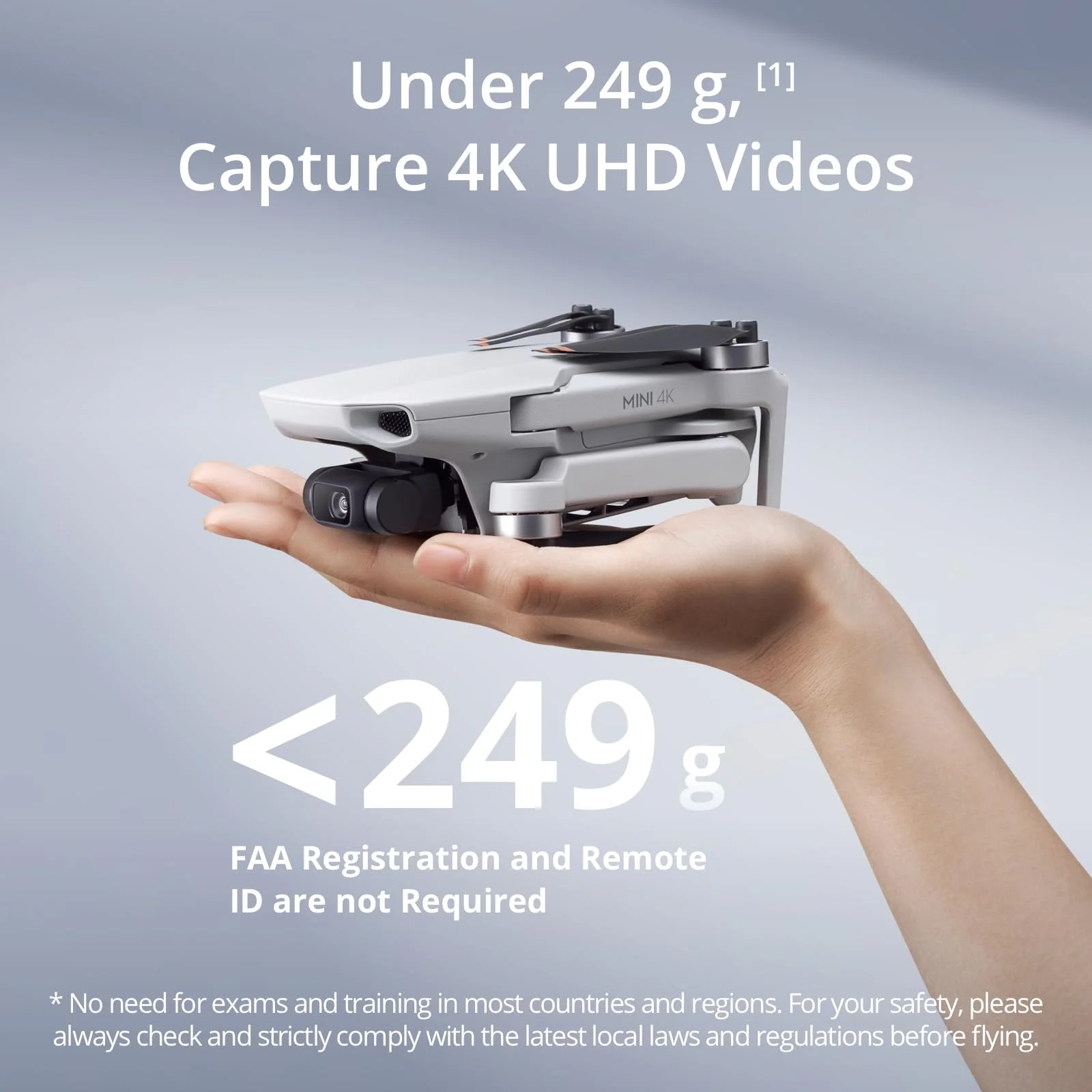
The DJI Mini 3 features a remarkably compact foldable design that prioritizes portability while maintaining structural integrity. Constructed from high-grade composites and reinforced plastics, the drone tips the scales at under 249 grams, eliminating registration requirements in most jurisdictions. When folded, it measures just 148 × 90 × 62 mm, allowing it to slip easily into a jacket pocket or small camera bag — a significant advantage for travel-focused creators in 2026.
Build quality exceeds expectations for its weight class. The folding mechanisms operate with satisfying precision and have proven durable through repeated use. The matte gray finish resists fingerprints while projecting a professional aesthetic that appeals to tech-savvy users. ergonomically, the aircraft balances perfectly during flight, and the redesigned controller offers comfortable ergonomics with intuitive button placement and responsive joysticks that reduce hand fatigue during extended sessions.
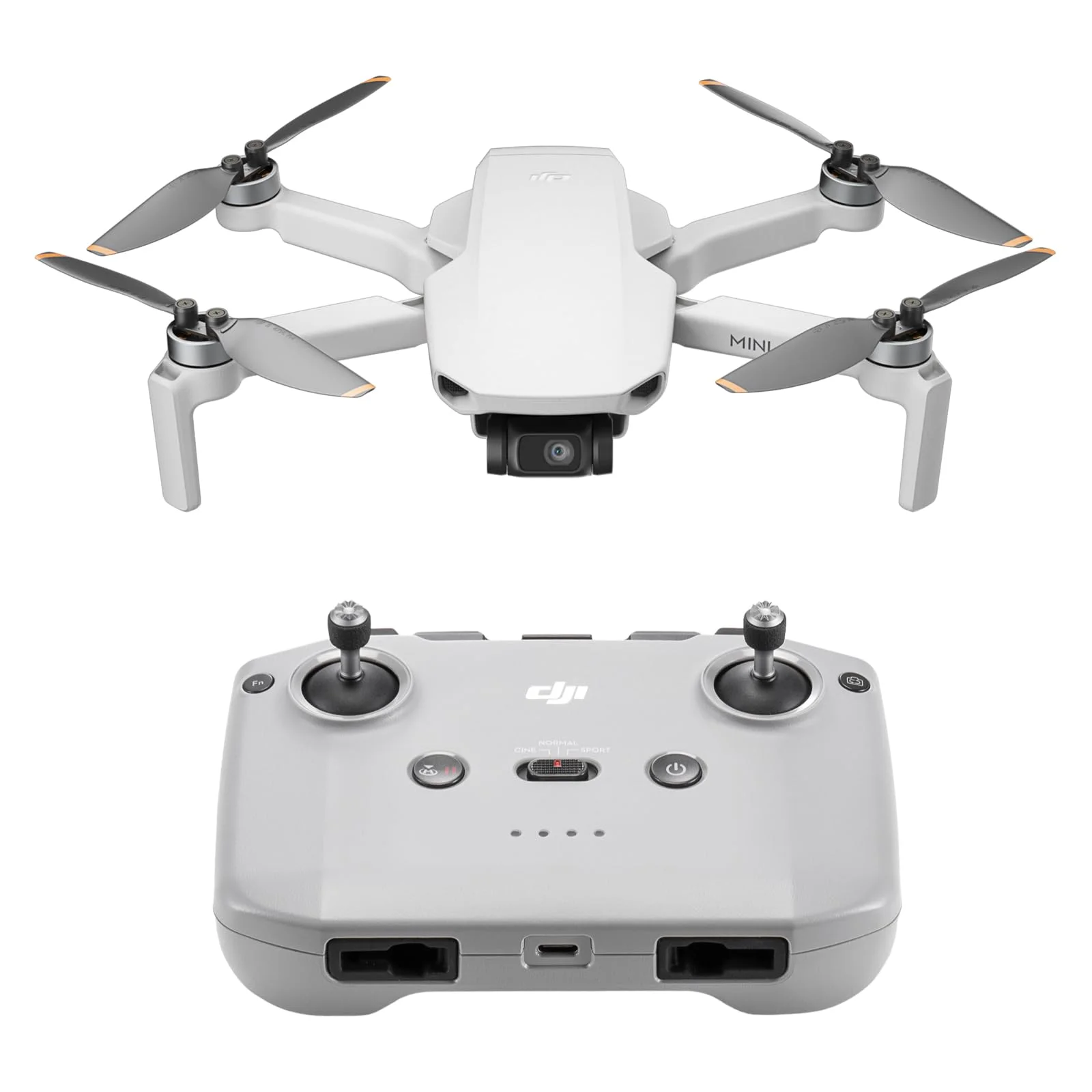
Despite its featherweight construction, the Mini 3 feels surprisingly robust. The gimbal is well-protected when folded, and the overall build inspires confidence for everyday carry. Minor design touches like the quick-release propeller system and easily accessible microSD slot demonstrate thoughtful engineering that enhances the user experience.
Performance
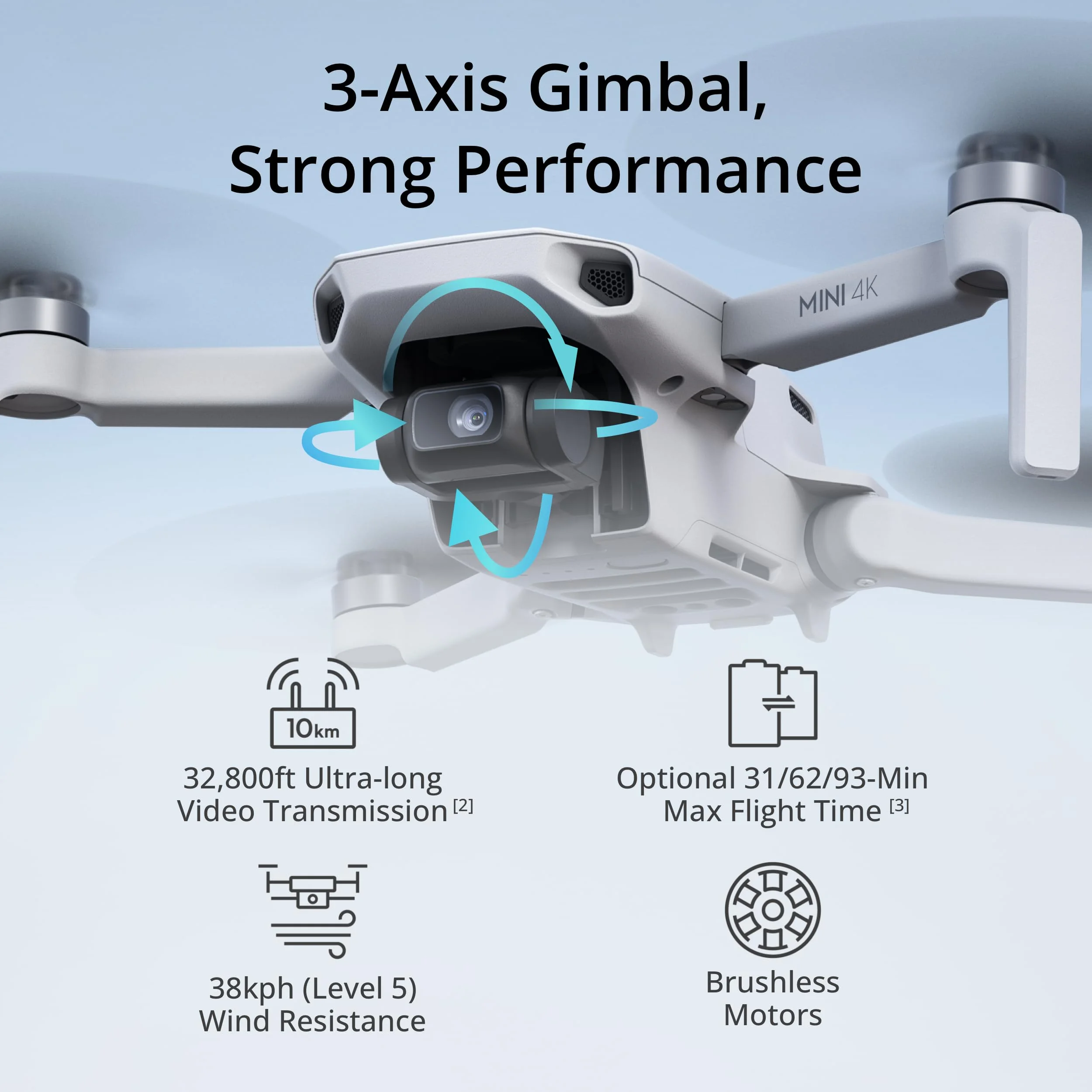
In real-world testing throughout 2026, the DJI Mini 3 consistently delivers stable, cinematic footage even in moderate wind conditions up to 25 mph. The 3-axis mechanical gimbal effectively eliminates shake, producing buttery-smooth 4K HDR video with excellent dynamic range and accurate colors straight out of camera. Battery life regularly exceeds 32 minutes in mixed flying scenarios, approaching the rated 38 minutes in optimal conditions with the standard Intelligent Flight Battery.
Performance benchmarks reveal responsive handling with minimal latency thanks to the OcuSync 3.0 transmission system. The drone reaches 57.6 km/h in Sport mode while maintaining precise control, making it suitable for both leisurely landscape shots and more dynamic tracking sequences. Downward vision sensors provide reliable positioning indoors and at low altitudes, though pilots must remain vigilant without forward obstacle avoidance.
The camera’s 1/1.3-inch sensor punches above its weight, capturing detailed 12MP stills and video with impressive low-light performance for its class. Color science in both photo and video modes is excellent, requiring minimal post-processing for professional results. Speed of operation from power-on to takeoff is notably quick, making the Mini 3 ideal for capturing spontaneous moments during travel or events.
Features & Software
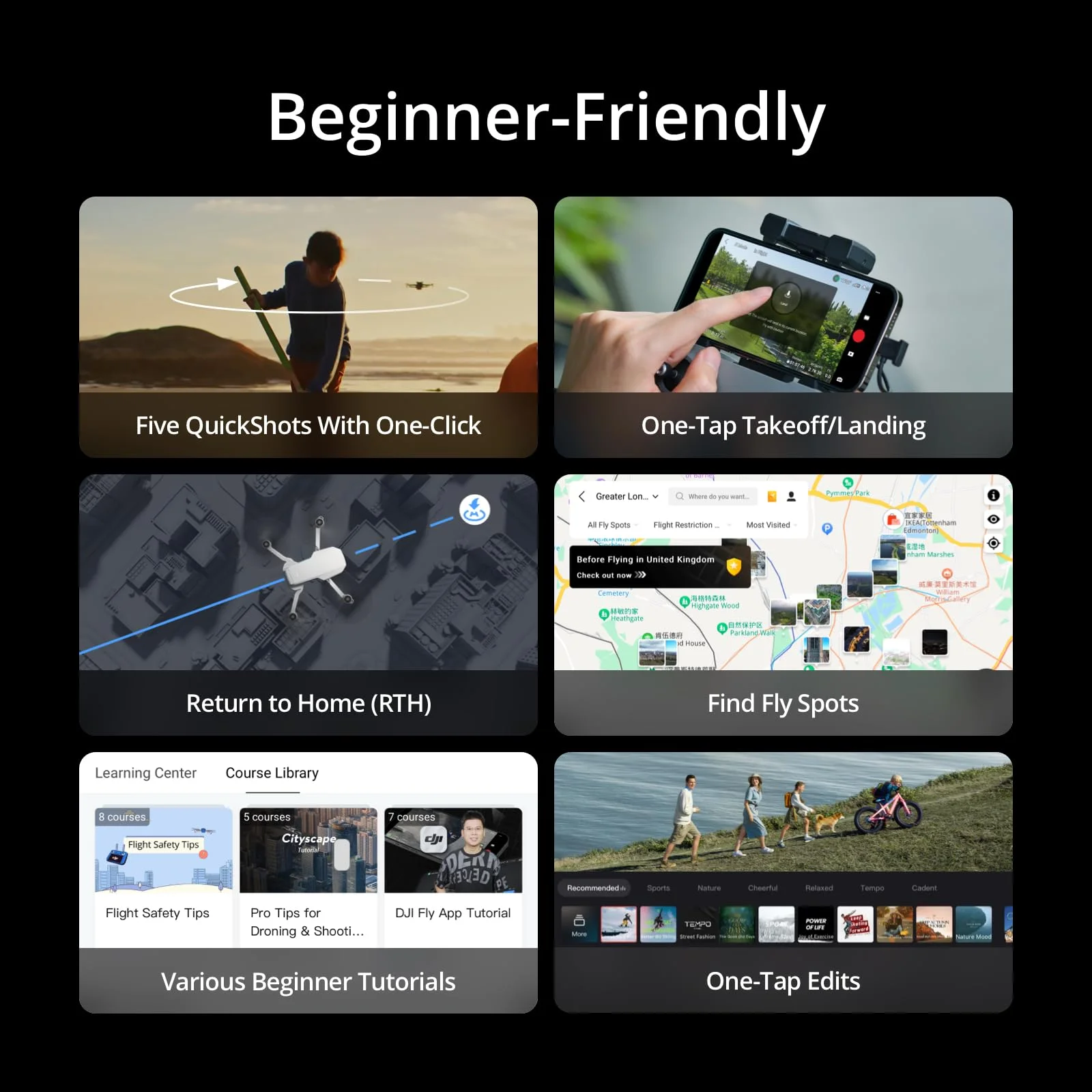
The DJI Mini 3 excels with standout features like True Vertical Shooting, which rotates the camera 90 degrees for perfect social media content without cropping. QuickShots and MasterShots provide automated cinematic sequences, while the 120fps 1080p slow-motion capability adds creative flexibility. The 3-axis mechanical gimbal combined with HDR video delivers remarkably stable and vibrant footage that rivals drones twice the price.
The DJI Fly app continues to offer one of the most polished software experiences in consumer drones. The interface is clean and intuitive for tech-savvy users, with comprehensive flight telemetry, intelligent flight modes, and built-in editing tools. Regular firmware updates have enhanced stability and added minor quality-of-life improvements, maintaining the Mini 3’s relevance well into 2026.
Value Proposition
The DJI Mini 3 delivers exceptional value by offering near-professional aerial capabilities at a price point significantly below flagship models. For creators who prioritize portability and image quality over advanced autonomy features, it represents one of the smartest investments in the current drone market. Its combination of 4K HDR video, class-leading flight time, and true pocketability provides performance that belies its accessible cost.
When compared to competitors, the Mini 3 strikes an ideal balance between capability and affordability. It avoids the premium tax of models with features many users won’t fully utilize while delivering core functionality that satisfies both beginners and experienced pilots. In 2026, it remains a compelling choice for those seeking maximum capability per dollar spent.
How It Compares
Against the DJI Mini 3 Pro, the standard Mini 3 trades tri-directional obstacle sensing and a slightly upgraded camera for a substantially lower price. While the Pro version offers greater peace of mind in complex environments, the Mini 3 delivers nearly identical image quality and flight times for users who fly in open areas or possess careful piloting skills.
The Mini 3 also outperforms the Autel Evo Nano+ in transmission reliability and ecosystem support. While the Autel offers competitive imaging, DJI’s superior app experience, broader accessory range, and more refined flight characteristics give the Mini 3 a clear edge for most tech-savvy users seeking a long-term investment.
Pros and Cons
Pros
- Delivers stunning 4K HDR footage with excellent color accuracy and dynamic range that rivals more expensive drones.
- Exceptional portability from its sub-249g weight and compact folding design makes it perfect for travel and everyday carry.
- Provides impressive 38-minute flight times that consistently outperform most competitors in its class.
- Features the intuitive and regularly updated DJI Fly app that offers a seamless user experience for pilots of all levels.
- Represents outstanding value with professional-grade results at an accessible price point in 2026.
Cons
- Lacks forward and omnidirectional obstacle avoidance sensors, requiring more attentive piloting in complex environments.
- Video recording is limited to 30fps at 4K resolution, restricting high-frame-rate creative options in the highest quality.
- The lightweight plastic construction, while durable for its weight, may not survive heavy crashes as well as premium builds.
- Standard controller requires a smartphone connection which can drain phone battery during long shooting sessions.
- Average wind resistance means performance drops noticeably in gusty conditions compared to heavier drones.
FAQ
Q: Is the DJI Mini 3 still worth buying in 2026?
A: Yes, it remains an excellent choice for its class-leading portability, image quality, and value, particularly if you don’t require advanced obstacle avoidance.
Q: Does the DJI Mini 3 require FAA registration or equivalent?
A: No. At under 249 grams, it typically does not require registration in most regions including the United States.
Q: How does the camera quality compare to smartphone cameras?
A: The Mini 3’s 1/1.3-inch sensor and 3-axis mechanical gimbal deliver significantly more stable and cinematic footage with better dynamic range than any smartphone.
Q: Can beginners fly the DJI Mini 3 effectively?
A: Absolutely. Its stable flight characteristics, intuitive controls, and beginner-friendly modes in the DJI Fly app make it an ideal starter drone.
Q: Does it support RAW photo capture?
A: Yes, the Mini 3 supports DNG RAW photo format, giving photographers greater flexibility in post-processing.
Verdict
The DJI Mini 3 is best suited for travelers, content creators, and tech enthusiasts who want professional-grade aerial imagery in an ultra-portable package. Its exceptional balance of image quality, flight time, and ease of use makes it an outstanding choice for those who value convenience and results over the latest autonomous features. In 2026, it continues to deliver remarkable performance that exceeds expectations for its price point.
Pros
- ✓ Delivers stunning 4K HDR footage with excellent color accuracy and dynamic range that rivals more expensive drones.
- ✓ Exceptional portability from its sub-249g weight and compact folding design makes it perfect for travel and everyday carry.
- ✓ Provides impressive 38-minute flight times that consistently outperform most competitors in its class.
- ✓ Features the intuitive and regularly updated DJI Fly app that offers a seamless user experience for pilots of all levels.
- ✓ Represents outstanding value with professional-grade results at an accessible price point in 2026.
Cons
- ✗ Lacks forward and omnidirectional obstacle avoidance sensors, requiring more attentive piloting in complex environments.
- ✗ Video recording is limited to 30fps at 4K resolution, restricting high-frame-rate creative options in the highest quality.
- ✗ The lightweight plastic construction, while durable for its weight, may not survive heavy crashes as well as premium builds.
- ✗ Standard controller requires a smartphone connection which can drain phone battery during long shooting sessions.
- ✗ Average wind resistance means performance drops noticeably in gusty conditions compared to heavier drones.
Where to Buy the DJI Mini 3





Prices may vary. Affiliate links — we may earn a commission at no extra cost to you.
Related Reviews

Affiliate links — we may earn a commission at no extra cost to you.