Tech Essentials










For athletes, the choice between immersive audio and situational awareness has long been a frustrating compromise. Philips enters this arena with the TAA6219, a pair of open-ear headphones designed to deliver your soundtrack without silencing the world around you. This unique approach aims to blend safety and performance in a single, lightweight package.
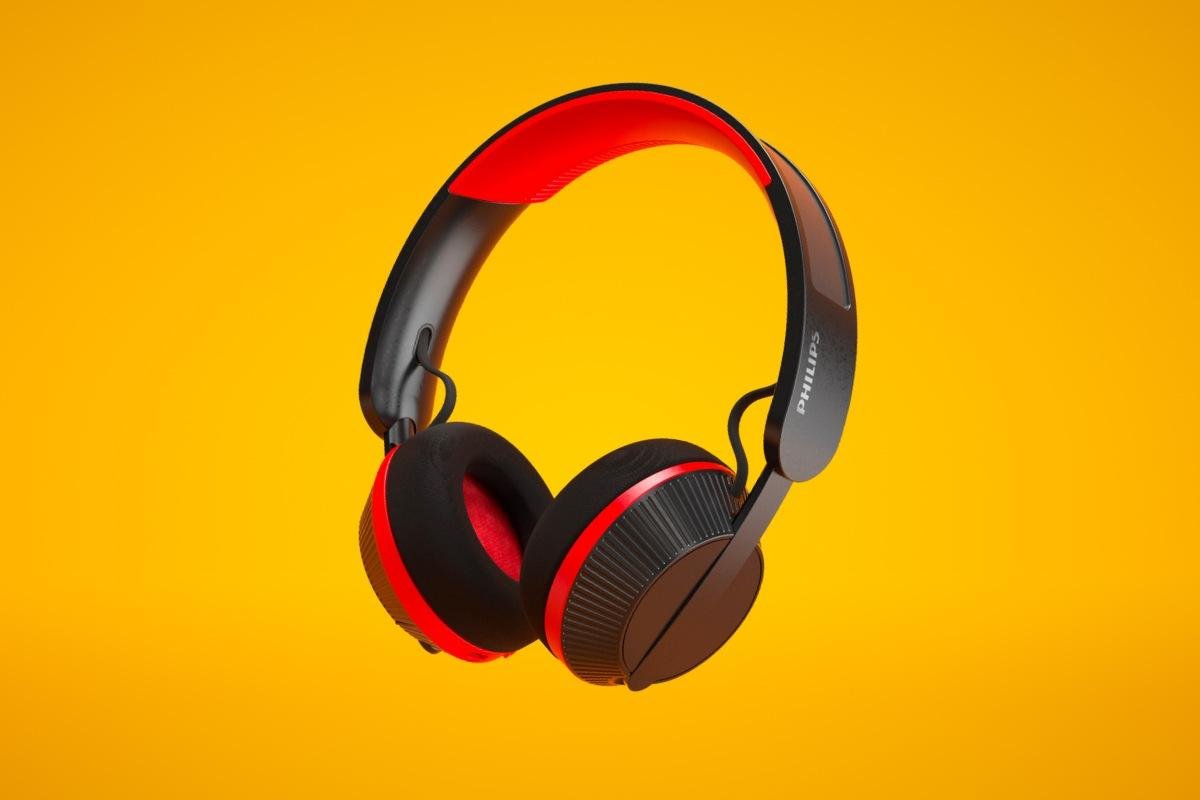
The Philips TAA6219 uses bone conduction technology, a method that bypasses the ear canal entirely by sending vibrations through your cheekbones to your inner ear. The primary benefit is immediately obvious: your ears remain completely open, allowing you to hear approaching traffic, cyclists, or fellow pedestrians. In terms of design, Philips has crafted a sleek and functional device. A flexible, lightweight titanium band connects the two transducers, ensuring a secure yet comfortable fit that resists bouncing during vigorous activity. The entire unit is coated in a soft-touch silicone, and with an IPX5 rating, it can easily handle sweat and light rain, making it a reliable workout partner. A standout feature is the integrated LED running light on the back of the band, a simple but brilliant addition that significantly boosts visibility for dawn or dusk excursions.
When it comes to audio performance, it’s crucial to set expectations. Bone conduction technology is a trade-off, sacrificing audiophile-grade fidelity for real-world safety. The TAA6219 delivers clear and articulate mids, making it excellent for podcasts, audiobooks, and vocal-centric music. However, as with nearly all bone conduction headphones, the bass response is noticeably weak. Driving, bass-heavy tracks lose their punch, feeling more like a suggestion of low-end than a physical presence. At higher volumes, two other inherent traits of the technology appear: a “tickling” vibration on the cheekbones and noticeable sound leakage that might be audible to those nearby in a quiet environment. These aren’t deal-breakers for outdoor use, but they’re limitations worth noting.
Usability is a strong point. The physical controls are straightforward, with buttons for volume, track control, and power that are tactile enough to be operated without looking. Pairing via Bluetooth 5.3 is fast and stable, and the multi-point connection allows you to be linked to your phone and smartwatch simultaneously. Philips quotes an 8-hour battery life, which holds up well in real-world testing at moderate volumes. Charging is handled by a proprietary magnetic cable that snaps into place effortlessly, though its proprietary nature means you’ll need to remember to pack it on trips.
Ultimately, the Philips TAA6219 carves out a compelling niche. It’s not trying to compete with the sound quality of a pair of Sony or Bose headphones; it’s competing on safety and convenience for a very specific user. For runners, cyclists, and outdoor enthusiasts who prioritize hearing their surroundings, these are an excellent choice. The combination of a secure fit, solid battery life, and the uniquely valuable LED safety light makes the TAA6219 a well-executed tool for the job and a strong contender in the growing sports headphone market.
Where to Buy:

Philips TAA6219 on-ear sports headphones Quick Summary
Key Scores:
-
Value:
85% -
Design:
90% -
Performance:
88% -
Quality:
87% -
Popularity:
75%
Top Pros
- ✅ Open-ear design provides excellent awareness of your surroundings.
- ✅ Integrated LED running light significantly enhances nighttime visibility.
- ✅ Lightweight titanium frame remains comfortable during long workouts.
- …
Key Cons
- ❌ Audio fidelity, particularly bass, is weaker than traditional headphones.
- ❌ Significant sound leakage occurs when listening at higher volumes.
- ❌ Proprietary magnetic charger can be inconvenient if lost or forgotten.