Tech Essentials




The handheld PC market has become a fierce battleground, and MSI is entering the fray with a bold new contender. The MSI Claw A1M challenges the established order not with another AMD chip, but by placing a significant bet on Intel’s new Core Ultra processors. This move alone makes it one of the most intriguing and closely watched devices of the year.
The elephant in the room with any gaming handheld is performance, and this is where the Claw’s story becomes complicated. As the first major device to ship with an Intel Core Ultra processor and integrated Arc graphics, it carries the burden of being a pioneer. In demanding modern titles like Alan Wake 2 or Cyberpunk 2077, the Claw struggles to keep pace with its key AMD-powered rivals, the ASUS ROG Ally and Lenovo Legion Go. At similar power draws, it often delivers noticeably lower and less consistent frame rates, requiring more aggressive settings compromises to achieve a stable gameplay experience. Much of this can be attributed to immature graphics drivers and a lack of game-specific optimizations for the new architecture. While Intel’s XeSS upscaling technology provides a helpful performance boost, it doesn’t fully bridge the raw power gap. There is clear potential for improvement as drivers mature, but early adopters are buying into a promise rather than a proven performer.
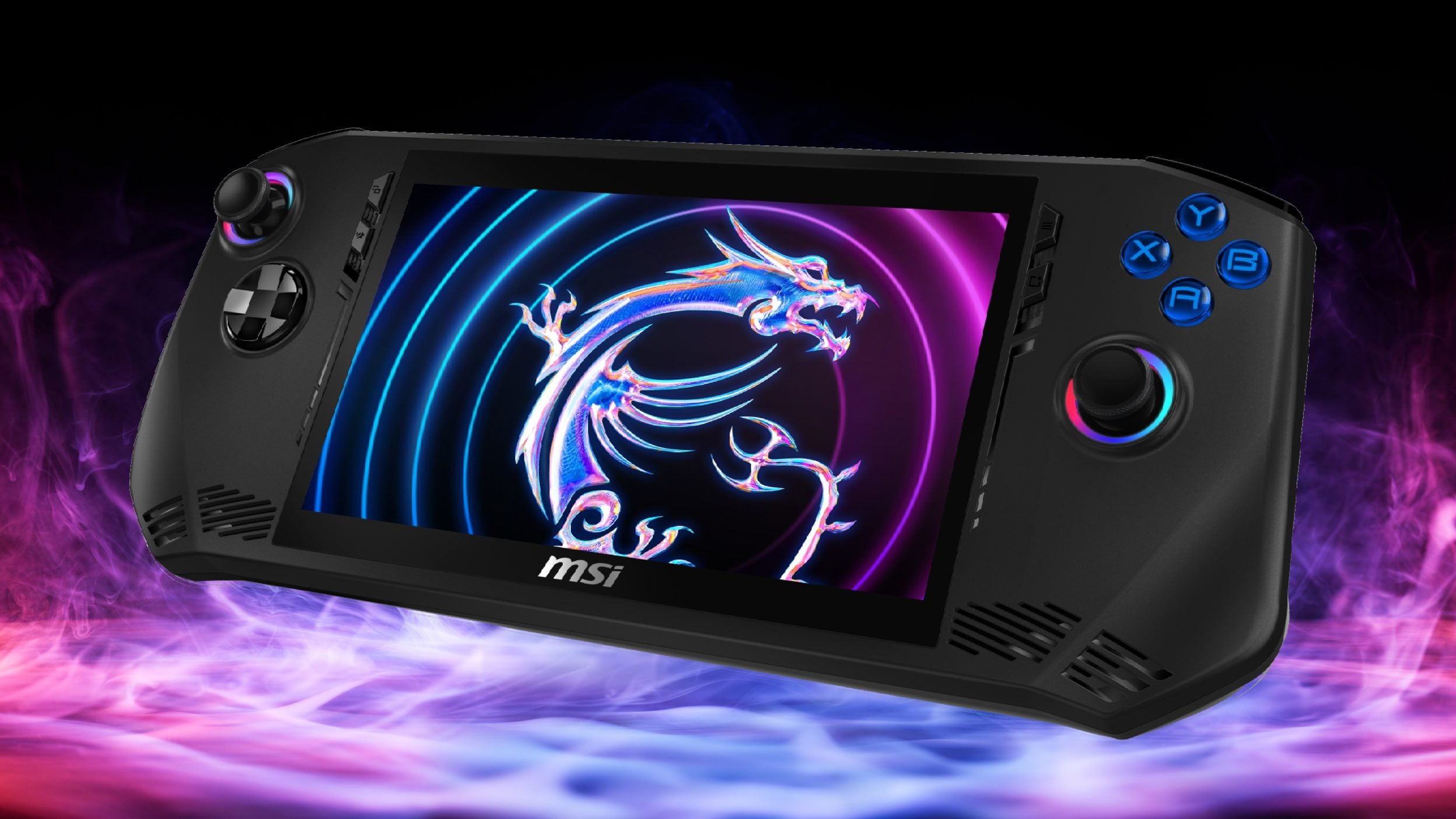
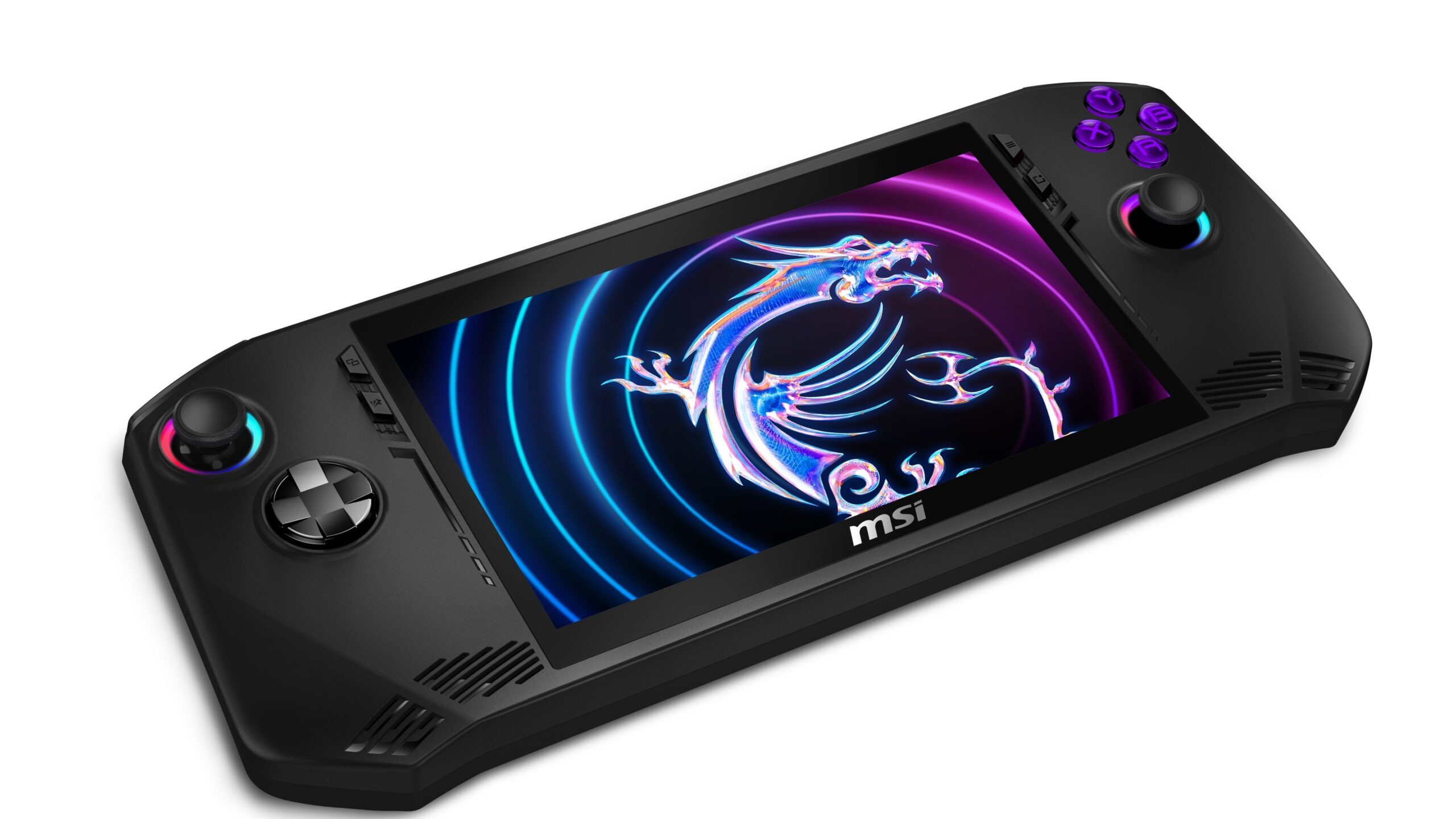
Where the Claw unequivocally excels is in its physical construction and ergonomics. MSI has engineered a device that feels fantastic to hold. The chassis is robust, with thoughtfully sculpted grips and a balanced weight that makes it comfortable for multi-hour gaming sessions. The star of the show is the inclusion of Hall effect joysticks and triggers. By using magnets for motion detection, they are immune to the stick drift that can plague traditional components over time, representing a significant upgrade in durability and long-term value. The buttons are tactile, the D-pad is responsive, and the overall build quality feels a step above many of its competitors, cementing it as a truly premium piece of hardware.
The Claw features a 7-inch, 1920×1080 IPS display with a 120Hz refresh rate and, crucially, support for Variable Refresh Rate (VRR). The screen is bright, color-accurate, and beautifully fluid in motion. VRR is a vital feature for a device in this class, as it smooths out performance fluctuations by synchronizing the screen’s refresh rate with the GPU’s output, making sub-60fps gameplay feel significantly less jarring. However, the software experience is less polished. MSI Center M serves as the device’s command center, but it feels less refined and intuitive than the software on competing handhelds. It runs on top of Windows 11, which offers maximum compatibility but also introduces the usual desktop OS clunkiness on a small screen. Despite its large 53Whr battery—bigger than its direct rivals—real-world longevity is underwhelming, as the Intel chip appears less efficient under load, often draining power faster than the competition.
Ultimately, the MSI Claw is a device of contrasts. It pairs a best-in-class chassis and premium components with performance that is, for now, decidedly second-best. It’s a well-built, comfortable machine with a gorgeous screen and future-proof controls, but it’s held back by the software and driver ecosystem for its novel Intel silicon. This makes its premium price a tough sell against rivals that simply play today’s most demanding games better.
The MSI Claw is best for a tech enthusiast who is patient and willing to bet on Intel’s ability to dramatically improve performance through future driver updates. It’s also an excellent choice for gamers who prioritize superior ergonomics and build quality for playing less-demanding indie games and older titles where the performance deficit is less of a factor. For everyone else seeking the most powerful and polished handheld gaming experience available right now, the established AMD-based alternatives remain the more logical choice.
Where to Buy:
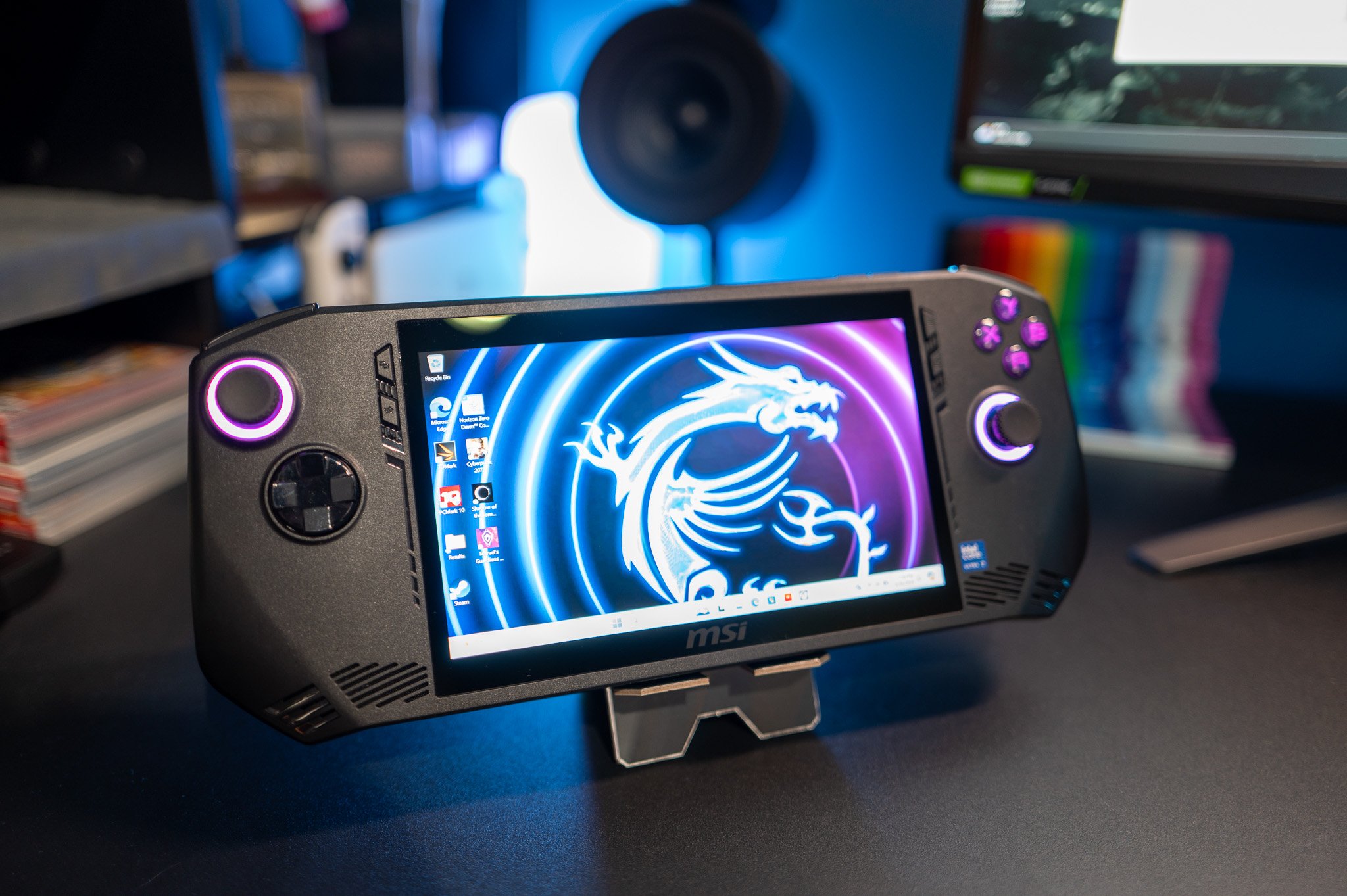
MSI Claw Handheld PC Quick Summary
Key Scores:
-
Value:
60% -
Design:
75% -
Performance:
65% -
Quality:
80% -
Popularity:
68%
Top Pros
- ✅ Hall effect joysticks prevent stick drift for long-term durability.
- ✅ Ergonomics and build quality feel exceptionally comfortable and premium.
- ✅ The 120Hz VRR display is vibrant, bright, and silky smooth.
- …
Key Cons
- ❌ Gaming performance currently lags behind its direct AMD competitors.
- ❌ The MSI Center M software feels unpolished and lacks intuitive design.
- ❌ Battery life is disappointing despite its larger physical capacity.
- …