Tech Essentials










The smart ring market, long dominated by a single key player, is about to get a serious shake-up. Samsung’s long-rumored Galaxy Ring is finally stepping out of the shadows, promising a more discreet and integrated way to track our health. This tiny wearable could redefine how we interact with our personal data and the broader Galaxy ecosystem.
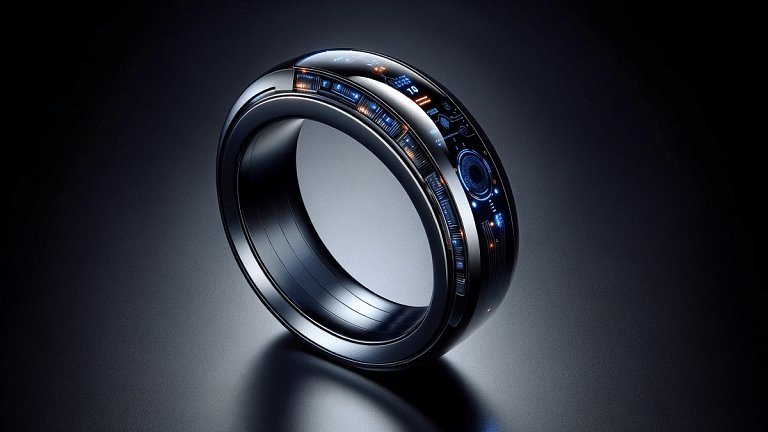
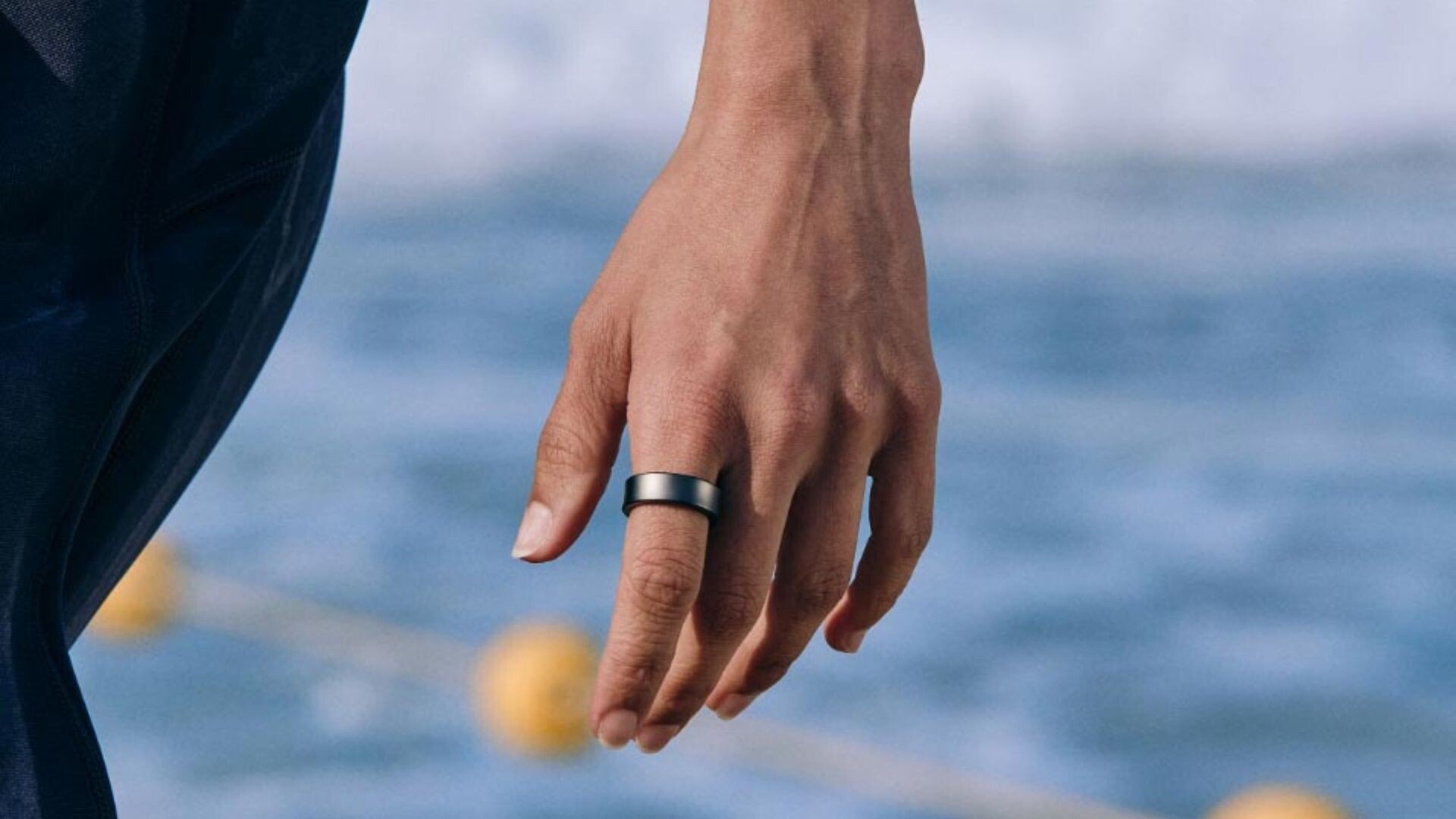
After its initial tease, Samsung has given us a closer look at the Galaxy Ring, and it’s clear the company is taking its first foray into this form factor very seriously. The design is minimalist yet refined, with a slightly concave profile that should help protect its polished finish from the inevitable scuffs of daily life. Offered in Platinum Silver, Ceramic Black, and Gold, and in a wide range of sizes, it’s built to be a piece of jewelry as much as a piece of tech. The build quality appears to be on par with other premium wearables, likely using a lightweight and durable material like titanium to ensure it’s comfortable enough for 24/7 wear, including sleep.

At its core, the Galaxy Ring is a health and wellness device, and its feature set is powered by Samsung’s established BioActive Sensor technology. We can expect a full suite of tracking capabilities, including heart rate, sleep analysis (monitoring movement and blood oxygen), and cycle tracking through skin temperature measurement. The real magic, however, lies in its integration with the Samsung Health platform. The Ring will introduce a new “My Vitality Score” based on sleep, activity, resting heart rate, and HRV, offering a clear, actionable snapshot of your readiness for the day. This data will sync seamlessly with information from a Galaxy Watch, allowing users to get a more holistic health overview without having to wear a bulky watch to bed.
The biggest question mark hanging over the Galaxy Ring is its value proposition, specifically concerning a potential subscription. The market leader, Oura, locks its most insightful analytics behind a monthly paywall. If Samsung makes the Galaxy Ring’s full feature set available without a recurring fee, it would be a monumental competitive advantage and a massive win for consumers. This move would position the Ring not just as a product but as a powerful, value-add component of the Galaxy ecosystem. However, its appeal may be limited initially, as early indicators suggest it will be exclusive to Android users at launch, potentially alienating a significant portion of the market.
Ultimately, the Samsung Galaxy Ring represents a confident and necessary step forward for wearables. It’s for the tech enthusiast who wants comprehensive health tracking without the screen and notifications of a smartwatch, especially during sleep. For existing Samsung users, it promises to be an almost essential companion piece, enriching the data in an ecosystem they already trust. While it may not convert iPhone users on day one, its sleek design and potential subscription-free model are compelling enough to make the entire industry take notice.
Where to Buy:

Samsung Galaxy Ring (Teased) Quick Summary
Key Scores:
-
Value:
80% -
Design:
90% -
Performance:
87% -
Quality:
90% -
Popularity:
92%
Top Pros
- ✅ Seamless integration with the robust Samsung Health ecosystem is expected.
- ✅ The minimalist design appears more comfortable and discreet than a smartwatch.
- ✅ It will likely offer powerful health insights without a recurring subscription fee.
- …
Key Cons
- ❌ Initial device compatibility appears to be limited to Android phones only.
- ❌ As a first-generation product, it may lack certain refined software features.
- ❌ Real-world battery life and charging speed remain significant unknown factors.