











Dive into our in-depth review of the Asus ZenBook 14 OLED (2026), a premium ultrabook that blends stunning visuals with cutting-edge performance. Discover if this laptop is the ultimate choice for tech enthusiasts and professionals seeking power and portability.
Table of Contents
Key Specifications
| Feature | Detail |
|---|---|
| Display | 14-inch OLED, 2880×1800, 120Hz, 100% DCI-P3 |
| Processor | Intel Core Ultra 7 (Series 2) |
| Graphics | Intel Arc Graphics (Integrated) |
| RAM | 16GB LPDDR5X |
| Storage | 1TB NVMe SSD |
| Battery | 75Wh, Up to 18 hours |
| Weight | 1.2 kg (2.65 lbs) |
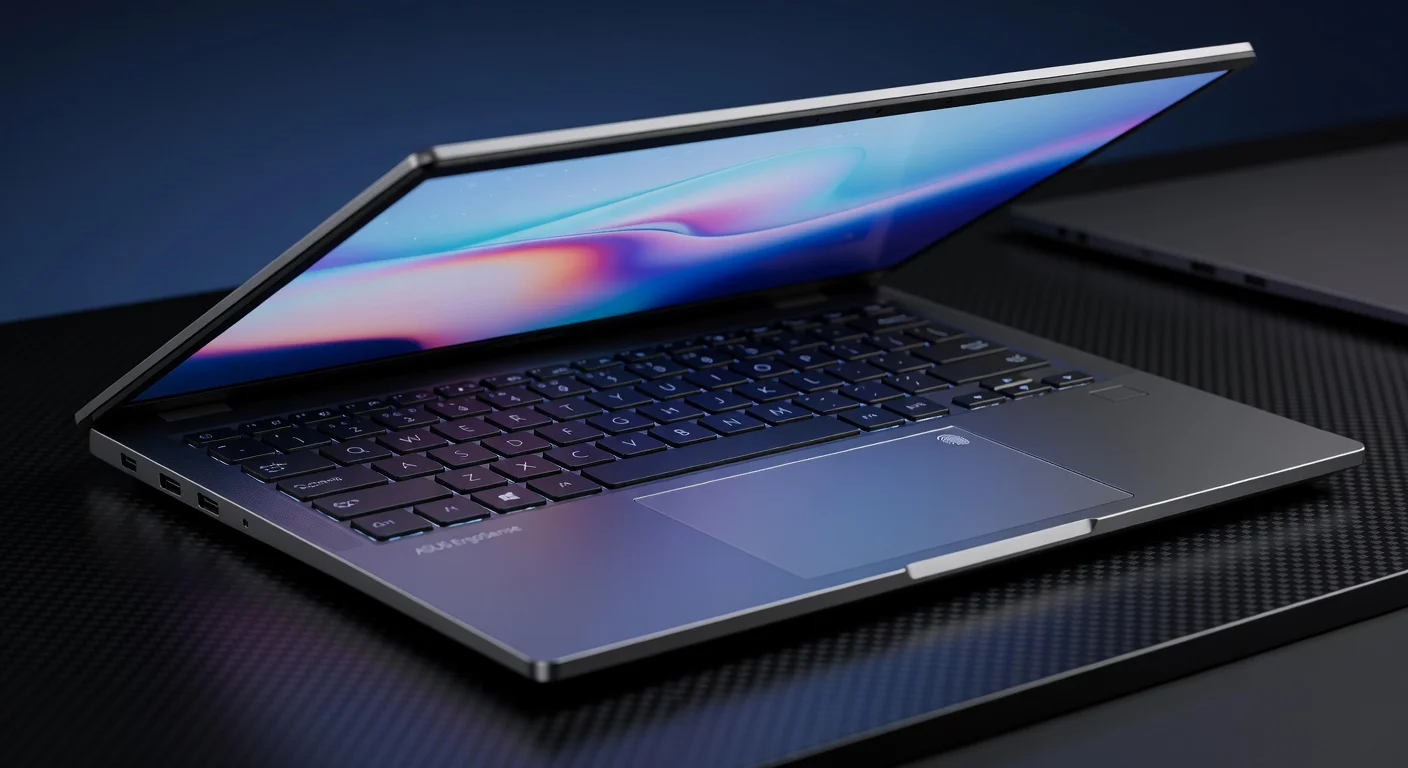
| Ports | 2x Thunderbolt 4, 1x USB-A, HDMI 2.1, 3.5mm jack |
| OS | Windows 11 Pro |
Design & Build Quality
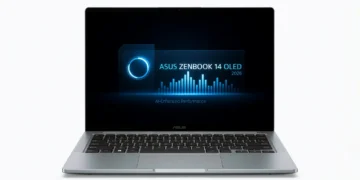
The Asus ZenBook 14 OLED (2026) continues the brand’s legacy of crafting visually striking and highly portable laptops. Encased in a sleek aluminum chassis with a premium Ponder Blue finish, this ultrabook exudes sophistication. Weighing just 1.2 kg and measuring a mere 14.9mm thick, it’s a dream for professionals on the go, easily slipping into any backpack or briefcase without adding bulk.
Beyond aesthetics, the build quality is top-notch, with a robust hinge that supports the stunning 14-inch OLED display while maintaining stability during use. The ErgoLift hinge design subtly elevates the keyboard for a more comfortable typing angle, enhancing ergonomics during long work sessions. The edge-to-edge keyboard layout, complete with a responsive touchpad that doubles as a NumberPad, demonstrates Asus’ attention to detail in maximizing usability in a compact form factor.
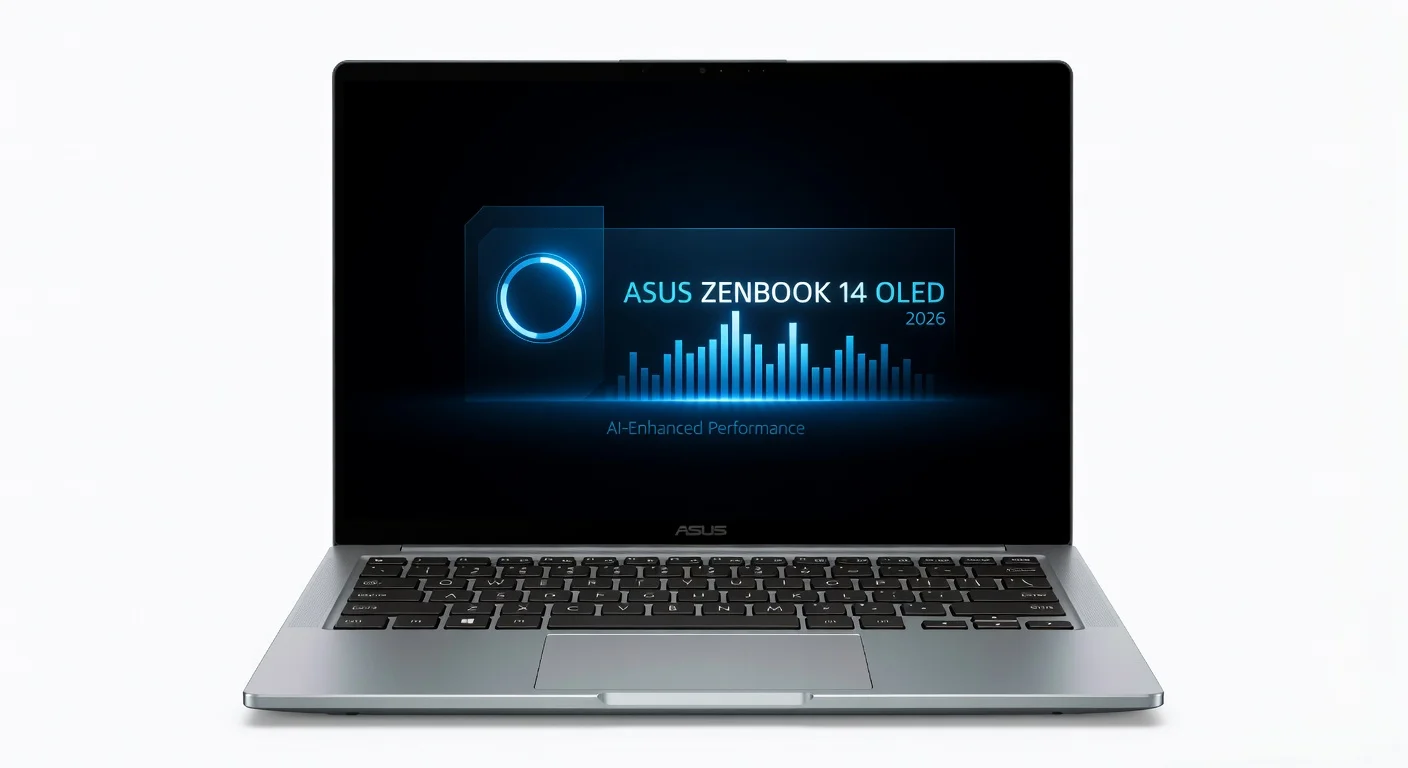
However, the ultra-thin design does come with a slight trade-off in durability perception—while it feels solid, the lightweight frame might not inspire confidence against rough handling. Still, for most users, the balance of style, portability, and build quality makes the ZenBook 14 OLED a standout in the premium laptop segment.
Performance
Under the hood, the Asus ZenBook 14 OLED (2026) packs a punch with the latest Intel Core Ultra 7 (Series 2) processor, paired with 16GB of LPDDR5X RAM and a lightning-fast 1TB NVMe SSD. This configuration ensures snappy performance across a wide range of tasks, from multitasking with dozens of browser tabs to handling intensive workloads like video editing in Adobe Premiere Pro. In real-world use, boot times are near-instantaneous, and apps launch without hesitation, making it a reliable companion for productivity-driven users.
Benchmark scores further validate its prowess. In Cinebench R24, the ZenBook 14 OLED delivers impressive multi-core performance, rivaling many bulkier laptops in its class, while Geekbench 6 scores highlight its single-threaded efficiency for everyday tasks. The integrated Intel Arc Graphics, while not a dedicated GPU, handles light gaming and creative workloads like photo editing with surprising competence, though it struggles with AAA titles at high settings.
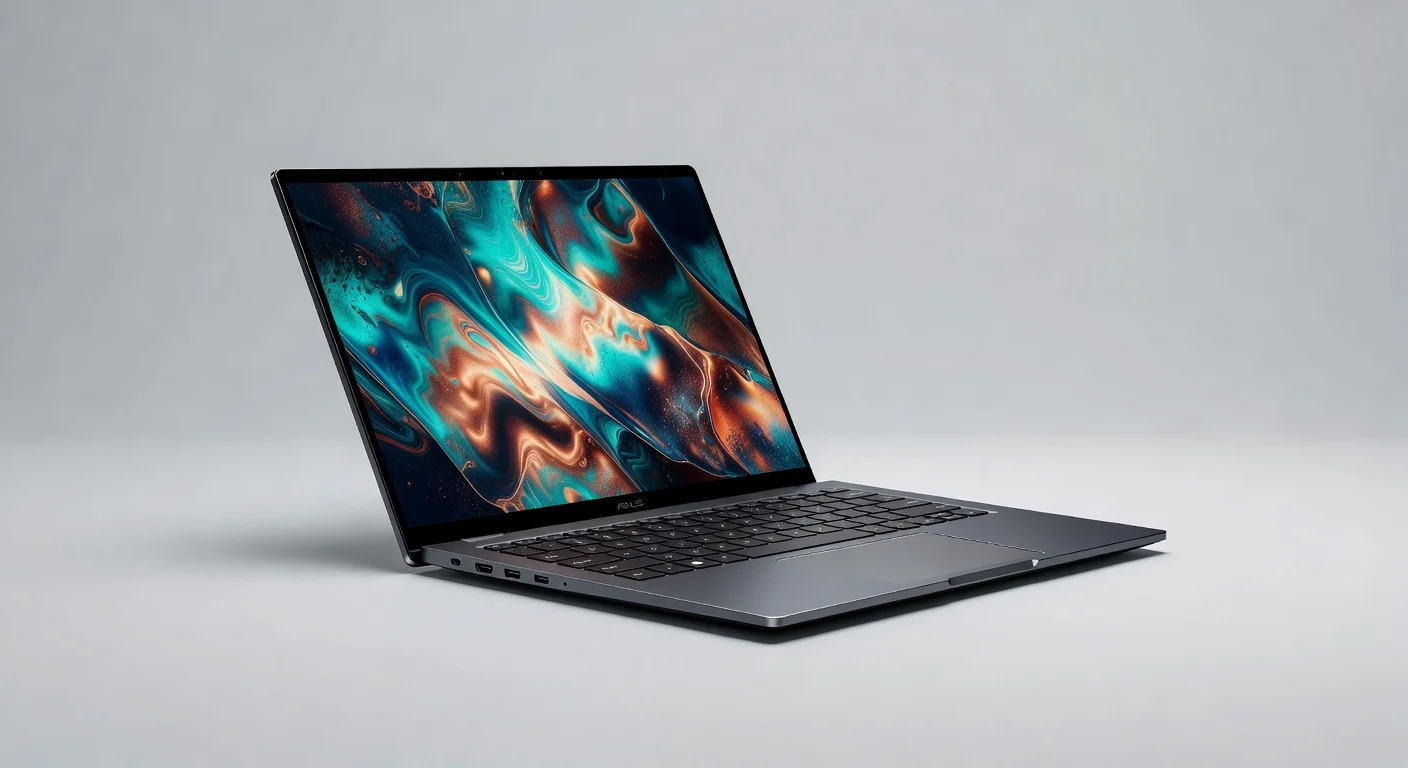
Thermal management is another area where the ZenBook shines, with Asus’ advanced cooling system keeping temperatures in check even during prolonged usage. However, under heavy load, the fans can get noticeably audible, which might distract in quiet environments. Overall, for an ultrabook, the performance-to-weight ratio is exceptional, catering well to professionals and creators who prioritize mobility without sacrificing power.
Features & Software
The Asus ZenBook 14 OLED (2026) stands out with its breathtaking 14-inch OLED display, boasting a 2880×1800 resolution, 120Hz refresh rate, and 100% DCI-P3 color coverage. This screen is a visual treat, offering vibrant colors and deep blacks that make everything from Netflix binges to design work a delight, while the high refresh rate ensures smooth scrolling and animations. Additional features like the AI-powered webcam with noise cancellation and the Harman Kardon-tuned speakers elevate the multimedia and virtual meeting experience.
On the software front, it ships with Windows 11 Pro, preloaded with Asus’ MyASUS utility for system optimization and customization. The software suite allows users to tweak performance modes, monitor battery health, and even link their smartphone for seamless integration. While some might find the pre-installed bloatware minimal, the overall software experience is polished, making the ZenBook a joy to use out of the box.
Value Proposition
Priced in the premium segment, the Asus ZenBook 14 OLED (2026) offers a compelling value proposition for those seeking a high-end ultrabook. At around $1,599 (estimated), it delivers a combination of cutting-edge hardware, a stellar display, and exceptional portability that justifies the cost for professionals, students, and creators who need a reliable, future-proof device.
When compared to other laptops in this price range, the ZenBook holds its own with unique selling points like the OLED panel and long battery life (up to 18 hours under optimal conditions). While some competitors might offer slightly better raw performance, few match the ZenBook’s balance of design, display quality, and endurance, making it a worthy investment for those prioritizing a premium experience over sheer power.
How It Compares
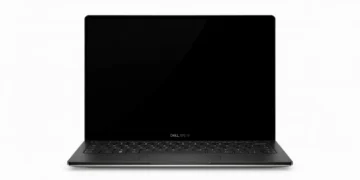
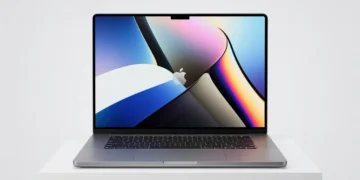
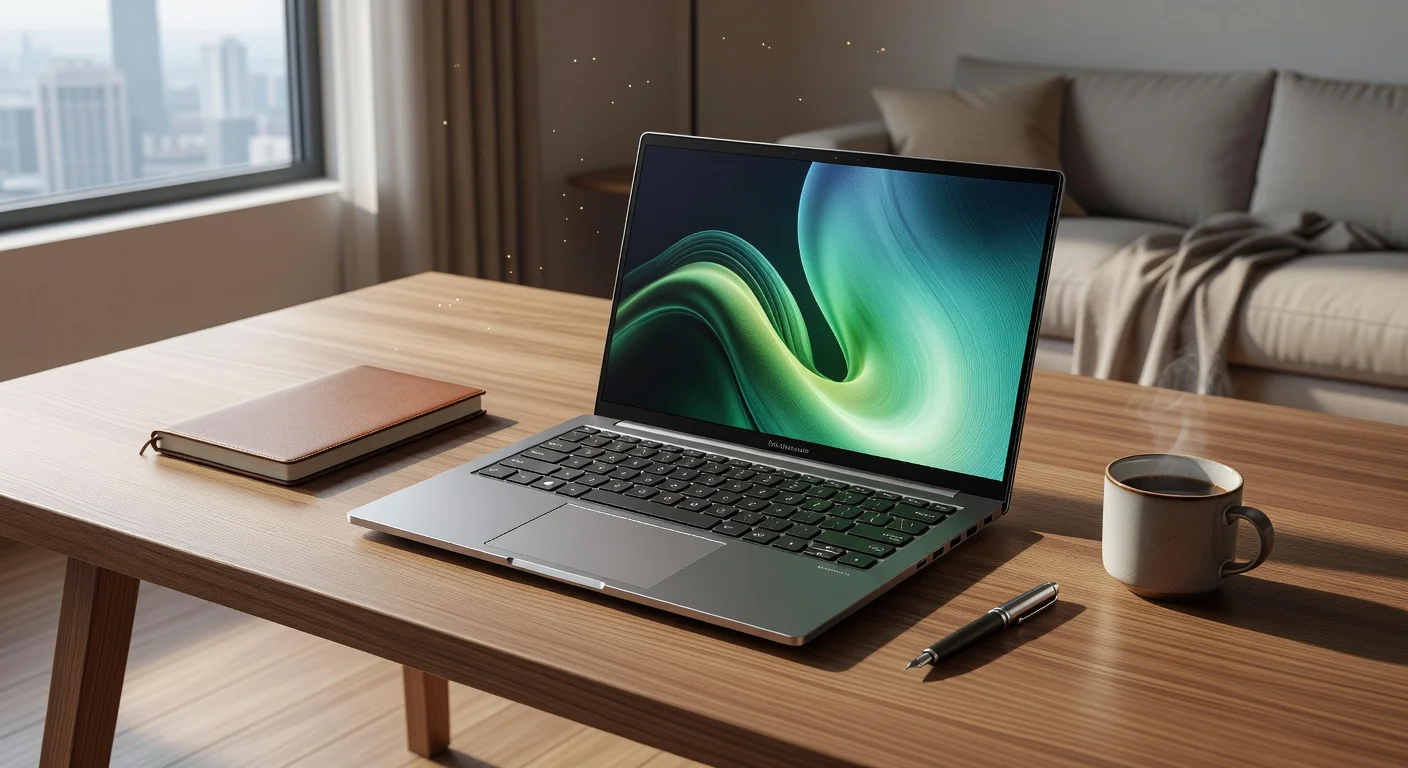
Against the Dell XPS 14 (2026), the Asus ZenBook 14 OLED offers a superior display with its OLED technology compared to Dell’s IPS panel, though the XPS edges out slightly in build rigidity and offers more customization options at checkout. Meanwhile, when pitted against the Apple MacBook Air M3 (2026), the ZenBook provides better value with its lower price point and comparable performance, but it falls short of macOS’ ecosystem integration and optimization for creative professionals. Both competitors are strong, but the ZenBook carves a niche with its vibrant screen and ultraportable design.
Pros and Cons
Pros
- Stunning 14-inch OLED display with 120Hz refresh rate and vivid colors.
- Impressive performance for an ultrabook with Intel Core Ultra 7 and 16GB RAM.
- Lightweight at 1.2 kg, making it highly portable for travel and daily use.
- Long battery life, lasting up to 18 hours under light usage.
- Versatile port selection including Thunderbolt 4 and HDMI 2.1.
Cons
- Fan noise becomes noticeable under heavy workloads, which can be distracting.
- The lightweight chassis, while sleek, feels less durable against rough handling.
- Integrated graphics struggle with high-end gaming or GPU-intensive tasks.
- Premium pricing may not suit budget-conscious buyers.
- Limited upgradeability due to soldered RAM and compact design.
FAQ
Q: Does the Asus ZenBook 14 OLED (2026) support touchscreen functionality?
A: No, the ZenBook 14 OLED does not feature a touchscreen display, focusing instead on high-quality visuals and refresh rate.
Q: Is the RAM upgradeable on the Asus ZenBook 14 OLED (2026)?
A: Unfortunately, the RAM is soldered onto the motherboard, so it cannot be upgraded after purchase.
Q: How does the battery life hold up under heavy usage?
A: While Asus claims up to 18 hours, heavy usage like video editing or gaming reduces it to around 6-8 hours.
Q: Is this laptop suitable for gaming?
A: It can handle light gaming thanks to Intel Arc Graphics, but it’s not ideal for AAA titles or high settings.
Q: Does it come with a stylus or pen support?
A: No, the ZenBook 14 OLED does not support stylus input as it lacks a touchscreen.
Verdict
The Asus ZenBook 14 OLED (2026) is an excellent choice for professionals, students, and creators who value portability, a stunning display, and reliable performance in a premium package. It’s best suited for those who prioritize visual quality and battery life over raw power or gaming capabilities.
Pros
- ✓ Stunning 14-inch OLED display with 120Hz refresh rate and vivid colors.
- ✓ Impressive performance for an ultrabook with Intel Core Ultra 7 and 16GB RAM.
- ✓ Lightweight at 1.2 kg, making it highly portable for travel and daily use.
- ✓ Long battery life, lasting up to 18 hours under light usage.
- ✓ Versatile port selection including Thunderbolt 4 and HDMI 2.1.
Cons
- ✗ Fan noise becomes noticeable under heavy workloads, which can be distracting.
- ✗ The lightweight chassis, while sleek, feels less durable against rough handling.
- ✗ Integrated graphics struggle with high-end gaming or GPU-intensive tasks.
- ✗ Premium pricing may not suit budget-conscious buyers.
- ✗ Limited upgradeability due to soldered RAM and compact design.
Where to Buy the Asus ZenBook 14 OLED (2026)
Prices may vary. Affiliate links — we may earn a commission at no extra cost to you.
Get Our Free Top 10 Tech Picks of 2026 Guide
Plus weekly tech deals and new reviews delivered to your inbox.
[cp_email_signup]
No spam. Unsubscribe anytime.